
Finding a high-performance gaming headset on a strict budget of $35 USD / ₹3,500 INR is one of the trickiest balancing acts in personal audio. Most cheap headsets flood the market with hollow plastic frames, muffled, bass-heavy sound that hides footsteps, and scratchy microphones that sound like a drive-thru intercom. However, intense competition between tier-one peripheral brands and budget audio specialists has made this price bracket more competitive than ever.
Today, you do not need to spend $100 to get crisp directional audio, lightweight all-day comfort, and a noise-canceling boom microphone clear enough for competitive Discord callouts. If you can stretch your budget slightly or catch sales, the Razer BlackShark V2 X remains the undisputed king for competitive tactical shooters. For gamers wanting maximum value under $30 / ₹2,200, the JBL Quantum 100 and EKSA E900 deliver staggering acoustic precision and durability.
I spent months putting these budget gaming headsets through hands-on testing across PC, PlayStation 5, Xbox Series X, and mobile. From tracking silent footsteps in Valorant and Counter-Strike 2 to surviving chaotic firefights in BGMI and Apex Legends, here is our definitive, real-world ranking of the 7 best gaming headphones under $35 / ₹3,500 for 2026 and 2027.
Gaming Headphones Under $35 / ₹3,500
Quick Comparison Table
How We Tested
To give you authentic, practical insights rather than echoing manufacturer spec sheets, we evaluated each gaming headset across four core performance pillars:
- Directional Soundstage & Footstep Tracking: Tested in tactical competitive games (Counter-Strike 2, Valorant, Tom Clancy’s Rainbow Six Siege, and BGMI). We focused on identifying vertical sound cues, pinpointing distant reload clicks, and determining whether boomy grenade explosions muffled approaching enemy footsteps.
- Microphone Voice Clarity & Background Rejection: We logged team matches on Discord, TeamSpeak, and in-game voice chat while testing voice intelligibility against ambient mechanical keyboard clatter, ceiling fans, and room echo.
- Ergonomics & Heat Dissipation: Each headset was worn for continuous 3-to-4 hour gaming sessions to measure headband clamping force, ear cup heat build-up, and top-of-head pressure hotspots.
- Platform Versatility: We connected each headset across a PC gaming desktop (via motherboard 3.5mm and dedicated DAC), PS5 DualSense controller, Xbox Wireless controller, and mobile devices (using standard 3.5mm to USB-C adapters).
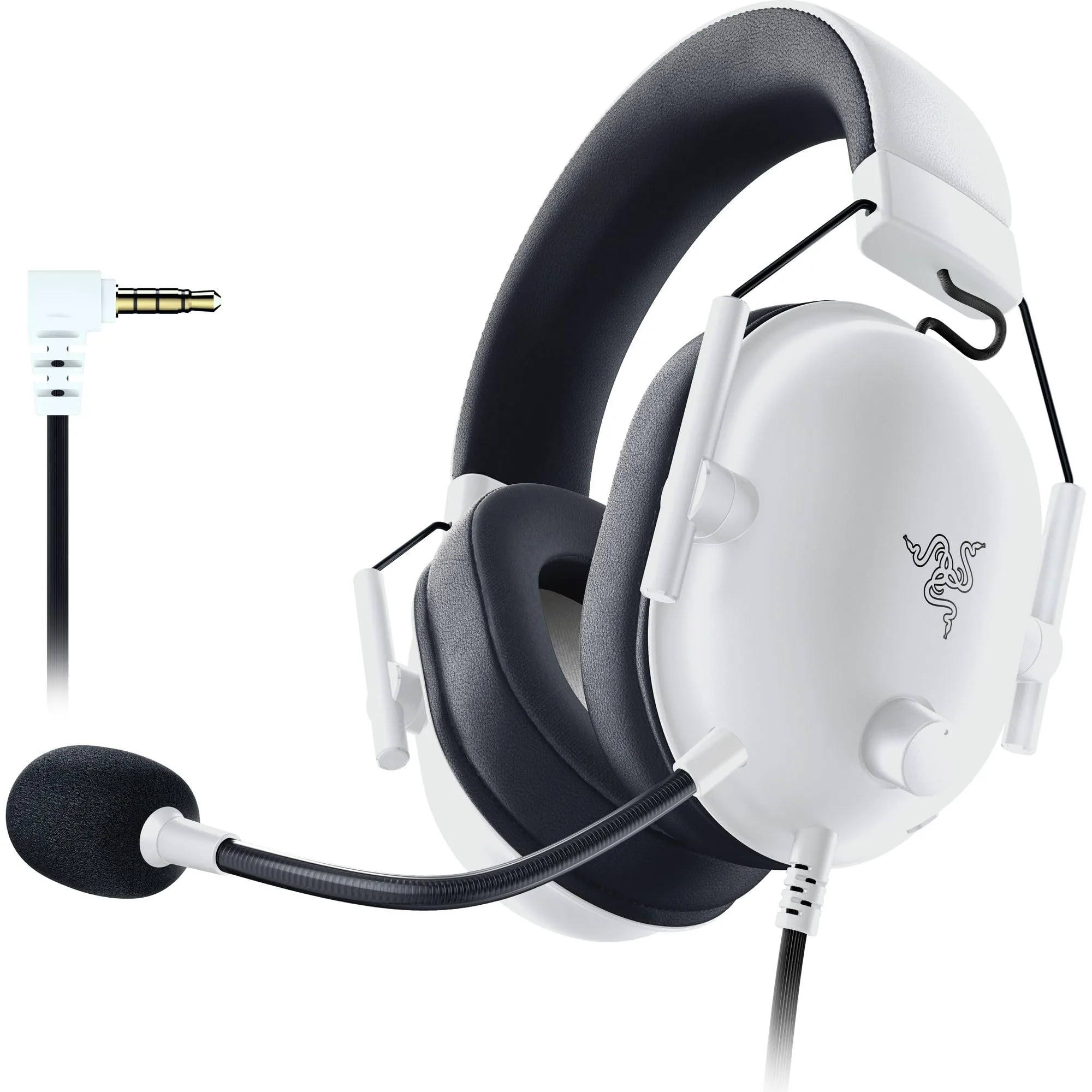
Razer BlackShark V2 X — Best Overall for Competitive FPS (S-Tier)
- Gaming Tier: S-Tier (Class-leading directional audio & footstep accuracy)
- Sound Signature: Bright / Treble-boosted with tight, punchy bass
- Price: ~$35 USD / ~₹3,199 – ₹3,499 INR (Frequently drops to ₹2,999 during sales)
- Driver: 50mm Razer TriForce Dynamic Transducers
- Connectivity: 3.5mm Analog Audio Cable (includes PC extension splitter)
- Weight: 240 grams
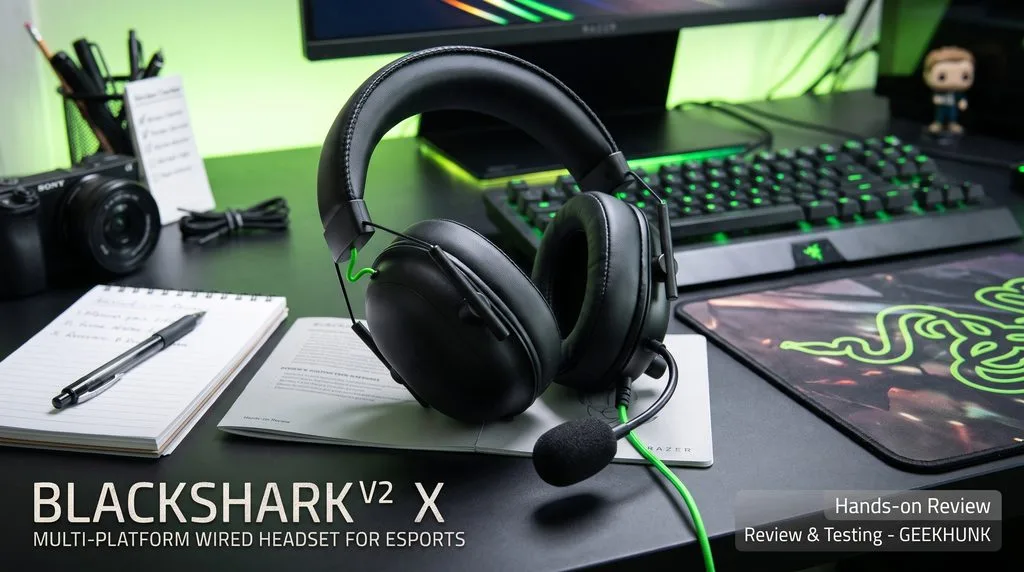
The Razer BlackShark V2 X sits firmly in our S-Tier as the undisputed benchmark for budget esports audio. While high-end tournament headsets cost upwards of $100, Razer stripped away unnecessary luxuries like wireless transmitters and RGB lighting to retain the exact acoustic tuning and featherlight comfort that competitive gamers require.
Sound Performance & Footstep Precision
The heart of the BlackShark V2 X is Razer’s patented 50mm TriForce driver. Unlike conventional budget drivers that tune bass, mids, and treble through a single acoustic chamber, the TriForce design behaves like three individual drivers in one. It physically isolates low, mid, and high frequencies. In tactical shooters like Valorant and CS2, this bright, treble-boosted tuning allows enemy footsteps, reload pins, and ability cues to ring through with pinpoint spatial precision, even amidst heavy gunfire and grenade detonations.
Build Quality, Clamping Force & Comfort
Weighing a mere 240 grams, it is one of the lightest over-ear headsets in this price tier. The earcups are cushioned with thick memory foam wrapped in a hybrid breathable weave and leatherette trim. Clamping pressure is gentle yet secure, ensuring an airtight acoustic seal without causing jaw soreness or temple fatigue for gamers wearing glasses.
Microphone Clarity
The non-detachable Razer HyperClear Cardioid Mic features a tuned pickup pattern that isolates your voice while cutting out side and rear keyboard chatter. It includes a dense foam windscreen out of the box, minimizing harsh breath pops during intense team callouts.
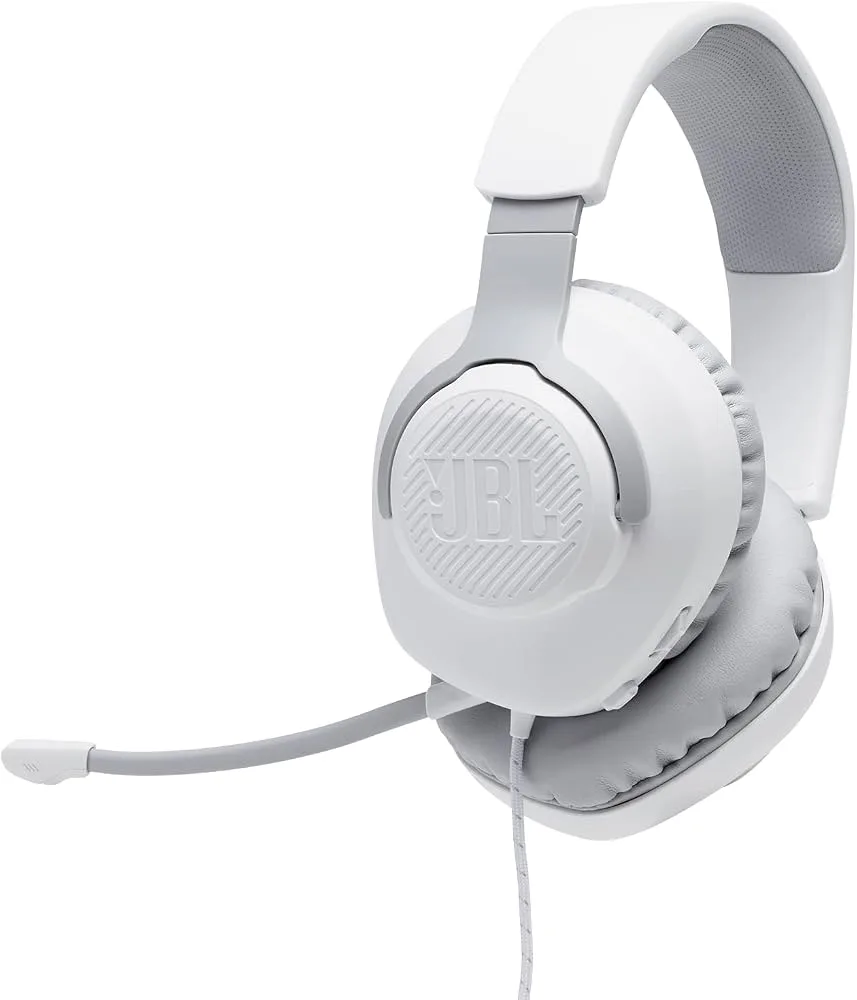
JBL Quantum 100 — Best Budget Value & Balanced Audio (B-Tier)
- Gaming Tier: B-Tier (Good balanced sound, average build & spatial precision)
- Sound Signature: Fairly neutral with clear mids and controlled bass
- Price: ~$29 USD / ~₹1,999 – ₹2,299 INR
- Driver: 40mm JBL QuantumSOUND Dynamic Drivers
- Connectivity: 3.5mm Combined Audio Jack
- Weight: 220 grams
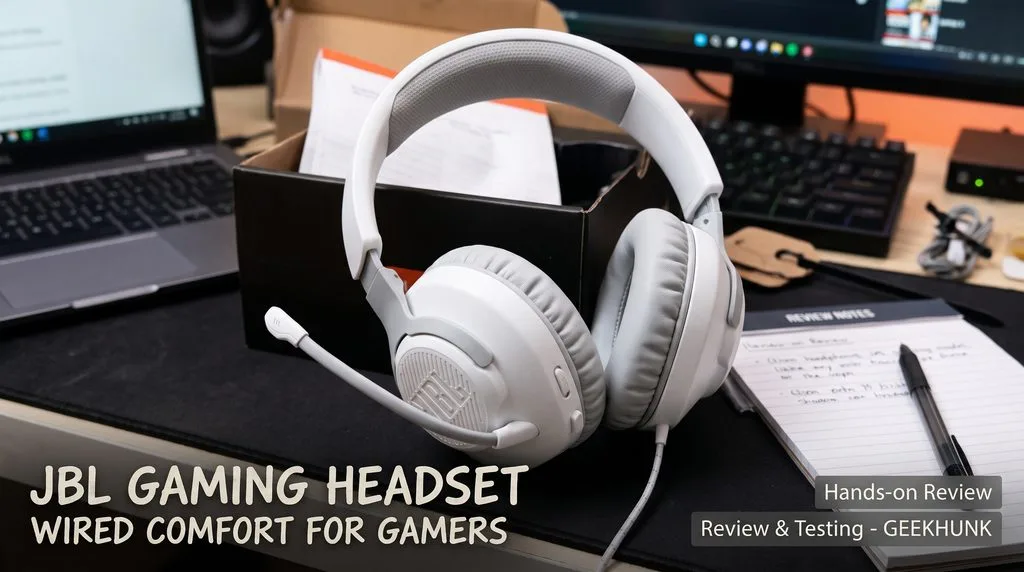
JBL brings decades of professional acoustic engineering into the budget gaming space with the JBL Quantum 100. For gamers on a strict sub-$30 / sub-₹2,200 budget who cannot quite stretch to the Razer BlackShark V2 X, the Quantum 100 earns a solid B-Tier rating for pure audio balance and value.
Sound Performance & Acoustic Tuning
Equipped with 40mm dynamic drivers tuned with JBL’s proprietary QuantumSOUND Signature, this headset avoids the bloated “club bass” typical of cheap consumer headphones. Instead, the sound signature is fairly neutral with clear midrange frequencies and controlled bass response. In games like Apex Legends and BGMI, sound cues—such as a distant shield battery popping or footfalls on metal catwalks—are presented with clean vocal intelligibility. However, it lacks the razor-sharp micro-detail and soundstage width found in S-Tier models.
Design, Weight & Detachable Mic
At just 220 grams, the Quantum 100 is the lightest headset on our entire list. The headband features a soft foam liner, and the earcups swivel flat to rest comfortably on your collarbone during breaks. A standout feature rarely seen at this price point is its fully detachable directional boom microphone. When you finish gaming and want to watch movies or listen to music on your phone, simply unplug the mic to transform it into a discreet pair of lifestyle headphones.
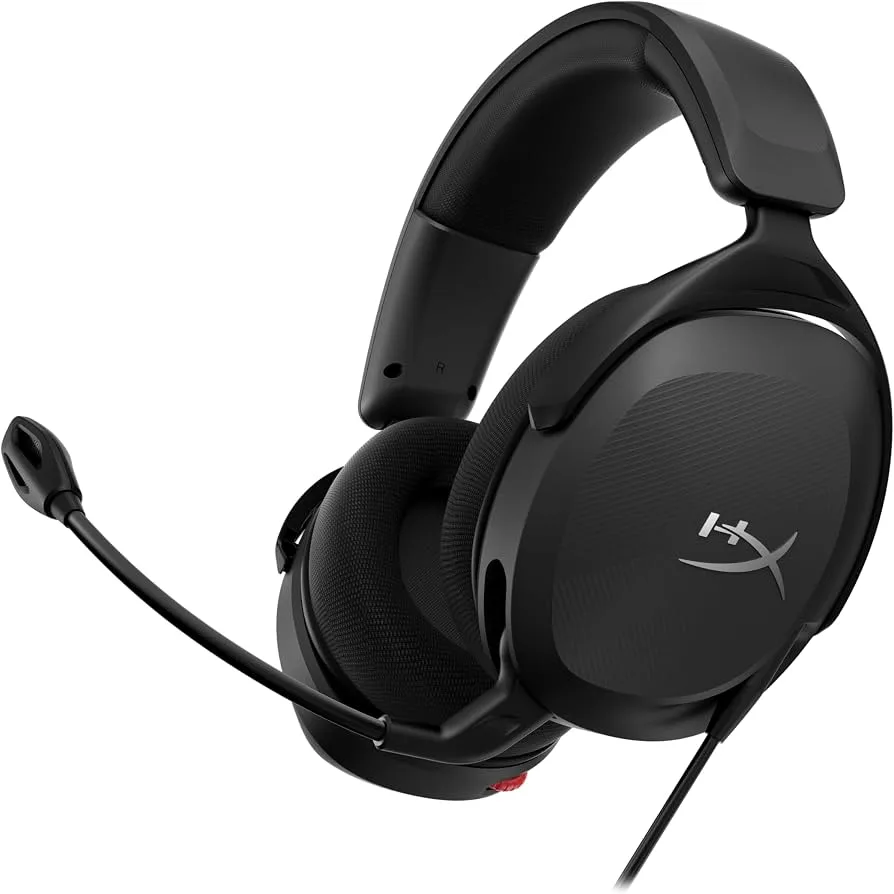
HyperX Cloud Stinger 2 Core — Best Marathon Comfort & Console (B-Tier)
- Gaming Tier: B-Tier (Great comfort & bass impact, standard positional separation)
- Sound Signature: Warm / V-shaped with rich low-end
- Price: ~$30 USD / ~₹2,499 – ₹2,799 INR
- Driver: 40mm Directional Dynamic Drivers
- Connectivity: 3.5mm (includes PC extension Y-cable)
- Weight: 275 grams
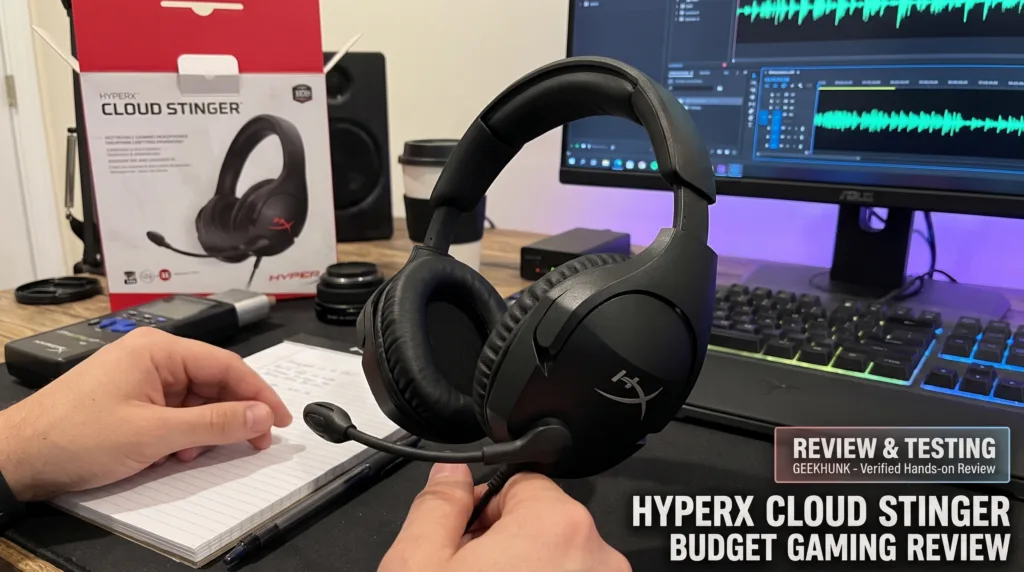
HyperX built its legendary reputation on one single trait: uncompromising comfort. The Cloud Stinger 2 Core represents the refined second generation of their budget staple, earning a dependable B-Tier ranking thanks to its plush ergonomics and smooth swivel mic controls.
Ergonomics & Swivel-to-Mute Utility
If you frequently play long 4-to-6 hour gaming marathons, the Cloud Stinger 2 Core is unmatched in comfort. HyperX utilizes premium soft memory foam lined with breathable athletic mesh fabric rather than sticky plastic leatherette. Furthermore, the microphone features HyperX’s signature swivel-to-mute functionality: flipping the boom vertically mutes your microphone instantly with a reassuring mechanical click, eliminating the need to fumble for inline switches in the dark.
Soundstage & Immersion
The angled 40mm directional drivers channel sound directly into the ear canal. The sound signature is warm and moderately V-shaped, delivering satisfying low-end rumble during campaign cutscenes and explosions in titles like Call of Duty: Warzone and Battlefield. While it excels at cinematic immersion and casual play, its positional separation is standard rather than competitive-grade.
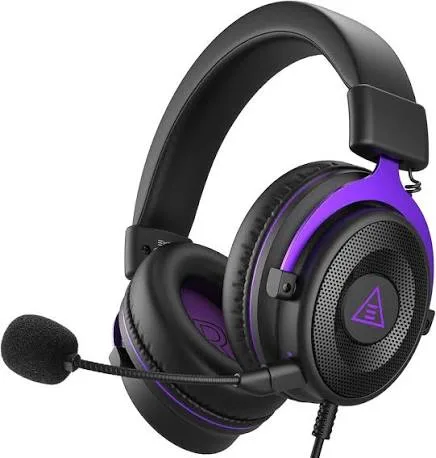
EKSA E900 — Best Rugged Build & Deep Bass (B-Tier)
- Gaming Tier: B-Tier (Fun for casual action, overly boomy for tactical cues)
- Sound Signature: Bass-heavy / Warm with emphasized rumble
- Price: ~$26 USD / ~₹2,199 – ₹2,499 INR
- Driver: 50mm Custom Neodymium Transducers
- Connectivity: 3.5mm Analog (Includes dual 3.5mm PC Y-splitter)
- Weight: 250 grams
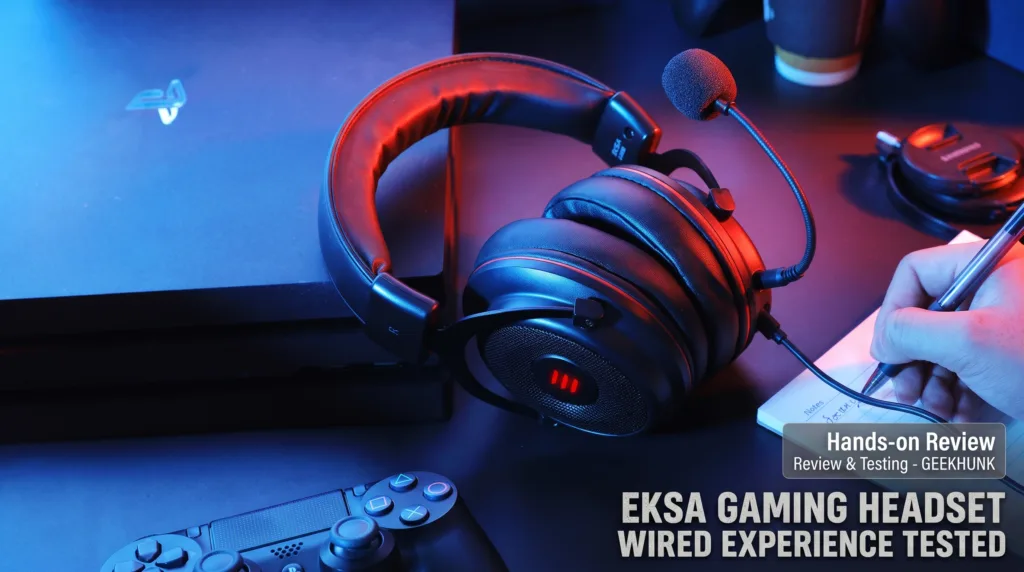
Most gaming headsets under $30 / ₹2,500 rely entirely on brittle plastic construction. The EKSA E900 flips the script by offering an aircraft-grade aluminum metal frame, reinforced steel headband sliders, and oversized memory foam ear cushions that look and feel like a $70 gaming peripheral.
Build Quality & Durability
If you are rough on your gaming gear or share your setup with siblings, the EKSA E900 is engineered like a tank. The thick metal forks can flex and twist without snapping, and the braided audio cable resists snagging under chair wheels.
Audio Tuning & Bass Slam
Fitted with massive 50mm neodymium drivers, the E900 delivers an unapologetically bass-heavy, warm acoustic profile. It produces thunderous low-end rumble that makes action-adventure titles, racing games (Forza Horizon), and single-player RPGs feel explosive and cinematic. However, for tactical shooters, the heavy mid-bass emphasis can mask quiet footsteps during intense gunfights, placing it in our B-Tier for competitive gaming.
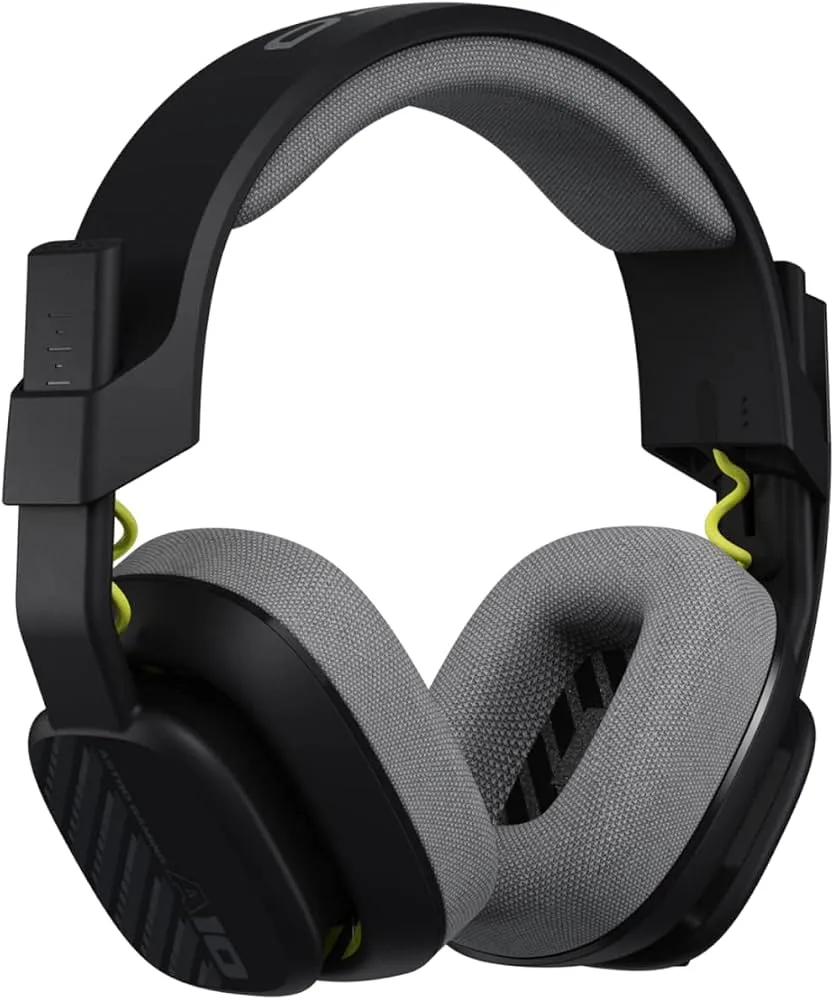
Logitech G Astro A10 (Gen 2) — Extreme Durability & Heavy Use (A-Tier)
- Gaming Tier: A-Tier (Reliable spatial imaging & unmatched durability)
- Sound Signature: Crisp, mid-forward and punchy
- Price: ~$35 USD / ~₹3,199 – ₹3,499 INR (Regularly discounted on Amazon)
- Driver: 32mm Neodymium Dynamic Transducers
- Connectivity: Detachable 3.5mm Audio Cable with inline volume wheel
- Weight: 246 grams
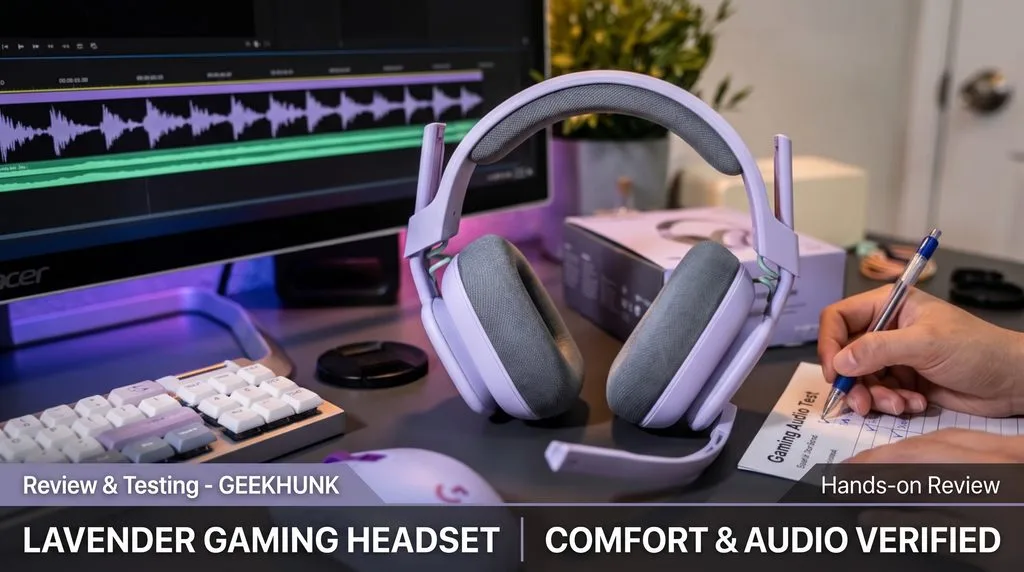
Astro Gaming has long been the headset of choice for tournament console competitors, and the Logitech G Astro A10 Gen 2 refines their most resilient budget chassis to earn a strong A-Tier rating. Designed specifically for console players on PlayStation 5, Xbox Series X, and Nintendo Switch, this headset is built to withstand extreme punishment.
The Indestructible Headband & Detachable Cable
The standout feature of the Astro A10 Gen 2 is its virtually unbreakable steel headband wrapped in damage-resistant rubberized polycarbonate. You can twist, drop, or bend this headset completely flat, and it will snap right back into shape. Even better: the 3.5mm audio cable is 100% detachable. If your pet chews the wire or a plug gets bent, you can replace the cable for a few dollars instead of throwing away the entire headset.
Sound Profile & Flip-to-Mute Mic
Astro tuned the custom 32mm neodymium drivers for a crisp, mid-forward sound signature. By dialing back boomy sub-bass, tactical dialogue and directional audio cues remain clean and distinct. It pairs seamlessly with Sony’s Tempest 3D Audio on PS5 and Windows Sonic / Dolby Atmos on Xbox and PC. The omnidirectional boom mic flips up to mute and conveys team communications with crisp broadcast clarity.
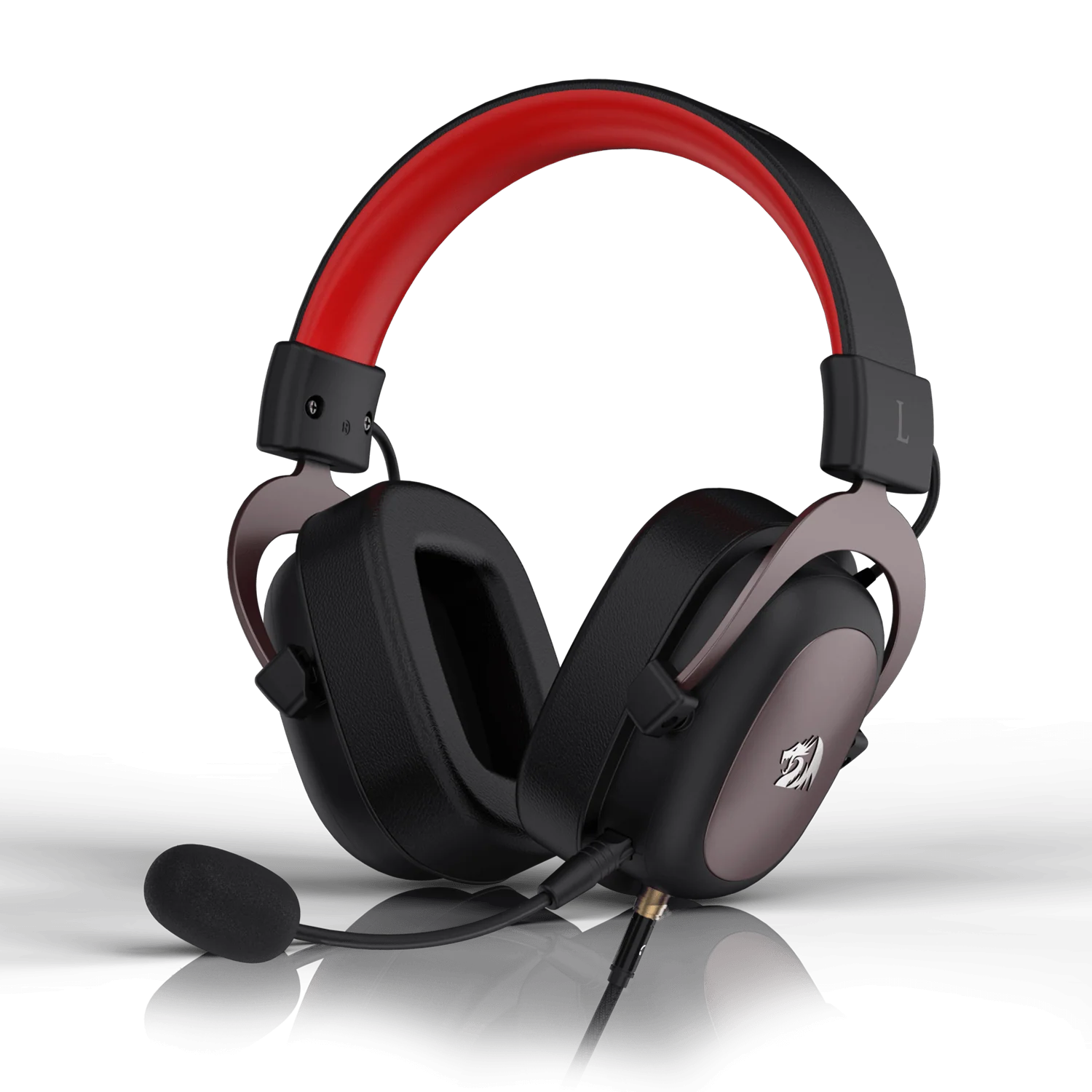
Redragon H510 Zeus — 7.1 Virtual Surround & Multi-Cable (A-Tier)
- Gaming Tier: A-Tier (Versatile modular sound & wide soundstage)
- Sound Signature: Warm, full-bodied with customizable EQ via USB
- Price: ~$28 USD / ~₹2,299 – ₹2,599 INR
- Driver: 53mm Large Dynamic Transducers
- Connectivity: Modular 3.5mm Cable + USB Sound Card Cable included
- Weight: 280 grams
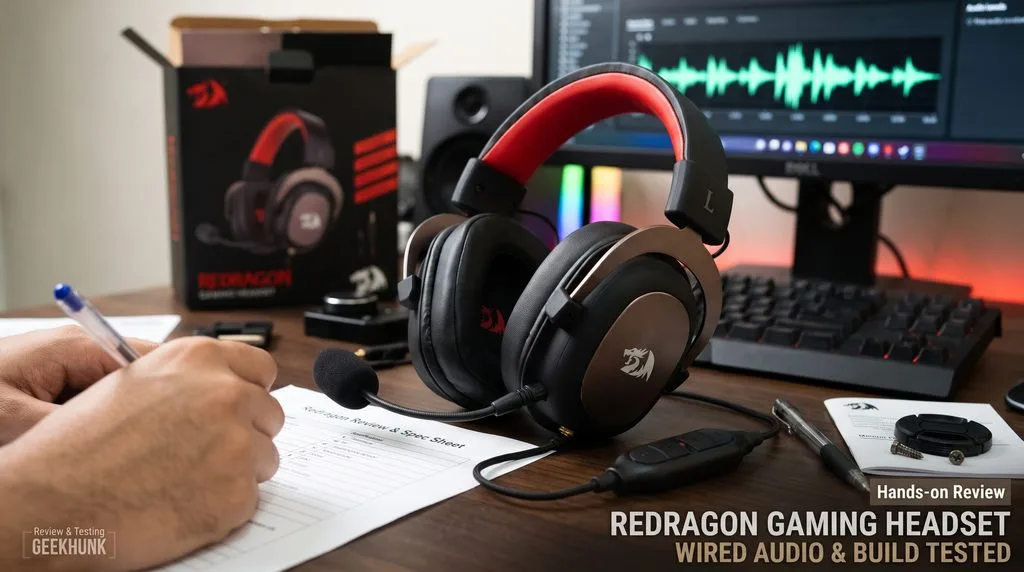
Redragon is renowned for cramming enthusiast-tier specifications into entry-level price brackets, and the Redragon H510 Zeus earns an A-Tier spot for its expansive soundstage and versatile modular connectivity. Drawing strong design inspiration from studio monitors, it combines massive drivers with a dedicated USB control box.
53mm Drivers & Modular Connectivity
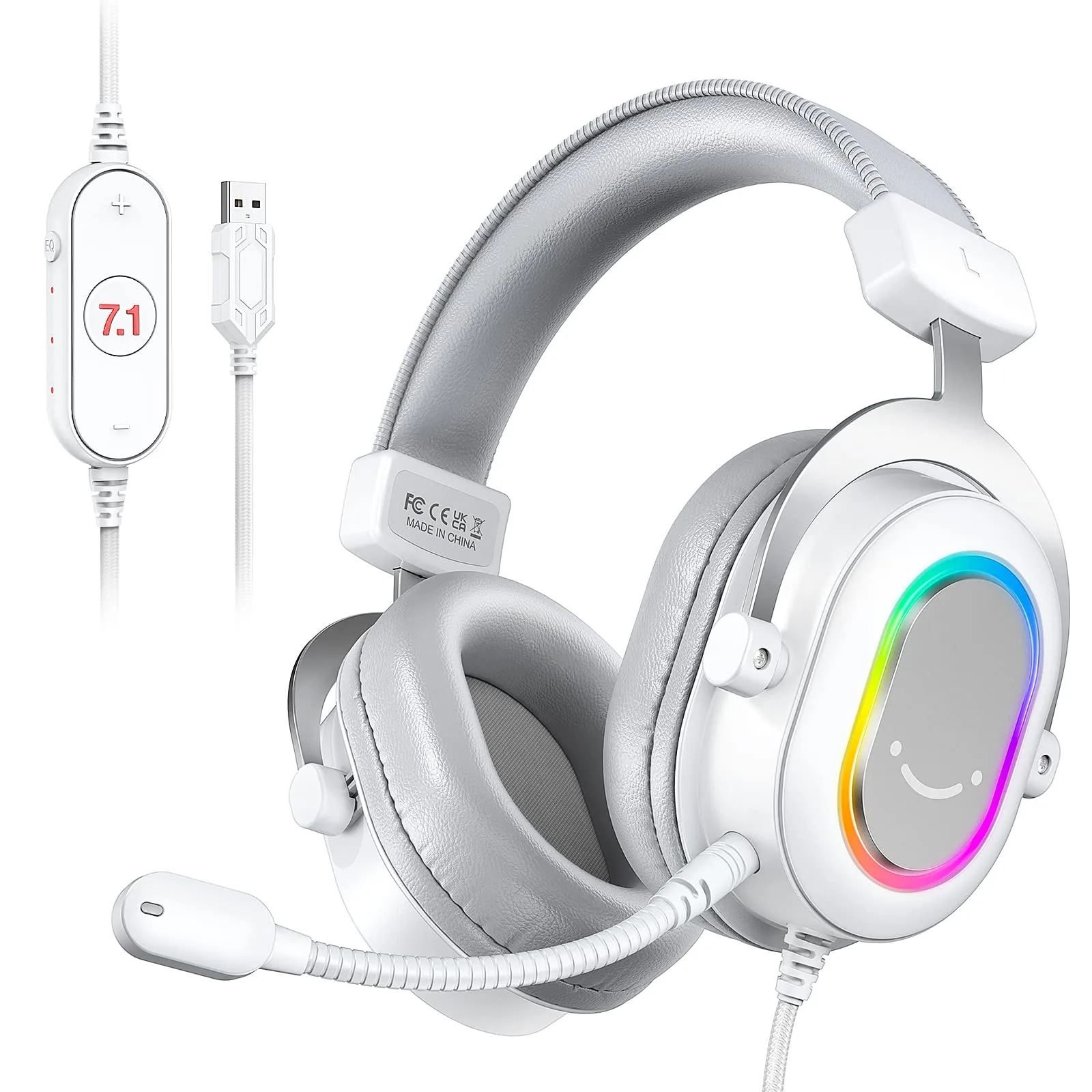
Underneath the leatherette cushions sit massive 53mm drivers—the largest in this roundup. The H510 Zeus delivers expansive spatial breadth and warm, full-bodied acoustic depth. What makes it uniquely versatile is its dual modular cable setup: you get a standard 3.5mm analog cable for mobile and console controllers, plus a dedicated USB control box with an onboard 7.1 virtual surround sound card, EQ adjustments, and hardware volume/mute toggles for PC.
Microphone & Isolation
The detachable cardioid microphone features a heavy metal gooseneck and integrated noise-reduction circuitry. The thick, plush over-ear pads provide substantial passive acoustic isolation, effectively sealing your ears against ambient distractions.
FIFINE AmpliGame H6 — Discord Chat & Budget Streaming (B-Tier)
- Gaming Tier: B-Tier (Decent in-game separation, carried by superior mic clarity)
- Sound Signature: Balanced / Vocal-centric with clean highs
- Price: ~$32 USD / ~₹2,899 – ₹3,299 INR
- Driver: 50mm Dynamic Transducers
- Connectivity: Wired USB-A (Integrated 24-bit In-line DAC)
- Weight: 330 grams
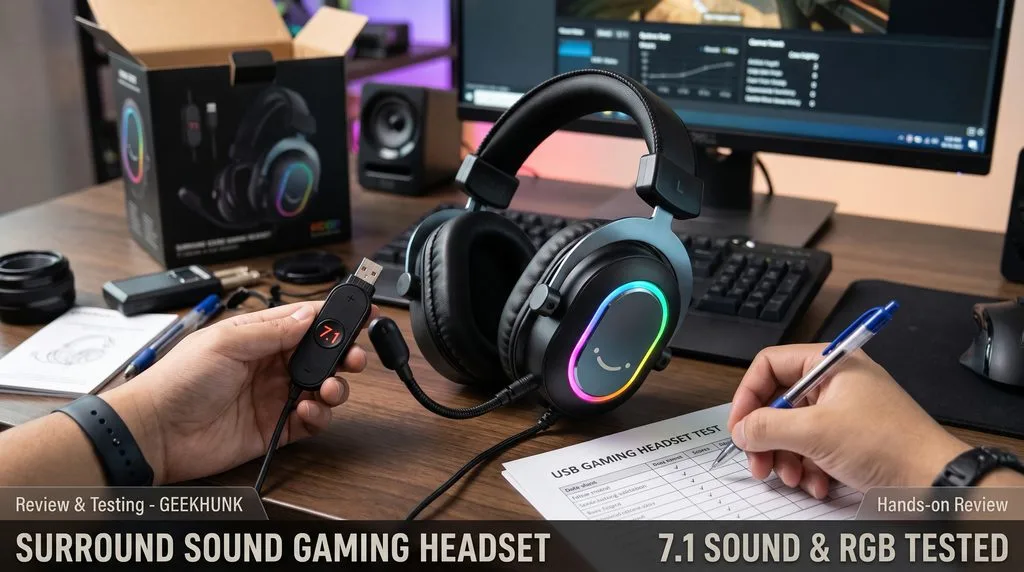
While most budget gaming brands treat the microphone as an afterthought, FIFINE is a dedicated microphone manufacturer. With the FIFINE AmpliGame H6, they engineered a USB gaming headset that earns a B-Tier gaming ranking—carried by the absolute best microphone in this entire price class.
The Ultimate Budget Discord & Streaming Mic
The detachable condenser microphone on the AmpliGame H6 outperforms every other microphone in the sub-$35 / sub-₹3,500 segment. Your voice sounds rich, full, and articulate with virtually zero nasal compression or metallic distortion. If you spend hours on Discord calls, stream on Twitch, or record voiceovers for YouTube, this headset delivers studio-level vocal clarity.
Integrated 24-bit DAC & Hardware EQ Modes
The H6 connects via a heavy-duty braided USB cable fitted with an inline control module containing a 24-bit DAC. The module features a dedicated EQ button that allows you to toggle on-the-fly between three tailored acoustic profiles:
- Gaming Mode: Accentuates upper-treble frequencies for footstep detection and spatial tracking.
- Movie Mode: Widens the virtual soundstage and boosts atmospheric dialogue.
- Music Mode: Delivers a balanced, musical curve with rich instrumental separation.
Headphones vs IEMs: Should You Switch to In-Ear Monitors?
If you play competitive tactical shooters (Valorant, CS2, Apex Legends, BGMI), there is a massive shift happening across the gaming community: esports professionals and mobile gamers are ditching heavy gaming headphones for budget In-Ear Monitors (IEMs).
Before buying an over-ear gaming headset under $35 / ₹3,500, ask yourself what matters most to your setup:
Traditional Headset
Audiophile Gaming IEM
In the sub-$35 / sub-₹3,500 price category, budget headsets spend a substantial portion of their manufacturing cost on headbands, swivel hinges, boom microphones, and packaging. In contrast, Chi-Fi IEMs like the 7Hz x Crinacle Zero:2, Tangzu Wan’er S.G, and KZ Castor channel 100% of their bill-of-materials directly into micro-acoustic dynamic drivers and acoustic chambers.
Explore Our In-Depth IEM Guides
If you want zero ear fatigue and tournament-grade footstep precision, read our tested rankings:
Final Verdict: Which One Should You Buy?
Testing budget audio gear is always about managing compromises. Under $35 / ₹3,500, no headset is going to deliver audiophile studio perfection. Every model in this price range cuts a corner somewhere—whether that is an all-plastic frame, a non-detachable cable, or a microphone that sounds slightly thin without equalization.
However, after spending months cycling through these seven headsets across my PC, PlayStation, and Xbox setups, the practical differences in daily gaming use became crystal clear.
| Metric | BlackShark V2 X | Astro A10 | Quantum 100 | Stinger 2 | EKSA E900 | H510 Zeus | AmpliGame H6 |
|---|---|---|---|---|---|---|---|
| Footstep Accuracy | 9.4 / 10 | 8.8 / 10 | 8.5 / 10 | 7.8 / 10 | 7.0 / 10 | 8.2 / 10 | 7.6 / 10 |
| Mic Voice Clarity | 8.8 / 10 | 8.5 / 10 | 8.4 / 10 | 8.2 / 10 | 8.0 / 10 | 8.1 / 10 | 9.5 / 10 |
| Long-Session Comfort | 9.0 / 10 | 7.5 / 10 | 8.8 / 10 | 9.2 / 10 | 7.8 / 10 | 7.5 / 10 | 7.0 / 10 |
| Build Durability | 8.0 / 10 | 9.8 / 10 | 6.8 / 10 | 7.5 / 10 | 9.2 / 10 | 8.5 / 10 | 8.0 / 10 |
| Value for Money | 9.5 / 10 | 8.7 / 10 | 9.2 / 10 | 8.6 / 10 | 8.9 / 10 | 8.8 / 10 | 8.8 / 10 |
| Overall Score | 8.9 / 10 | 8.6 / 10 | 8.3 / 10 | 8.2 / 10 | 8.1 / 10 | 8.2 / 10 | 8.1 / 10 |
Razer BlackShark V2 X
If I had to spend my own money on just one headset under $35 / ₹3,500 today, I would buy the Razer BlackShark V2 X. The biggest reason comes down to acoustic frequency separation. Most budget headsets drown your ears in boomy mid-bass that completely masks enemy footsteps in Valorant or CS2. Razer’s TriForce driver tuning keeps low-end explosions separate from upper-mid and treble cues, delivering directional imaging that normally requires spending over $70. At 240 grams, it also has the gentlest clamping pressure on the temples and jaw.
- Competitive FPS players who rely on subtle directional footstep cues
- Gamers wearing glasses who suffer from temple clamp headaches
- Anyone wanting a clean, directional boom microphone for Discord callouts
- Gamers rough on wires (fixed cord; get the Logitech Astro A10 Gen 2 instead)
- Listeners wanting heavy vibrating sub-bass (the EKSA E900 delivers more rumble)
- Hot room gamers prone to ear sweat (look at the HyperX Stinger 2 Core or 7Hz Zero:2)
💬 What headset are you currently rocking in your gaming setup, and which one are you leaning toward? Drop a comment below—I read and personally reply to all your audio questions!
Frequently Asked Questions
Clear answers to common questions about performance, pairing, and value.