


In the world of Audio equipment, in-ear monitors (IEMs) are the go-to choice for audiophiles and music lovers seeking superior sound quality, comfort, and noise isolation. If you’re looking for the Best IEMs under ₹3,000 ($35), you’re in the right place! Whether you’re new to IEMs or already an audiophile, it’s essential to understand what sets IEMs apart from regular earphones and why they provide an exceptional listening experience. In this article, we’ll explain what IEMs are, how they differ from traditional earphones, and highlight the best options available under ₹3,000 ($35).
Best IEMs Under $35 / ₹3000
When searching for the best IEMs under ₹3,000 ($35), several options offer exceptional sound quality without breaking the bank. Here are some top picks:
Why Wired IEMs Beat Wireless TWS Earbuds Under ₹3,000 ($35)
If you’re currently shopping between popular wireless earbuds (boAt, Noise, Realme) and in-ear monitors under ₹3,000 ($35), the difference in sound quality is night and day. Wireless earbuds in this budget compress Bluetooth audio, produce muddy bass, and rely on tiny lithium batteries that degrade and die in 12–18 months.
Wired IEMs deliver lossless, uncompressed audio through dedicated 10mm dynamic drivers, offer zero audio latency for gaming (essential for tracking footsteps in BGMI, PUBG, and Valorant), and feature detachable, replaceable cables that can last 4–5+ years.
The Quick Answer
- The Best Overall Value: Tangzu Wan’er S.G
- The Best on an Extreme Budget: KZ EDC Pro
- The Best for Warm Bass & Fun Tuning: 7Hz x Crinacle Zero:2
- The Best for Deep Bass & Custom Tuning: KZ Castor Pro
- The Best for Smartphone Convenience (USB-C & Mic): Moondrop Chu II DSP
- The Best for Balanced & Neutral Listening: 7Hz Salnotes Zero
- The Best for Competitive Positional Audio (Gaming): Rose Technics Aurora Ultra
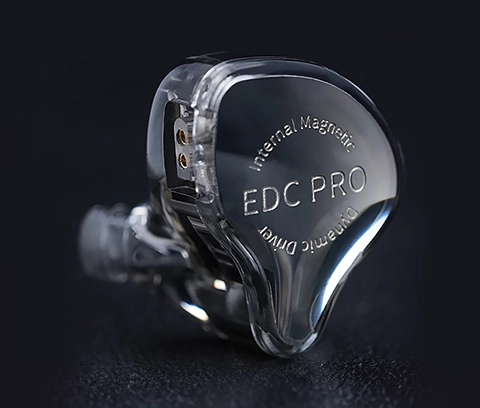
KZ EDC Pro: The Budget-Friendly Option
Let’s start with the KZ EDC Pro. This is one of my top recommendations for anyone on a tight budget. It’s a really nice-sounding IEM compared to its counterparts. It’s really smooth. Box presentation-wise, it’s nothing special, KZ isn’t known for their fancy packages, but that’s all right – we’re focusing on value IEMs here. These IEMs look big, but they’re actually really lightweight, mainly because the plastic is thin, and there’s a lot of space inside. The cable is fine for the price, nothing remarkable.

Sound-wise, these are one of the smoother KZs you can get. They still sound somewhat U or V-shaped, with tons of sub-bass, a bit too much for my liking, but again, nothing bad. I’m treble-sensitive, and I don’t like KZ’s spiky design, so that’s why the ZSN series is out of the question for me. The same goes for the EDX. Even though they’re named similarly, EDC and EDX sound vastly different – don’t make that mistake.
That’s why I recommend the EDC Pro. The EDX Pro isn’t bad for those who like that sharp, energetic signature, but since I’m giving my opinion, the EDC Pro is my recommendation. It’s excellent for the price.
Strengths:
- Smooth sound with a U/V-shaped signature
- Great sub-bass response for budget range
- Lightweight and comfortable for long sessions
- Excellent entry-level choice for beginners
Limitations:
- Plastic build feels basic
- Cable quality is average
- Slightly too much sub-bass for some listeners
🔍 Related Guides: Read our full in-depth KZ EDC Pro Review or compare it against its sibling in KZ EDX Pro X vs KZ EDC Pro.
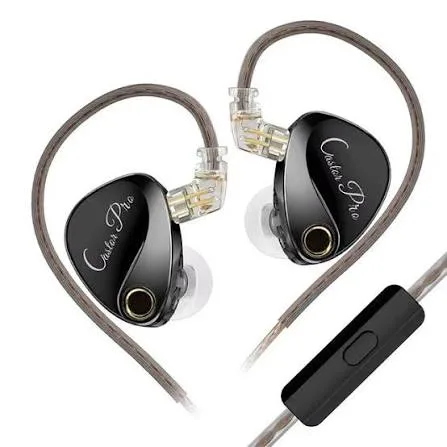
KZ Castor Pro: An Affordable Upgrade
Next, let’s move up to the KZ Castor Pro. We’ve already tried the original KZ Castor, and I liked it. The Pro version brings a few changes, but most people say the overall sound is pretty similar, so I wouldn’t really call it an upgrade. I agree with that. Still, it’s a nice, affordable IEM, and if you’re buying one for the first time, you might as well go for the Pro version.

It still has those switches on the back that we saw with the older Castor – the first two are for sub-bass and bass, the next two are mid and top-end. These have way more mid-range than any other IEM I’ve seen, especially at this price. Extremely energetic, tons of bass and top-end, so yeah, you’ll have a fun experience with these. These are nice for gaming as well.
For the tuning switches, I recommend the D setting for bass-heavy music and DD UD for gaming. These are my personal favorites, but feel free to experiment with different combinations to find what works best for you.
And if you’re confused about which KZ model to choose, check out our detailed comparison of the KZ EDX Pro vs. KZ EDX Pro X.
Strengths:
- Offers more mid-range compared to other IEMs in this price
- Excellent for gaming with clear top-end
- Customizable sound signature with bass and treble switches
Limitations:
- Sound may be too energetic for some listeners
- Not a drastic upgrade over the original Castor
- May not suit those who prefer a more neutral sound profile
🥊 Direct Head-to-Head: Torn between bass and vocal clarity? Check out our comparison of KZ Castor Pro vs Tangzu Wan’er SG.
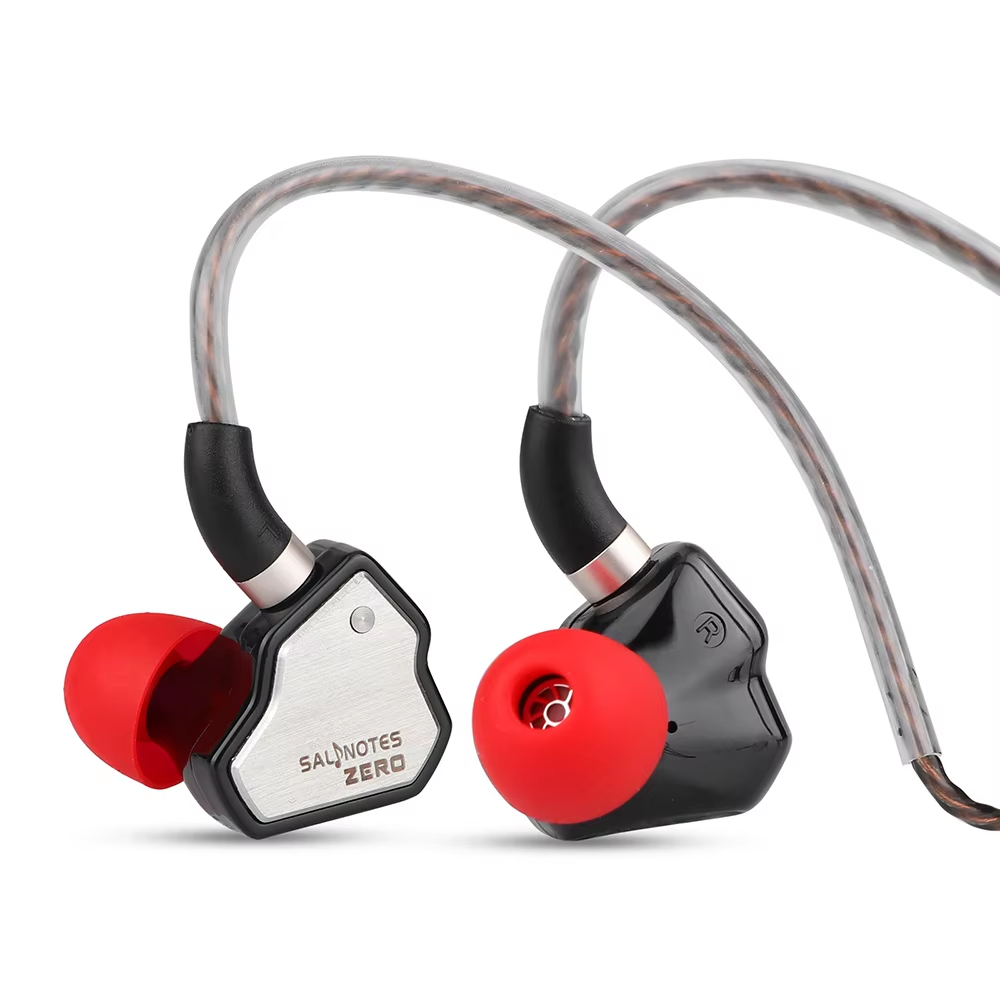
7Hz Salnotes Zero: Smooth and Refined
The 7Hz Salnotes Zero is a clean, neutral-leaning favorite. Compared to the bassier Zero:2, the original Zero offers leaner low-end and slightly more prominent upper-treble clarity, giving it a more analytical sound.

These have absolutely no harshness or sibilance. It’s a great sound representation, which I describe as comfortable. Similar to the EDC Pro, nothing will jump out and surprise you with spikes. It’s a very predictable experience. I like that, and yeah, they do sound better than the EDC Pro because they are priced higher and are tuned better.
Strengths:
- No harshness or sibilance
- Balanced, smooth, and refined sound
- Better top-end than similar budget IEMs
Limitations:
- Lack of bass punch may not satisfy bass-heads
- Not as energetic as other IEMs in this price range
- Might be considered too neutral for some listeners
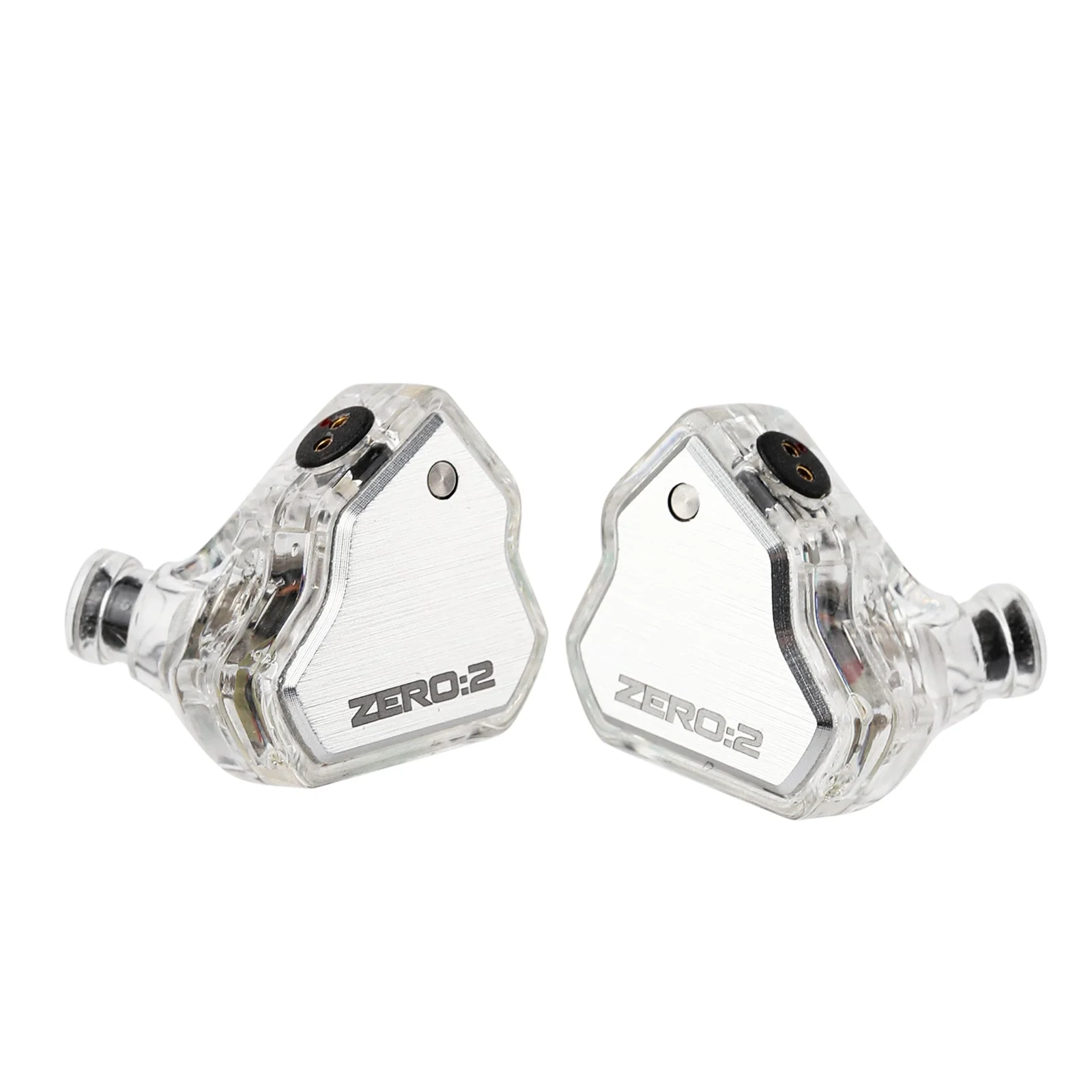
7Hz x Crinacle Zero:2: The King of Warm & Fun Bass
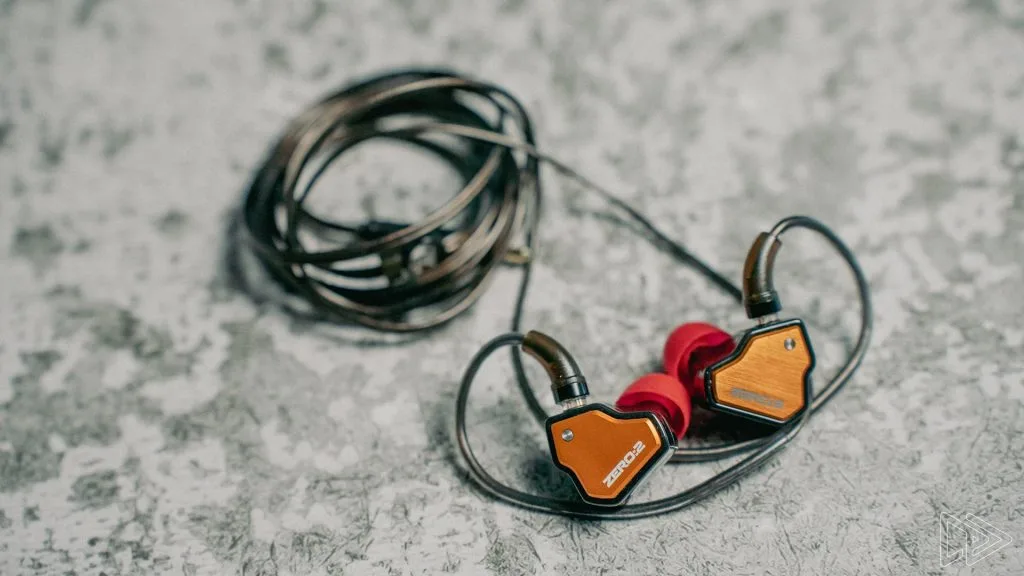
If you loved the original 7Hz Salnotes Zero’s clean build and comfortable shell but felt its sound was a bit too lean or lacking sub-bass impact, the 7Hz x Crinacle Zero:2 is the exact upgrade you’ve been waiting for. Co-tuned with famed audio reviewer Crinacle, this version retains the clear midrange and instrument separation of the original while adding a rich, impactful 10mm dynamic driver bass boost that completely transforms hip-hop, EDM, and modern pop tracks.
The polycarbonate shell sits perfectly flush in the ear canal, and 7Hz upgraded the stock cable to a noticeably softer, flexible braided wire that eliminates microphonics. For listeners who want musical warmth and deep bass without harsh, spiky highs, the Zero:2 is one of the absolute best all-rounders under ₹2,500.
Strengths:
- Rich, satisfying sub-bass rumble without bleeding into the vocal midrange
- Smooth, relaxed treble response that eliminates ear fatigue during marathon sessions
- Ergonomic, lightweight shell with excellent noise isolation
- Upgraded soft braided cable that resists tangling
Limitations:
- Slightly more intimate soundstage compared to the ultra-wide original Zero
- Angular outer shell corners might feel noticeable in very small ears
⚖️ Type-C vs 3.5mm: Wondering whether to get the Type-C Chu 2 DSP or 7Hz Zero 2? Read our comparison: Moondrop Chu II DSP vs 7Hz Zero 2.
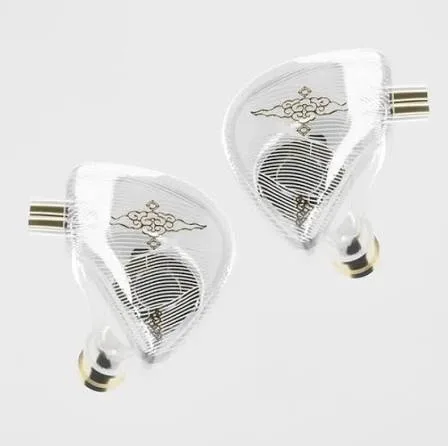
Tangzu Wan’er S.G: Stylish and Relaxing
The Tangzu Wan’er S.G is one of the most engaging budget IEMs on the market. Unlike the flatter Studio Edition, this standard SG version delivers a warmer bass response and full-bodied vocal presentation.
Tangzu provides impressive packaging in this price bracket. The box includes detailed artistic presentation and a cleaning cloth, which is rare for entry-level IEMs.

This IEM comes in several colorways and variations, including collaboration editions, so you might come across quite a few different versions. If the underlying model and tuning are the same, the sound should be broadly similar, although I wouldn’t assume every edition is identical without checking its specifications.
The cable also feels like a strong offering for this price point, at least compared with many budget IEM cables I’ve come across.
Sound-wise, these are similar to the Salnote Zero but with better vocals, and I actually prefer this one a little bit more. They have powerful sub-bass, good mid-bass, and a very relaxed treble. Again, similar to the Salnote Zero – easy to listen to. The Zero, compared to this, has better upper mid-range presence so that the vocals might be a bit forward there, but this one is a little bit laid-back to me.
This is a great passive listening IEM. You know, if you want something in your ears when you’re working or traveling, you don’t like something to distract you, but you want a good, pleasurable experience. This is an excellent option for that.
Strengths:
- Stylish design with high-quality unboxing experience
- Powerful sub-bass with a relaxed treble
- Comfortable for long passive listening sessions
- Good mid-bass with rich vocals
Limitations:
- May feel laid-back for listeners who prefer more aggressive highs
- Limited color scheme variations
- Lacks some upper mid-range presence compared to others
Rose Technics Aurora Ultra: Perfect for Gaming
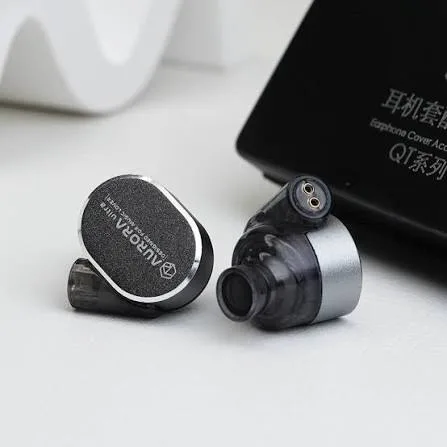
While the KZ Castor offers crisp upper-treble for gaming, some listeners find it fatiguing over time. The Rose Technics Aurora Ultra presents a compelling gaming alternative by highlighting directional cues without piercing treble peaks.

The Aurora Ultra packaging stands out due to its substantial weight, which primarily comes from the oversized hard-shell carrying case. While protective, the case is relatively bulky and best kept in a bag rather than a pocket.
The included wide-bore ear tips come individually packaged. The earpieces themselves are exceptionally small and ergonomic, offering a secure and unobtrusive fit that helps prevent ear canal fatigue during long listening or gaming sessions.
What makes the Aurora Ultra interesting is its unique treble implementation. This interesting spike accentuates certain sounds like drum cymbals or chimes without being sharp. At my usual listening volume of around 40%, this did not give me any sharpness, but the soundstage was excellent. If you are specifically looking for pinpoint positional audio and competitive performance, make sure to check out our detailed guide on the Best IEM for Gaming. When you’re purchasing these, there’s an option to buy an additional DAC from Rose Elsa if you wish. Otherwise, you can leave it out and pair it with your own DAC. Based on my testing, the Audio Killer D07 performs better than the Rose Elsa DAC, so I suggest you get that instead.
Price & Value Note: In India, this model is typically priced at ~₹2,490, fitting well within budget. On Amazon US, it can fluctuate between $35 and $39. When found around $35, its clean directional imaging and compact fit make it a strong value pick.
Gaming Audio & Directional Performance (BGMI & Valorant Tested)
The Aurora Ultra is tuned with a noticeable focus on competitive gaming audio. Its accented upper-treble frequency brings forward quiet in-game cues such as footsteps, shell reloads, and distant gunshots. Paired with its lightweight, compact shells, it offers comfortable wear during extended gaming sessions without heavy clamping pressure.
Strengths:
- Exceptional comfort and small form factor
- Unique treble spike for accentuating cymbals and chimes
- Excellent soundstage with no harshness in the treble
- Great for gaming with a balanced sound profile
Limitations:
- Carrying case is bulky and impractical for portability
- Not the best for those who prefer a flat, neutral signature
- The DAC option is not necessary for all users
🎯 Gamer’s Guide: Looking for higher-tier competitive gaming IEMs? Check out our tested picks in Best IEM for Gaming (2026): 7 Tested & Ranked.
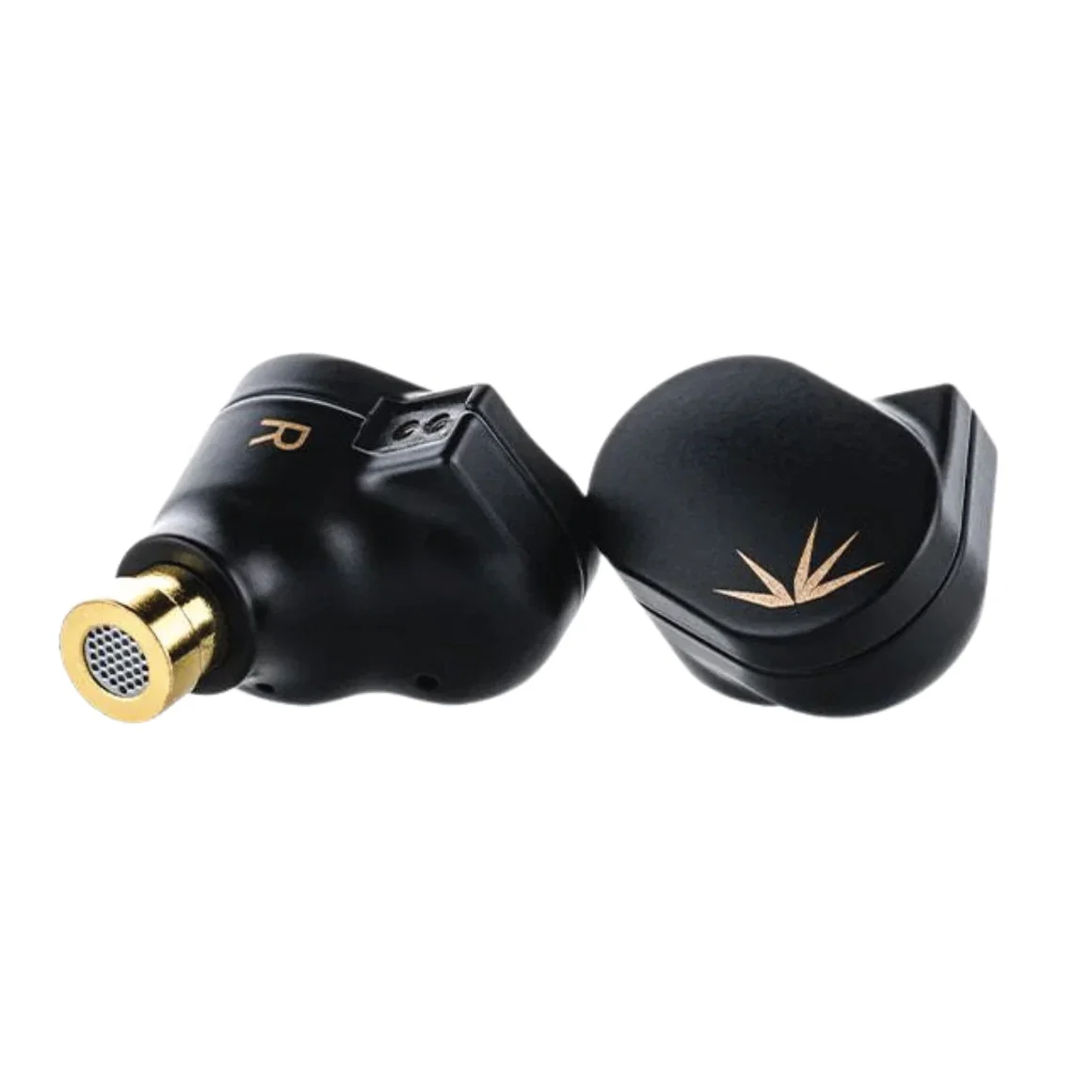
Moondrop Chu II DSP: Best Type-C Plug-and-Play
The Moondrop Chu II DSP is the Type-C version of the popular Chu II. If your smartphone lacks a 3.5mm audio jack and you prefer not to carry an external DAC dongle, this is the most convenient plug-and-play option. However, its soundstage presentation is noticeably more intimate and centered compared to the standard 3.5mm version. For everyday listening without an adapter, it remains a practical budget Type-C solution.

Type-C Convenience & Built-in Mic
The primary appeal of the Chu II DSP is pure plug-and-play convenience. For users on modern smartphones like the iPhone 15/16 series or Samsung Galaxy devices without a dedicated 3.5mm jack, it connects directly without any adapters. The built-in inline mic is fine for quick calls, but it is not its strong point. If you value plug-and-play over soundstage, it is a convenient daily pick under ₹3,000 ($35).
Strengths:
- Detailed tonal balance
- Compact design with USB-C support for modern devices
- Convenient for users who prefer a mic-enabled IEM
Limitations:
- Narrow soundstage, lacking the usual clarity and separation
- DSP affects sound quality, resulting in a boxed-in feel
- Microphone quality is subpar compared to other IEMs
🎧 Smartphone Audio Tip: No 3.5mm jack on your phone? Check out our complete guide: Do You Really Need a DAC for IEMs?
Conclusion & Recommendation
And well, that was an overview of my favorite IEMs in this price range. If you ask which one I’d pick, it’s a tricky question, but I’d go with the Aurora Ultra. But you can pick any of these based on my description, and you’ll be fine. I mean, these are all my favorites – if it weren’t good, it wouldn’t be in the article.
Frequently Asked Questions
Clear answers to common questions about performance, pairing, and value.



[…] you are looking for alternatives in this price bracket, check our curated guide to the best IEMs under 3000 for competitive […]