
When you have two in-ear monitors from the same brand sitting side by side on your desk, you have to pit them against each other.
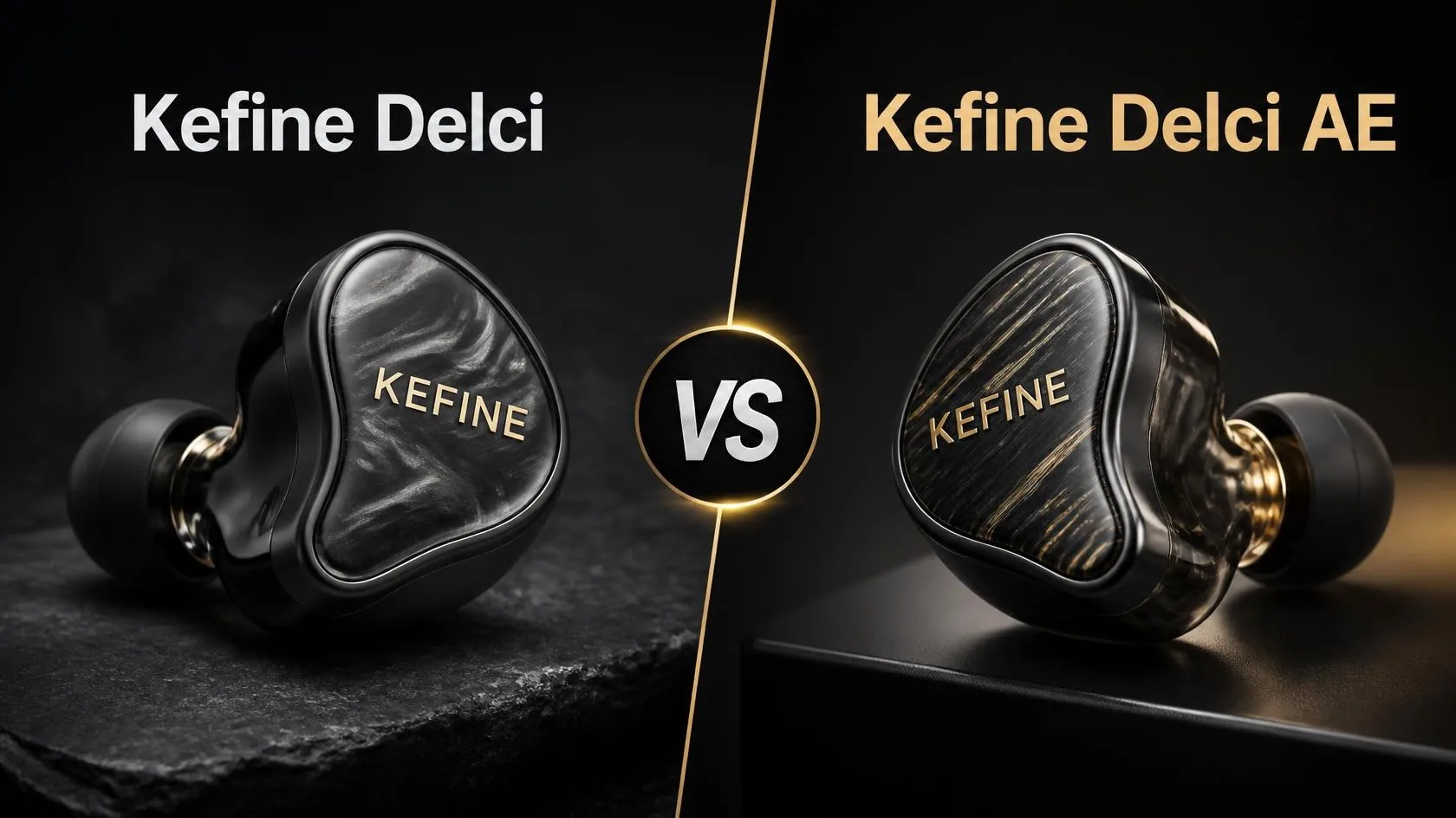
In this case, I have two IEMs that look almost like twins: the original Kefine Delci and its newer sibling, the Kefine Delci AE (AngelEars edition).
I spent three weeks putting both sets through extensive listening and competitive gaming, swapping cables back and forth, testing both nozzles, and driving them off different sources. Here is my completely honest, hands-on breakdown of the Kefine Delci vs Delci AE, detailing where they diverge, where they sound identical, and which one actually deserves your cash.
- For Gaming: Pick the Delci AE. The original’s heavy mid-bass boom masks subtle audio cues, whereas the AE has the clean low-end and wider stereo separation needed to pinpoint enemy footsteps instantly.
- For Music: If you just want to kick back with vintage rock, podcasts, or bass-heavy tracks without ear fatigue, save the cash and grab the original Delci. If you want modern instrument separation, better vocal clarity, and sub-bass rumble, the Delci AE is easily worth the extra $30.
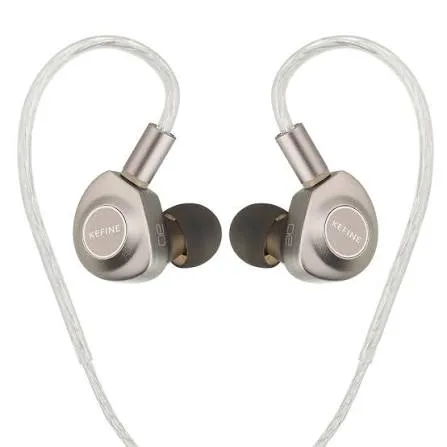
Kefine Delci vs Kefine Delci AE
| Feature / Spec | Original Kefine Delci | Kefine Delci AE (AngelEars) |
| Driver Configuration | 10mm Dual-Cavity Dynamic Driver (DLC + PU Diaphragm) | 10mm Dual-Cavity Dynamic Driver (DLC + PU Diaphragm) |
| Shell Material | CNC Aviation Aluminum (~5.3g per side) | CNC Aviation Aluminum (~5.3g per side) |
| Tuning Filters | Fixed Nozzles (Single warm signature) | Swappable Screw-on Nozzles (Silver & Gold) |
| Stock Cable Options | Standard 2-pin 3.5mm Single-Ended | 4-core Silver-Plated Copper (Choice of 3.5mm SE or Native 4.4mm Balanced) |
| Sound Profile | Warm, thick, meatier mid-bass, relaxed treble | Tighter mid-bass, deeper sub-bass extension, cleaner resolution |
| Retail Price Bracket | ~$54 – $57 | ~$85 – $90 |
| Best Used For | Relaxed music listening, vintage rock, vocal warmth | Competitive gaming, fast modern genres, higher detail retrieval |
How I Tested Both
To keep this test grounded and eliminate any placebo effect, I ran both IEMs through an identical chain:
- Source Gear: Driven through a clean desktop DAC/amp and a portable balanced dongle DAC.
- Termination Testing (3.5mm vs. 4.4mm): I picked up the Delci AE’s 4.4mm balanced edition. Because balanced outputs deliver more power by default, I volume-matched both IEMs using an SPL meter and test tones before doing critical A/B comparisons.
- The Cable Swap Test: Because the AE ships with an upgraded wire, I swapped the AE cable into the original Delci to see whether the sonic difference came down to the wire. It did not. Aside from slight headroom benefits on balanced 4.4mm, the actual differences in bass recovery, clarity, and treble sparkle come straight from the internal driver cavity dampening and nozzle filters.
- Music Playlist: High-res FLAC files covering acoustic folk (testing chest resonance and vocal throatiness), fast metal and electronic (evaluating transient speed and bass decay), and orchestral recordings (testing soundstage limits).
- Gaming Suite: Dozens of hours in tactical shooters (Counter-Strike 2, Valorant, and Apex Legends) to evaluate directional audio, footstep isolation under heavy fire, and fatigue during long sessions.
Build Quality
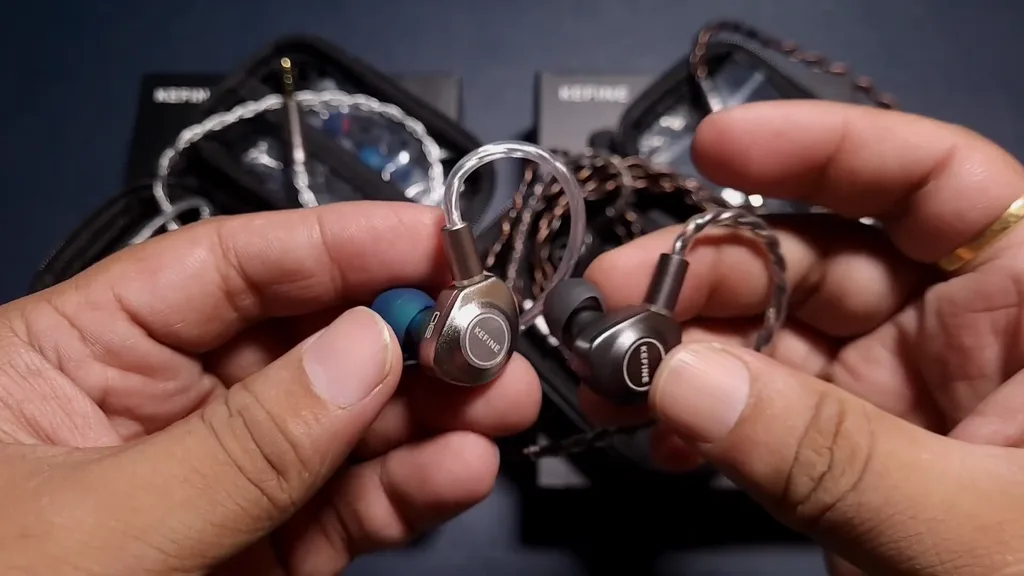
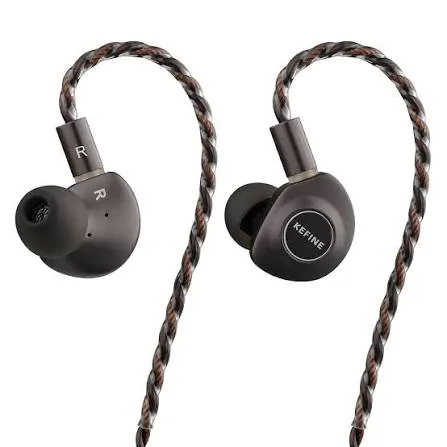
Remove the ear tips from both sets and line them up side by side: the shells are nearly identical.
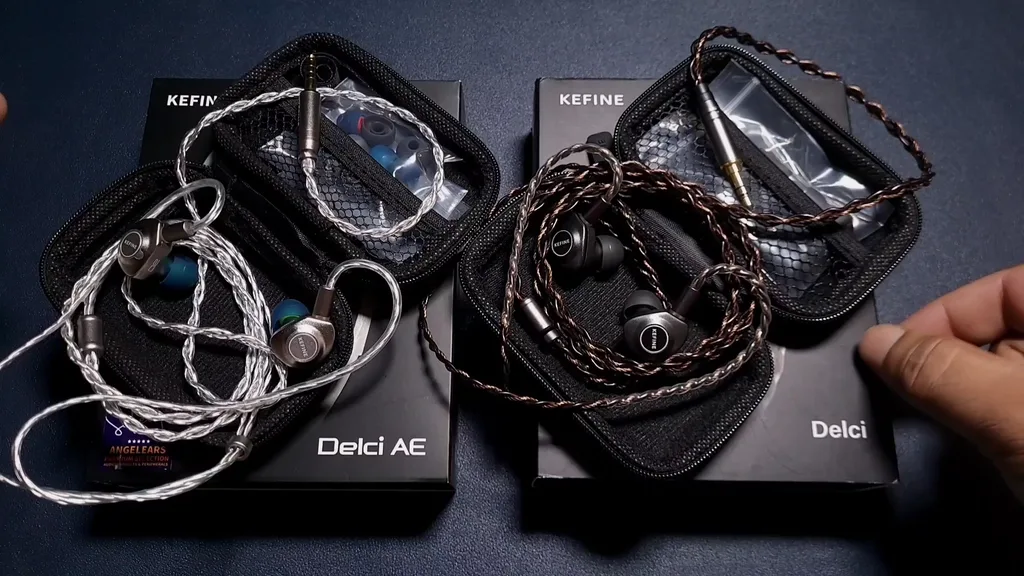
Both use CNC-machined, aviation-grade aluminum alloy and weigh about 5.3 grams per monitor. They sit flat and flush in the ear without annoying hotspots, making them genuine all-day wear sets. Passive noise isolation is above average for a metal shell and easily blocks out desk fan hum or PC fan noise.
The shell finish is slightly adjusted on the AE so you don’t mix them up in a carry case. Both use standard flush 0.78mm 2-pin connectors.
What Actually Changed on the AE Hardware?
- The Cable: The stock wire on the original Delci is fine, but the Delci AE cable is a noticeable step up. It is an internally braided, four-core, silver-plated copper run that is soft, drapes naturally, and has zero microphonic cable rustle when you move around.
- The 4.4mm Option: Ordering the AE with a balanced 4.4mm plug out of the box is a massive plus if you already use balanced dongles or dedicated DAPs.
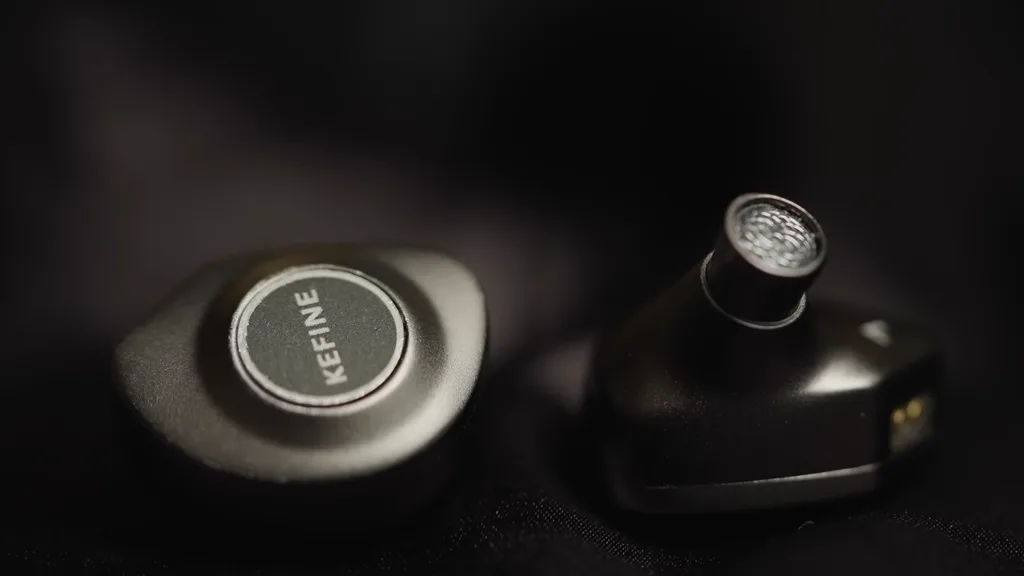
- Interchangeable Screw-On Nozzles: The Delci AE brings two sets of threaded metal nozzles: Silver and Gold.
- Silver Nozzle: Delivers a W-shaped, balanced profile with smooth upper mids and fatigue-free treble.
- Gold Nozzle: Pushes the upper midrange and treble forward, turning the IEM into a brighter, crisp V-shaped tuning.
- Note on Low-End: Swapping nozzles does not change the sub-bass or mid-bass quantity. It only shifts ear-gain presence and treble sparkle. I spent roughly 85% of my testing on the Silver nozzles, as they feel like the true, natural upgrade path from the original Delci.
Sound Comparison
Bass Response & Low-End Control
The low-end is where your ears immediately catch the tuning differences:
- Original Delci: This set is unapologetically warm and full-bodied. The mid-bass punch is bigger, note weight is thicker, and decay is slightly slower. Kick drums hit with a wide, soft-edged slam. If you enjoy a vintage, analog low-end that adds warmth to thin or older masterings, you will love it.
- Delci AE: The mid-bass body is tighter, cleaner, and faster. It trims that tiny bit of lower-mid bleed and directs impact lower into the sub-bass rumble. When a heavy sub-bass drop hits, the AE digs deeper, holds the note with better composure, and recovers faster.
If you want a meaty, forgiving low end, the original Delci has the advantage. If you prefer precision, sub-bass extension, and speed, the Delci AE easily takes it.
Midrange & Vocals
- Original Delci: Vocals have exceptional vertical height and note weight. Male vocals in particular carry an authentic chest resonance and organic throatiness that sounds rich and natural. It has a slight mid-dip that gives it a mild U-shape, but vocals never feel buried.
- Delci AE: Vocals sit slightly cleaner and more neutral. You lose a little bit of that thick vocal density found on the original, but in exchange, every acoustic instrument around the singer becomes distinctly audible. The background feels darker and more transparent. Guitars and piano keys hit with sharper trailing edges rather than blending into the bassline.
Treble Energy & Detail Retrieval
- Original Delci: Safe, smooth, and non-fatiguing. The extension is decent, but the upper-treble floor has a slight veil. It avoids sibilance completely, making it fantastic for poor masterings or harsh tracks, but it puts micro-details in the back seat.
- Delci AE: Noticeably more open and airy. On the Silver nozzle, transient attacks are crisper and cymbal hits ring out with realistic decay instead of an abrupt fade. It resolves background string plucks and synth layers that sounded smoothed over on the older set. If you screw on the Gold nozzle, you get even more treble presence, though sensitive ears might find it a touch sharp on energetic tracks.
Soundstage & Imaging
- Original Delci: Delivers surprising vertical stage height. Instruments sound tall, giving you an intimate, holographic listening bubble.
- Delci AE: Sacrifices a sliver of that vertical height to stretch the stage wider laterally. The stereo separation is wider, and pinpointing individual instrument placements is much easier thanks to the cleaner background.
Gaming Performance: Which One Should You Buy?
If you are hunting for a dedicated IEMs for gaming to run both casual and competitive titles, this is not a tie: the Kefine Delci AE is the better gaming set.
Here is why:
- Footstep Clarity Under Fire: In games like Counter-Strike 2 or Valorant, the original Delci’s heavy mid-bass can mask quiet positional cues (like enemy footsteps or reload clicks) during intense grenade explosions and gunfights. The Delci AE’s tighter mid-bass leaves plenty of headroom for subtle audio cues to cut through clearly.
- Pinpoint Directional Imaging: The AE’s wider lateral soundstage makes tracking target movement across your field of view considerably more accurate. You can tell whether an enemy is flanking from an exact diagonal angle rather than just guessing “somewhere to the left.”
- Fatigue Factor: The Silver nozzles on the AE keep the sound signature smooth enough that loud gunshot spikes will not pierce your ears during 3-hour gaming marathons.
The original Delci is totally fine for single-player RPGs where you want deep, cinematic explosions and a lush soundtrack. But for any competitive title requiring spatial awareness, the Delci AE is a major step up.
Which One Deserves Your Money?
Buy the Original Kefine Delci if:
- Your budget is strictly capped around $70–$90.
- You love a warm, bass-forward sound signature with thick, throaty vocal body.
- You are sensitive to treble and want an easygoing, non-fatiguing set for casual listening.
Buy the Kefine Delci AE if:
- You play competitive tactical shooters and need clean, directional audio cues without mid-bass masking.
- You want a cleaner, more resolving tuning that pulls out subtle micro-details in music.
- You want the versatility of swappable tuning filters (Silver for safe W-shape, Gold for bright V-shape).
- You want a high-grade 4.4mm balanced cable out of the box, without buying aftermarket wires.
My Pick: While the original Delci remains a lovable, smooth daily driver for relaxing, the Kefine Delci AE is the more complete, versatile audio tool. Tighter bass control, enhanced resolution, and better gaming performance make it well worth the small price bump.
Frequently Asked Questions
Clear answers to common questions about performance, pairing, and value.