
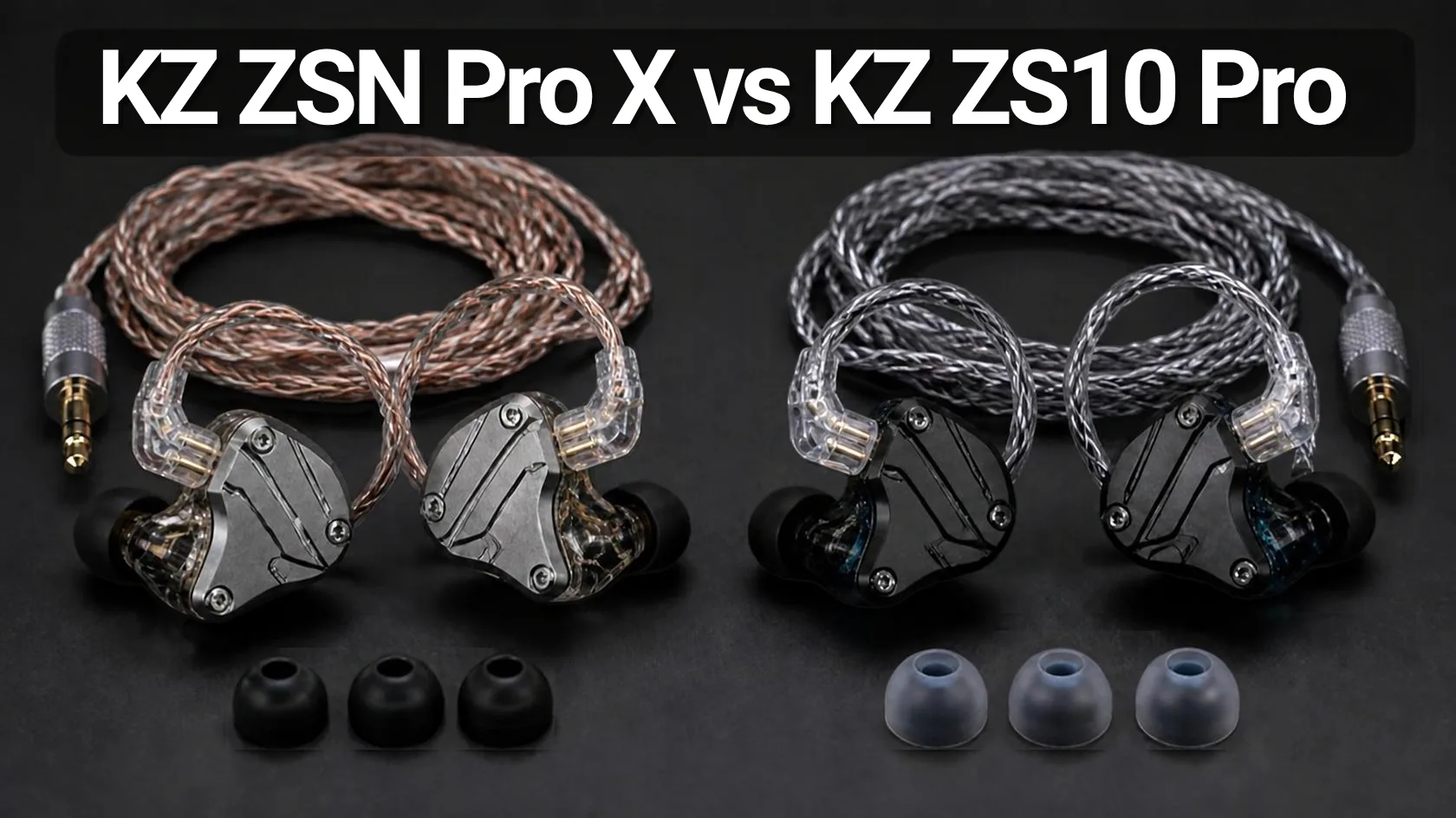
I spent one week with the KZ ZSN Pro X and a full month with the KZ ZS10 Pro. Both are cheap hybrid IEMs, both lean bright, and both get recommended to every gamer asking what to buy first. So which one deserves your money?
If gaming is your main thing, I’d go with the ZS10 Pro. If you’re on a tight budget, want a built-in mic, or this is your first IEM, the ZSN Pro X is still a great buy at around $19.99. Here’s how I got there.
Best for Gaming: KZ ZS10 Pro
Best on a Budget: KZ ZSN Pro X
How I Tested Them
I’ll be upfront: I did not test these side by side on the same day. I used the ZSN Pro X for one week with music, games, movies, calls, and everyday work. I used the ZS10 Pro for a full month of music, YouTube, movies, and gaming. I used the same setup for the ZS10 Pro: my phone with a USB-C to 3.5 mm dongle, plus my laptop.
For the ZSN Pro X, I used my phone with a USB-C to 3.5 mm dongle and my laptop’s headphone port. For games, I played competitive shooters and a few slower single-player titles. My main competitive games were PUBG and CS:GO.
So this comparison comes from my notes and what stuck with me after weeks of use, not from a volume-matched A/B test. That’s still more useful than a quick one-hour impression, but you should know how I did it.
KZ ZSN Pro X vs KZ ZS10 Pro Specs
| ZSN Pro X | ZS10 Pro | |
|---|---|---|
| Drivers | 1 dynamic + 1 balanced armature | 1 dynamic + 4 balanced armature |
| Impedance | 25 ohms | 30 ohms |
| Sensitivity | 112 dB | around 111 dB |
| Cable | Detachable, 0.75 mm two-pin | Detachable, 0.75 mm two-pin |
| Mic | On selected variants | Not on the standard version |
| Price | $19.99 | $38.24 |
Both are easy to drive. I never needed an amplifier with the ZSN Pro X, and a decent dongle was enough. One cheap dongle I tried added a faint hiss, and a better one fixed it straight away, so don’t cheap out there.
Build & Comfort
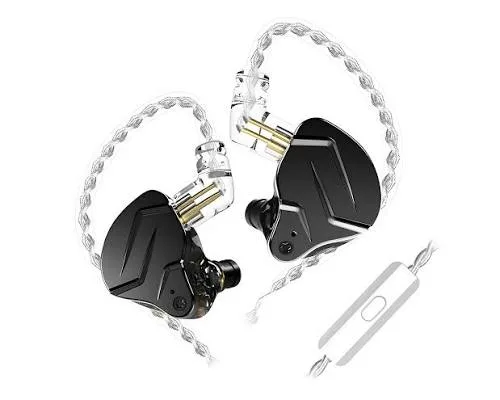
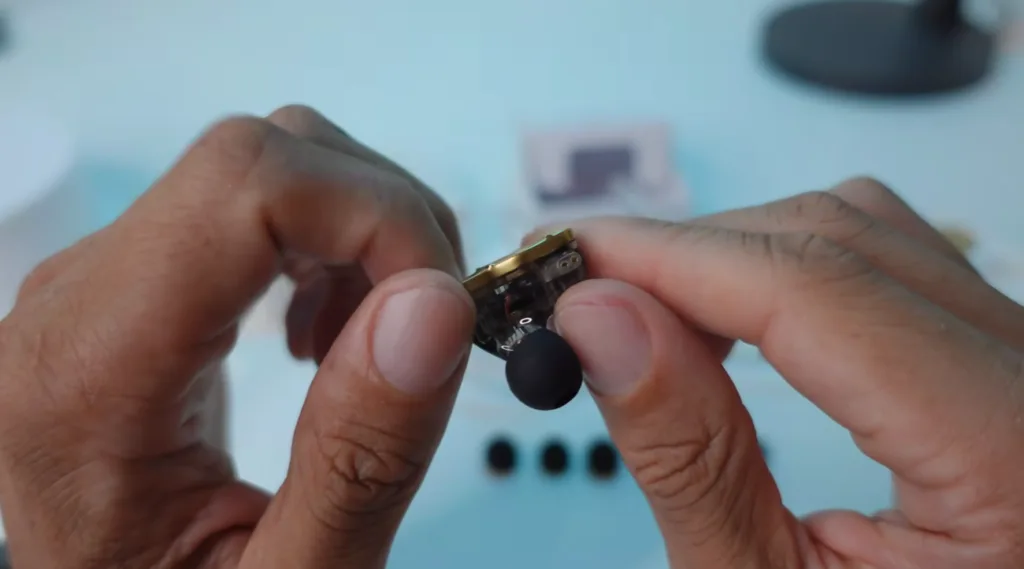
The ZSN Pro X doesn’t look like a $19.99 product. The resin shell is slightly transparent, and the zinc-alloy faceplate looks good. I used the black one, and I didn’t find a single loose part or creak. What I didn’t like: no carrying case. Those metal faceplates shouldn’t live loose in a bag with keys and coins.
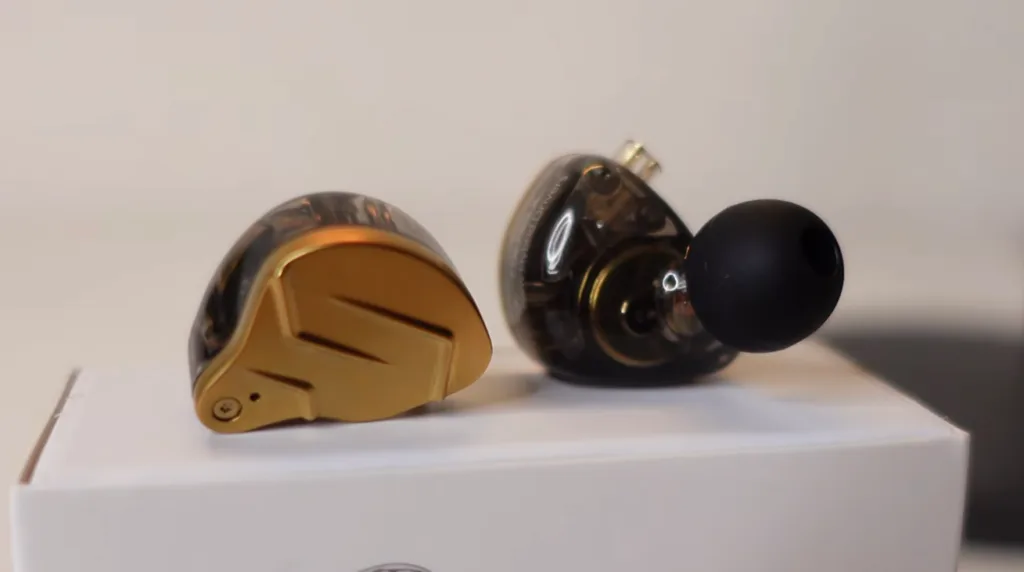
The shells are big, too. They filled most of my outer ear, and I noticed them for the first few hours. After two or three days, I stopped caring, although one very long session left some pressure around my right ear. If you have small ears, expect that to be worse.
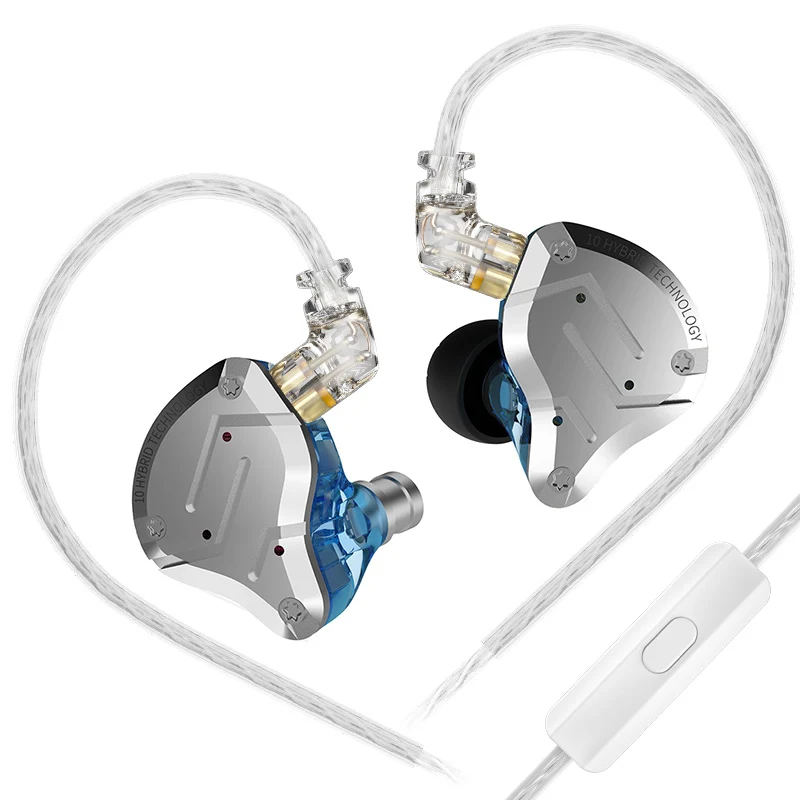
The ZS10 Pro feels even more premium to me. The metal faceplate and transparent shell look far more expensive than they are, and after a month of daily use, it still looked solid. The shell is large here as well, so some people will get tired of it after a few hours. I found it comfortable and secure for gaming and walking.
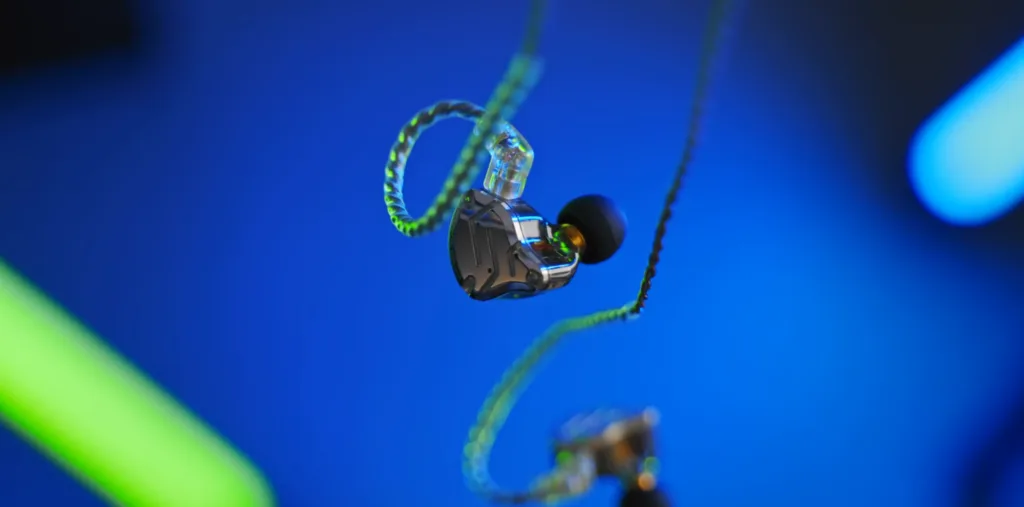
One tip for both: spend ten minutes trying ear tips. On the ZSN Pro X, the small tips didn’t seal, and the bass went thin; the large ones pressed too much, and the medium pair was right for me. A good seal changed the sound more than I expected.
Sound Quality
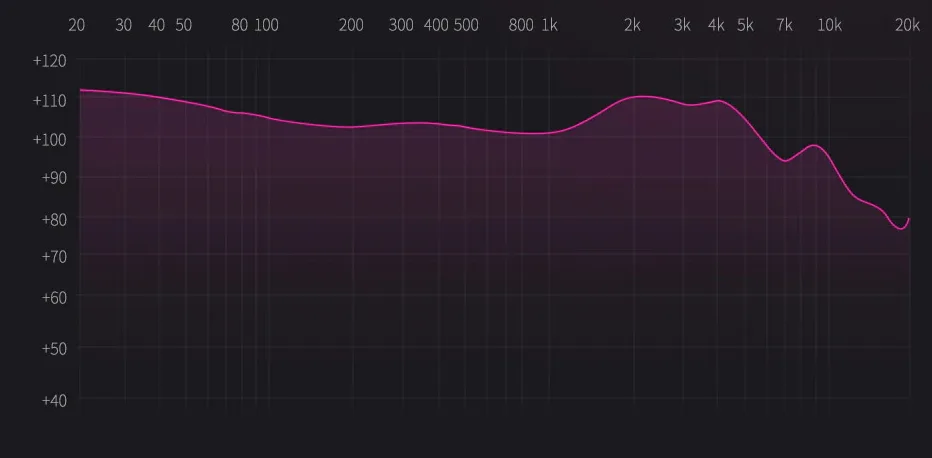
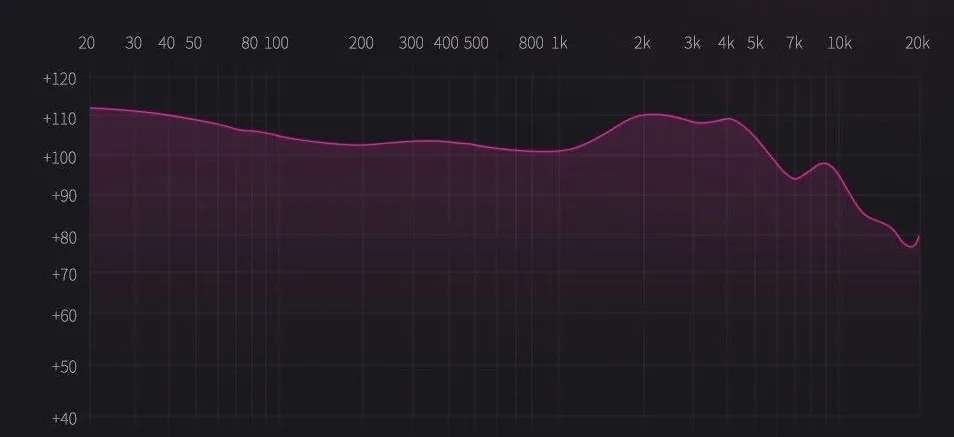
Both are V-shaped: bass and treble up front, mids a bit behind. Neither is a relaxed, warm IEM.
Bass
The ZS10 Pro has the bigger bass. It has real sub-bass depth and strong mid-bass, and action movies, hip-hop, and electronic music felt more fun on it. Sometimes the mid-bass spills a little into the lower mids. The ZSN Pro X has punchy bass that stops quickly and doesn’t muddy vocals, but it lacks deep rumble. I could hear low notes without really feeling them.
Vocals
Neither is built around vocals. On the ZSN Pro X, vocals are clear, but male voices can sound a bit thin in busy songs. On the ZS10 Pro, vocals are fine but sit behind the bass and treble.
Treble
This is where both get mixed reactions, and I understand why. The ZSN Pro X gave me so much detail in the first two days that I was impressed. By the end of the week, “s” and “t” sounds were getting sharp, and cymbals felt aggressive at higher volume. Keeping the volume moderate helped a lot. The ZS10 Pro has the same issue with bad recordings or long sessions, although its balanced armature drivers do give better detail for the price. If you’re sensitive to treble, try foam tips or a small EQ cut before giving up on either.
Soundstage
Neither is wide. The ZSN Pro X has clear left and right placement, but depth is limited and sounds mostly stay close to your head. The ZS10 Pro is not huge either, but instruments don’t pile on top of each other, and separation is cleaner.
Gaming Performance
This is the part you came for.
On the ZSN Pro X, footsteps, reloads, and small environmental sounds are very easy to pick out. In competitive matches, I could usually tell if something was on my left or right, and nearby movement was especially clear. What I struggled with was distance. I’d know the direction but not always how far away the sound was. A wider soundstage would help there. Gunshots sounded sharp and immediate, and explosions were clear but lacked impact.
On the ZS10 Pro, the separation and imaging made directional sounds easier to read in fast situations. It’s not a wide-soundstage gaming headset either, but it handled both casual and competitive games well. Its bigger bass should also give gunfire more weight. I didn’t note down explosions specifically, but action movies definitely felt more engaging on it.
So for pure competitive footstep-hunting, both are good, and the ZS10 Pro is a bit better at reading where things are. For single-player games with big sound design, I’d take the ZS10 Pro too. Neither fully replaces a good full-size headset for cinematic games.
Both are also light. After two hours, I wasn’t dealing with hot ear cups pressing on my head like with a headset.
Mic
This is the ZSN Pro X’s biggest advantage. My mic version had a single button and no volume control. In a quiet room, it was fine for casual calls, Discord, and short meetings, and nobody had trouble hearing me. It also picks up keyboard clicks, fan noise, nearby voices, and wind and traffic outdoors, so I wouldn’t use it for streaming or recording.
The standard ZS10 Pro has no mic, so for voice chat, you’ll need a separate mic cable or a desk mic.
Which is Better
Get the ZS10 Pro if you mainly game but also listen to music, you like strong bass, and you don’t need a mic. It’s older tuning, so newer IEMs may sound smoother, but I still enjoyed it a lot.
Get the ZSN Pro X if you’re on a tight budget, buying your first IEM, or you want a mic for Discord. It gave me more detail than I expected at around $19.99.
Skip both if treble bothers you, you want a warm, relaxed sound, you need noise cancellation, or you want a big, cinematic soundstage. Neither has ANC. The ear tips give decent passive isolation, but I could still hear horns and sudden noises. If neither sounds right for you, check my list of the best IEMs for gaming.
My Verdict
For gaming, I’d pick the KZ ZS10 Pro. Better imaging, bigger bass, and a more solid build gave it the edge over a month of use. The KZ ZSN Pro X is the smarter pick if money is tight or you want a mic, and I didn’t regret buying it either.
The annoying part is that both can get tiring at higher volumes, so keep it moderate and sort your ear tips out first.
Frequently Asked Questions
Clear answers to common questions about performance, pairing, and value.