
If you’re picking an best iems for gaming under $50 based on generic audiophile roundups, you are setting yourself up to get wrecked in your next ranked match.
Most budget audio reviews focus on what makes hip-hop punchy or female vocals sound velvety. But in a tactical shooter, the exact sound signature that makes an album sound “warm and fun” will completely bury enemy footsteps the second a grenade detonates near you.
I spent weeks cycling through the most popular sub-$50 sets on my desk, putting them through long competitive gaming sessions and side-by-side music tests. Here is an honest breakdown of what delivers pinpoint directional imaging, what works as a comfortable daily driver, and which hyped sets you should leave on the shelf.
Quick Picks (IEMs Under $50)
- Best All-Round Gaming IEM: CCA Phoenix – Incredible spatial awareness, metal shell, and clean separation between gunshots and footsteps.
- Best Safe & Balanced Daily Driver: Moondrop Chu II – Great out-of-the-box tuning for music and casual games, but keep an eye on nozzle moisture.
- Best Technical Performance Near $50: Kiwi Ears Cadenza 2 – Best micro-detail retrieval, wider soundstage, and zero harsh treble spikes.
- Best If You Need a Mic & Tuning App: Tanchjim Bunny DSP – Type-C plug-and-play with custom in-app gaming presets and a built-in mic.
- Best for Story Games, Movies & Bass: KZ Castor Bass Edition – Hard-hitting sub-bass rumble with physical switches, built for single-player immersion.
- Best for Vocals & All-Day Comfort: EPZ Q1 Pro – Tiny custom-resin shell that fits like a glove with crystal-clear mid-range.
- Hard Skip for Competitive FPS: Tangzu Wan’er SG2 – Incredible for vocals and casual playlists, but the boosted low-end completely covers up quiet footstep cues.
How I Tested These
I didn’t just plug these into a multi-thousand-dollar desktop stack and call it a day. Most people buying a $30 IEM are plugging them straight into a motherboard or a simple dongle, so that’s exactly how I ran them:
- Sources Used: A direct PC motherboard 3.5mm jack, a standard Apple USB-C to 3.5mm dongle, and an iFi Go Link Max to check driver scaling.
- The FPS Benchmarks: Hours inside Valorant and Counter-Strike 2 focusing strictly on audio spatialization. Pinpointing defuse clicks, vertical footsteps on stairs, and tracking reload cues through thick smoke.
- The Chaos Test: Apex Legends and Battlefield multi-squad firefights to test audio separation (whether footstep cues survive when three abilities and an airstrike go off at the same time).
- The Physical Wear Test: 4 to 6 hours of continuous wear per session to see which shells build up painful pressure against the ear cartilage, which stock cables tug or tangle, and which tips lose their seal.
Quick Comparison
| IEM Model | Best For | Sound Signature | Gaming Verdict | Price (Approx.) |
| CCA Phoenix | Competitive FPS (CS2, Valorant) | Bright / Lean Mid-bass / Detailed Treble | S-Tier: Laser-accurate footsteps and spatial cues | ~$35 |
| Kiwi Ears Cadenza 2 | Daily Driver (Gaming + Music) | Mild V-shape / Smooth Warmth | A-Tier: Great spatial awareness, zero listening fatigue | ~$50 |
| Tangzu Wan’er SG2 | Vocal Music & Cinematic RPGs | Warm / Sub-bass Boost / Intimate Mids | C-Tier: Bass masks quiet footsteps; great for music only | ~$25 |
| KZ Castor (Bass) | Bassheads / Casual Action Games | Heavy V-shape / Boomy Low-end | D-Tier: Muddy imaging; explosions drown out everything | ~$25 |
| EPZ Q1 Pro | Long-session Comfort & Midrange | Balanced / Forward Vocals | B-Tier: Clean positioning, but lacks lower impact | ~$40 |
| Moondrop Chu II | Budget All-Rounder (With Caveats) | Harman-Neutral / Crisp | B-Tier: Solid sound, but long-term nozzle rust issues | ~$22 |
The Undisputed Competitive FPS King: CCA Phoenix
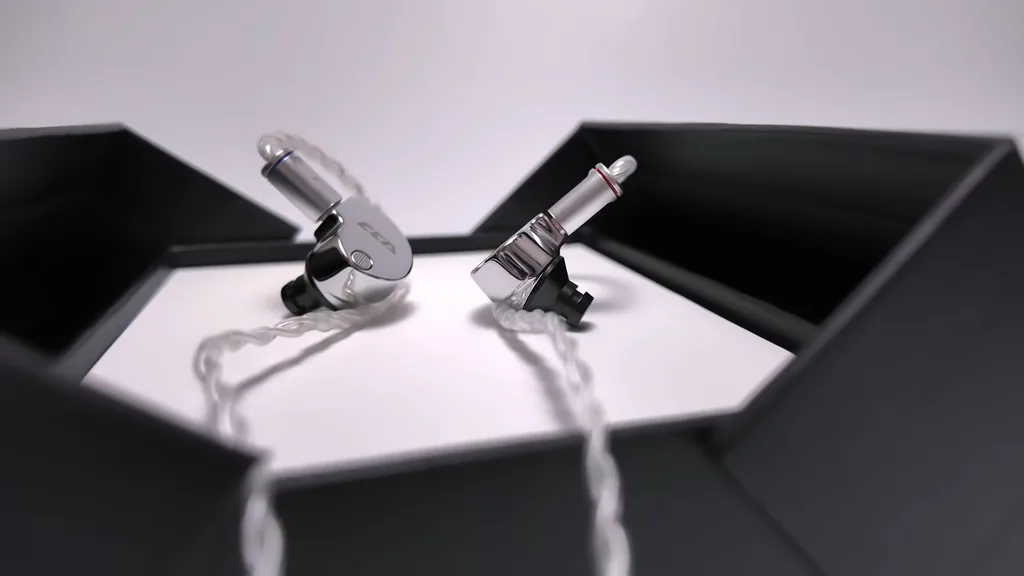
If your main goal is strictly climbing ranks in tactical shooters, the CCA Phoenix is the best sub-$50 IEM I have tested.
Why It Wins in Gaming
Most budget IEMs tune the mid-bass way up to make them sound “punchy.” The Phoenix pulls that mid-bass back and pushes energy into the upper midrange and lower treble.
In-game, that translates to pure clarity. The low rumble of distant gunfire doesn’t bleed into the frequency range where footsteps live. Distances register accurately, when an enemy is 15 meters away on A-Short, they actually sound 15 meters away, rather than sounding like they’re breathing down your neck. The staging feels open, and horizontal tracking across your screen is sharp and immediate.
Build & Everyday Reality
The shell is solid metal with a dense, premium weight, paired with a surprisingly soft 4-core braided cable that doesn’t kink. It even ships with a faux-leather snap case that puts most $80 packages to shame.
The Warning: Because the treble is energetic, this set leans bright. If you have sensitive ears or hate aggressive “S” sounds and sharp gun clicks, long sessions might cause treble fatigue. But for pure competitive advantage, nothing else at $35 touches it.
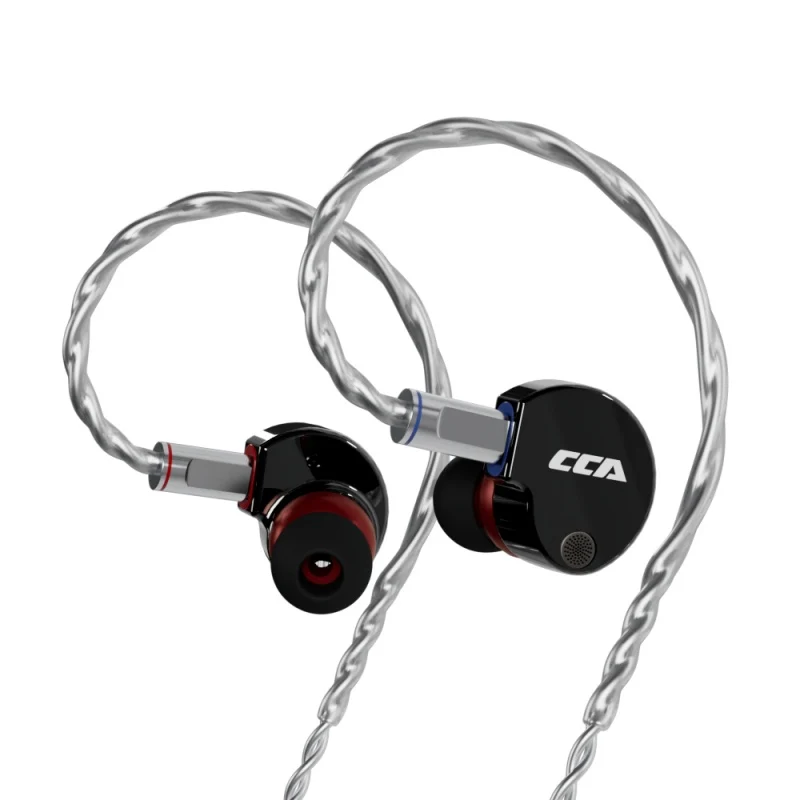
The Best “Do-It-All” Daily Driver: Kiwi Ears Cadenza
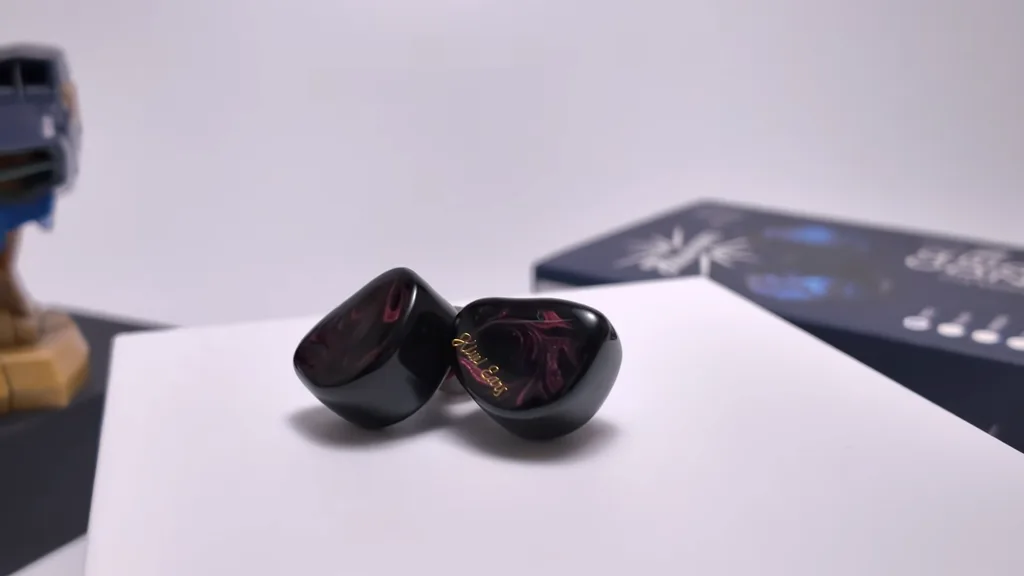
If you don’t want a specialized, razor-sharp gaming tool and want one pair of earbuds that plays music cleanly, handles Discord, and lets you game comfortably for six hours straight, buy the Kiwi Ears Cadenza.
Why It’s the Safest Recommendation
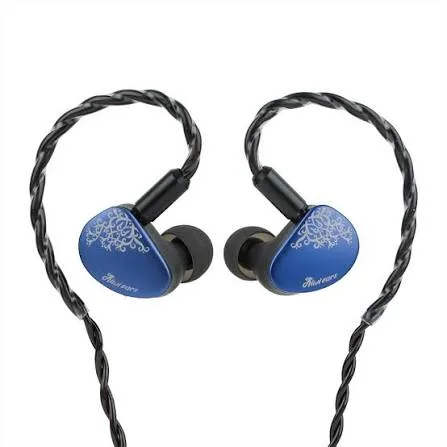
The Cadenza uses a medical-grade resin shell with an ergonomic curve modeled after custom stage monitors. It is featherlight. You put it in, twist it slightly, and it vanishes. No weird pressure points press into your ear canal, and the smooth resin doesn’t get icy or hot like metal-housing IEMs.
Audio Breakdown
The tuning is a textbook mild V-shape. You get enough low-end punch to make EDM, rock, and cinematic game cutscenes feel alive, but the bass curve drops off right before it reaches the vocal range. In games like Apex Legends, you get a balanced sense of space without the sharp treble spikes that plague cheaper sets. It’s not quite as laser-focused for micro-footstep cues as the CCA Phoenix, but it will never fatigue your ears.
The Music Winners (That SUCK for Competitive FPS)
This is where buying based on generic audio reviews burns people. The two IEMs below are genuinely enjoyable for casual listening, but they will actively hurt your ranked performance.
Tangzu Wan’er SG2 (Red Lion Edition)
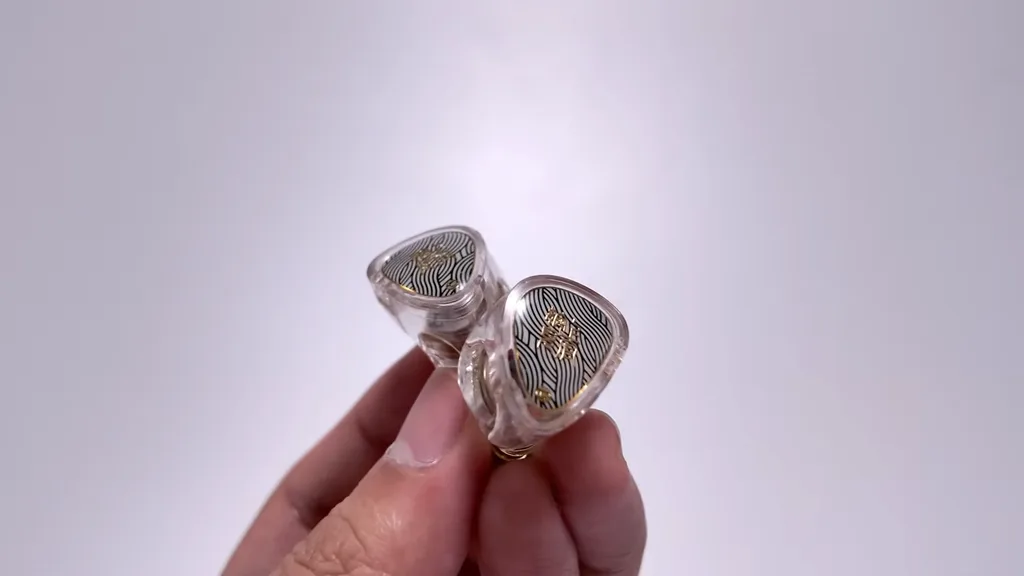
The original Wan’er was an instant classic, and the Tangzu Wan’er SG2 Red Lion edition leans even further into a smooth, fun, community-driven sound profile. It comes with custom transparent ear tips that seal effortlessly, a decent tangle-free cable, and stunning clear shells.
- Where It Shines: Vocals and acoustic tracks. Adele, acoustic guitar tracks, and mid-range-heavy playlists sound intimate, thick, and organic.
- Why It Fails in Gaming: The sub-bass and lower-mid frequencies are thick and forward. The moment a grenade explodes, or an ultimate ability drops in Valorant, the bass resonance blankets the entire soundscape. Footstep positioning gets swallowed up in a muddy low-end smear. It is fantastic for kicking back with a single-player RPG like The Witcher 3, but avoid it for tactical shooters.
KZ Castor (Bass Edition)
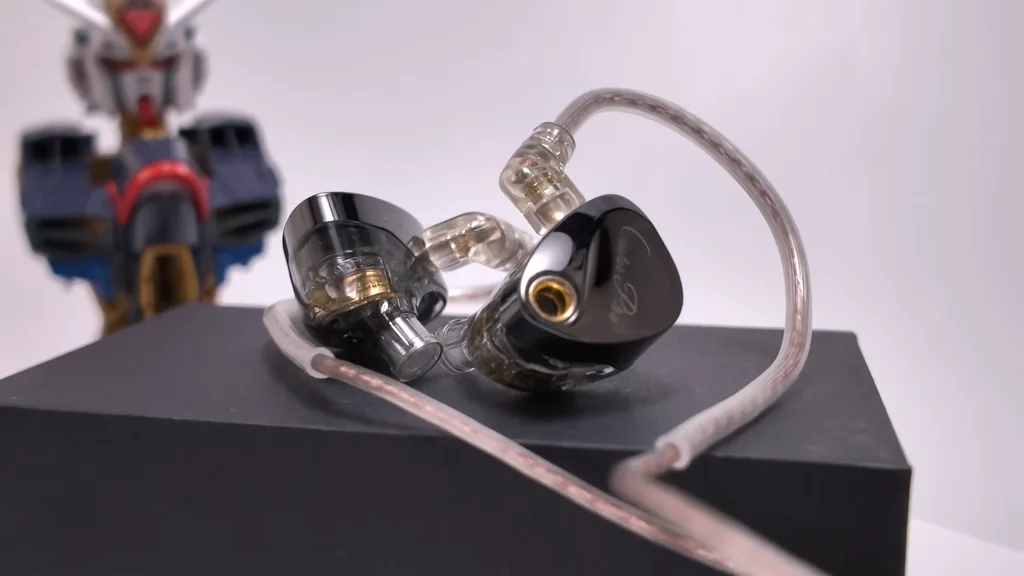
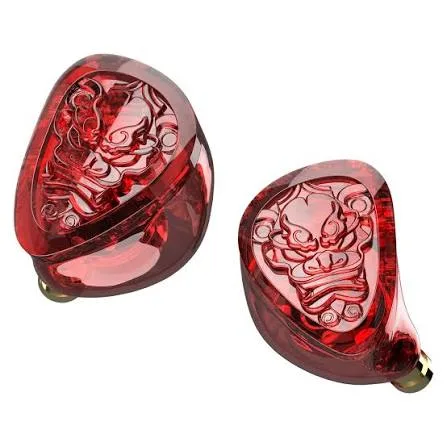
The KZ Castor has physical hardware tuning switches on the side and a dual-driver setup that delivers immense low-end slam. If you want cheap bass that rattles your eardrums while playing Doom Eternal or watching action movies on your laptop, it’s a fun toy for under $20.
- The Problem: It has virtually zero technical separation. Directional imaging is imprecise, the stock cable is stiff and sticky, and the massive low-end creates an audio wall that ruins spatial awareness. Leave this one for casual fun and basshead music listening.
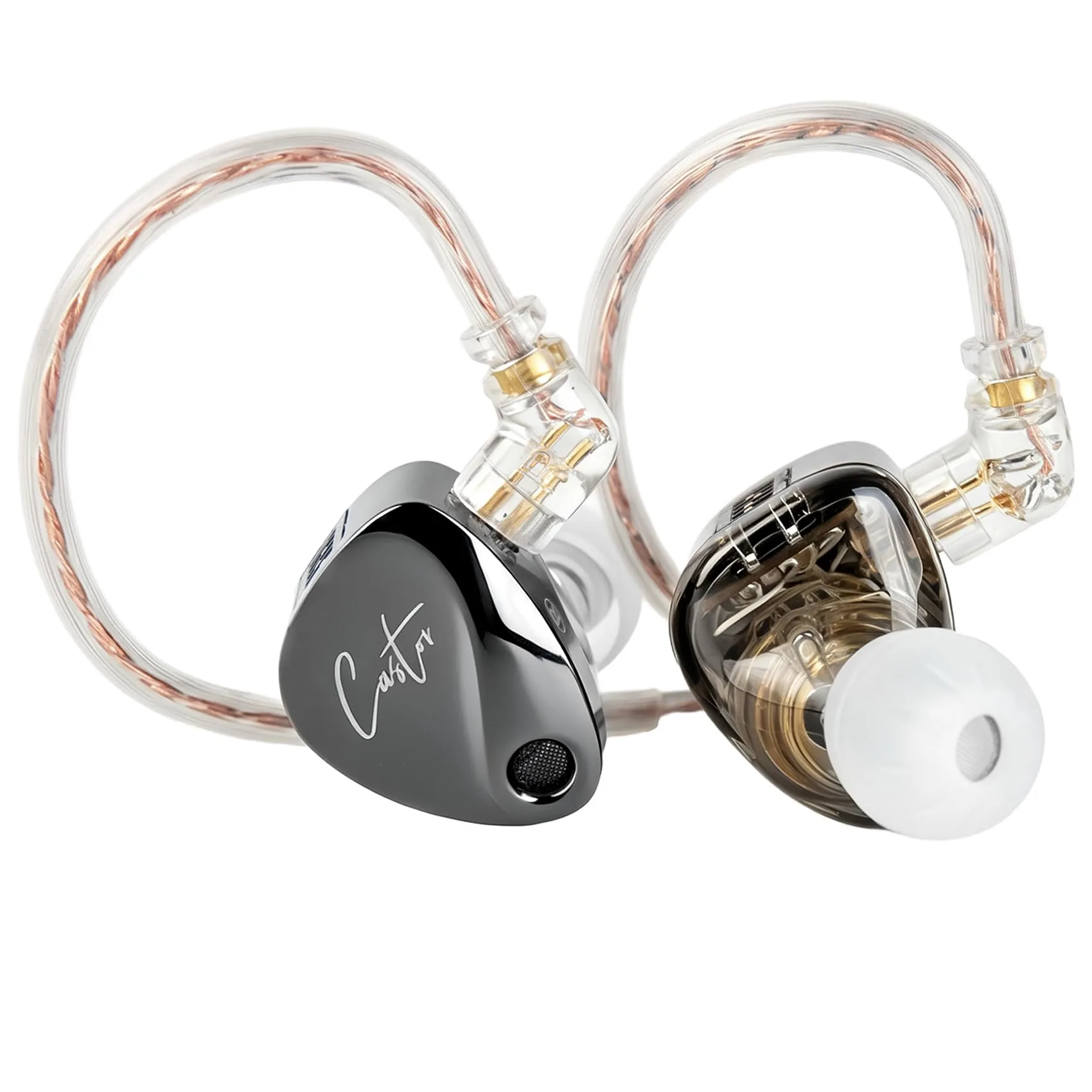
EPZ Q1 Pro
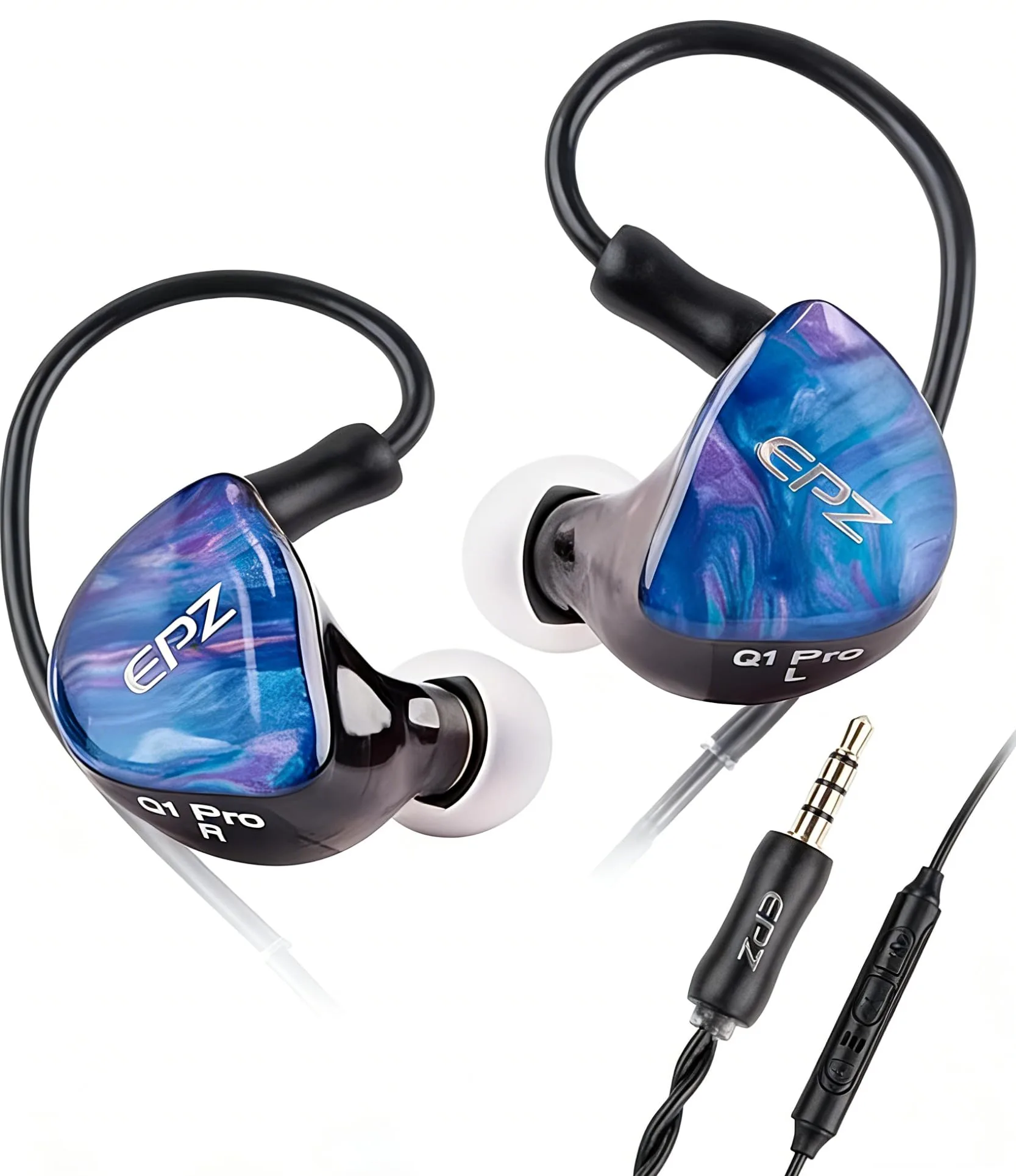
The EPZ Q1 Pro has one of the best resin shells in the sub-$40 bracket. Gorgeous faceplates and a fit that locks into the ear like a tailored glove. Vocals are pristine and forward. However, it lacks the sub-bass foundation needed for cinematic impact, and the soundstage is intimate rather than wide, making it harder to gauge whether footsteps are directly above you or down a hallway.
The Budget Trap: What to Avoid
Moondrop Chu II
On paper, the Moondrop Chu II looks like an absolute steal: $22, clean Harman-style tuning, detachable cable, and a compact zinc-alloy shell. Out of the box, it sounds decent for music and passable for casual gaming.
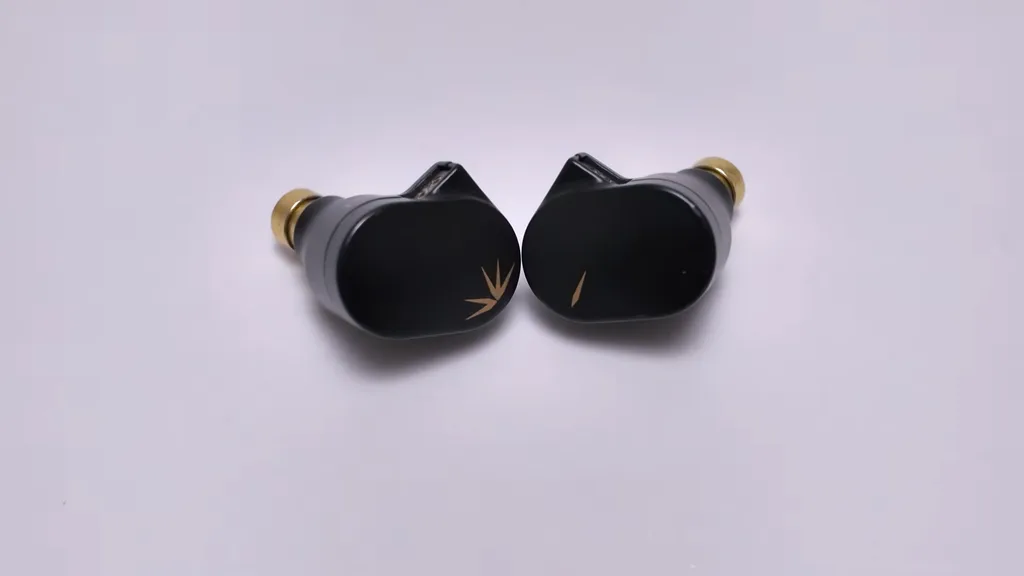
Why I cannot recommend it long-term: The brass nozzle has zero protective lacquer. In real-world use, especially in a moderately humid climate, raw brass oxidizes quickly. Even keeping them stored with silica gel packs doesn’t completely stop moisture buildup and green verdigris corrosion on the filters. Once that oxidation sets in, you get severe channel imbalance where one earbud suddenly plays at half the volume of the other. At that point, it’s junk.
The Sub-$15 Clones (ND Leo, Ultra-Budget KZs)
You will see dozens of ultra-budget options flooding the market, including several sub-$15 KZ iems and cheap clones marketed heavily toward gamers. Skip them. They ship with paper-thin cables that hold memory kinks forever, microphonic housing that rustles every time you move your head, and grainy dynamic drivers with harsh treble peaks. Going from $15 to $35 gets you a better cable, proper shell ergonomics, and a jump in driver resolution that is instantly noticeable.
What About DSP & Software EQ?
If you want to cheat the system slightly, you can take a well-rounded IEM like the Kiwi Ears Cadenza or a budget DSP option (like the Tanchjim Bunny DSP) and use free software like Equalizer APO with the Peace GUI on PC.
By applying a simple low-shelf filter to cut sub-bass frequencies below 150 Hz and slightly nudging the 2.5 kHz to 4 kHz range, you can strip away the explosive rumble from any set and bring quiet footsteps forward on command.
If you want pure hardware performance straight out of the box with zero tweaking, sticking to the right hardware tuning is still the cleanest route.
Which One Should You Actually Buy?
- If you strictly play tactical FPS games (CS2, Valorant, Rainbow Six Siege): Buy the CCA Phoenix. The lean bass and boosted treble edge will give you the sharpest audio cues and footstep placement you can buy for $35.
- If you want one comfortable IEM for music, everyday PC use, and casual gaming: Buy the Kiwi Ears Cadenza. It has the best resin comfort in the category, zero harshness, and none of the durability headaches of metal nozzles.
- If you are buying purely for music and single-player cinematic games: Pick up the Tangzu Wan’er SG2. Just don’t expect it to help your rank in competitive shooters.