

The first thing I noticed with the AFUL Performer 5+2 was the physical snap of its bass. Kick drums start quickly, bass guitar has real weight, and electronic low-end carries enough rumble to feel exciting without turning the midrange muddy. It has the clean presentation of a relatively neutral IEM, but with more punch and treble energy than the original Performer 5.
At the reviewed price of approximately $239 to $240, the Performer 5+2 is genuinely good. Its strongest qualities are its energetic tuning, clear vocal range, spacious presentation, and strong technical performance for the money. The additional dynamic driver and micro-planar tweeter do not completely reinvent the original Performer 5, but they make the presentation more immediate, incisive, and engaging.
I would recommend it to listeners who want a versatile IEM with physical bass, clean mids, and lively treble. I would be more cautious for anyone sensitive to treble texture or who prefers a very smooth, relaxed sound. Existing Performer 5 owners should also think carefully before upgrading because the changes are meaningful, but not dramatic.
Specifications
My Testing Setup & Methodology
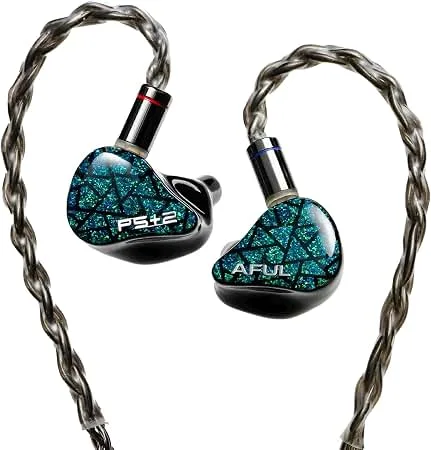
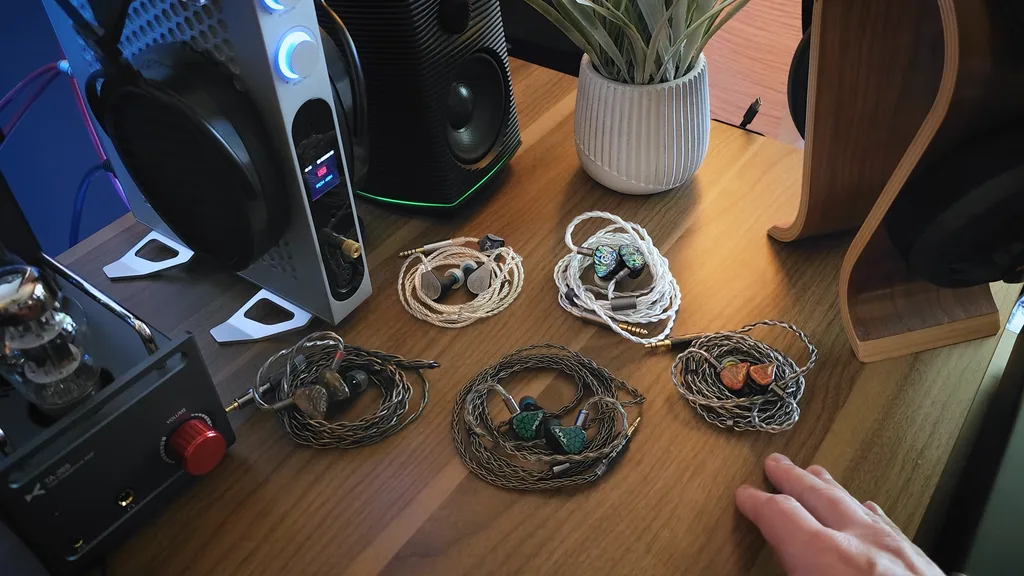
I evaluated the AFUL Performer 5+2 over several weeks, using it for repeated listening and direct comparisons with the original Performer 5 and several competing IEMs. The comparisons included the AFUL Explorer, Juzear Butterfly 61T, DUNU Da Vinci, Tanchjim Chopin, and Thieaudio Oracle MKIII.
I tried the ear tips and also experimented with a SoftEars Ultra Clear tip. That particular tip gave me the most secure and comfortable fit, largely because its grippy texture worked well with the nozzle. The review sample came with a 4.4 mm termination, while the model is also available with a 3.5 mm connection.
The listening impressions came from music with vocals, acoustic instruments, electronic bass, percussion, and dense arrangements. I also paid close attention to high-frequency percussion and cymbal timbre because that is where the Performer 5+2 can sound different from smoother competitors. One album specifically noted during listening was Parcels’ live album Games of Luck, which helped reveal the IEM’s attack, treble texture, and sense of space.
I also considered frequency-response analysis when interpreting the tuning. The graph shows a boosted bass region, a generally clean midrange, additional lower-treble energy, and good upper-treble extension. That measurement helps explain the subjective result, but the final conclusions here are based on how the IEM sounded during actual listening.
I evaluated the AFUL Performer 5+2 over several weeks and directly compared it with the original Performer 5, AFUL Explorer, Juzear Butterfly 61T, DUNU Da Vinci, Tanchjim Chopin, and Thieaudio Oracle MKIII.
Build Quality, Fit, Comfort & Cable
Shell Design & Build Quality
The Performer 5+2 uses a full resin shell with a semi-custom shape. Its overall form is similar to the original Performer 5, although it is slightly larger. The finishing quality is very good, and the shell contours are carefully shaped around the ear.
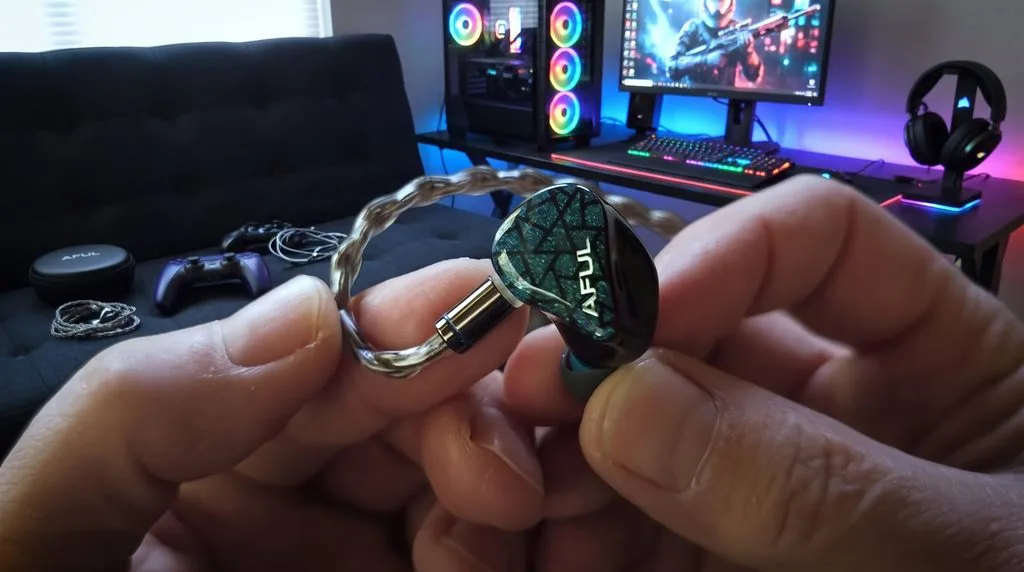
The faceplate uses a bright green and blue pattern that changes appearance depending on the lighting. Under some lights it looks greener, while under others it leans more toward blue. I like that effect because it gives the shell some visual depth, although the pattern itself is not my favorite AFUL design.
The nozzle is relatively narrow and extends a fair distance from the shell. It does not have a pronounced lip to lock the ear tip in place. I did not have problems with the tip falling off when using the SoftEars tip, but listeners who rely on a strong nozzle ridge should pay attention to this detail. The exposed nozzle openings may also require a little more care around earwax and debris.
Fit & Long-Term Comfort
The shell is on the medium-to-large side, but its shape worked very well for me. Once I found the right ear tip, the Performer 5+2 stayed securely in place and created a stable seal. The contours sit behind the ear folds naturally, and I experienced no meaningful discomfort during extended listening.
It was comfortable enough that I even slept while wearing it, and it remained in place overnight. That is not a guarantee that every listener will get the same result, especially because the shell is not small. The nozzle angle and the distance between the nozzle and rear section can make the IEM feel slightly long from front to back for some ears.
Included Cable
The cable is soft and flexible, with a pleasant drape and minimal tendency to tangle. It includes a small Y-split, a chin cinch that stays in place, pre-formed ear hooks, and standard two-pin connectors.
The softer braid is comfortable to use, although it can show some unevenness or loose-looking sections after being wrapped. That is mostly cosmetic. The ear hooks are also slightly larger and straighter than I prefer, but they did not create a practical fit problem.
Accessories & Unboxing
The accessory package is useful rather than luxurious. AFUL includes three groups of silicone ear tips, presented neatly in a punched foam insert, plus a compact semi-hard puck-style carrying case.
The case is one of my favorite parts of the package. It is small enough to fit into a pocket, offers reasonable protection, and closes securely. The overall unboxing experience is fairly basic for the price, but the accessories cover the essentials.
AFUL Performer 5+2 Sound Quality
The overall AFUL Performer 5+2 sound quality sits between neutral and V-shaped. It has a clean midrange, a noticeable bass lift, and some extra lower-treble energy. I would describe it as a mild V-shaped tuning rather than an extreme bass or treble-focused IEM.
The result is an exciting sound that remains reasonably balanced. It does not push every frequency band forward at once, and it avoids the thick, congested midrange that often comes with heavily boosted bass.
Bass: Sub-Bass Rumble vs Mid-Bass Punch
The Performer 5+2 has more bass than neutral, with most of the emphasis concentrated below roughly 200 to 300 Hz. Sub-bass reaches low enough to provide physical rumble, while the mid-bass gives drums and bass guitar a firm, punchy foundation.
The extra dynamic driver seems to contribute to the sense of physicality. Bass notes do not merely appear as additional volume. They have a physical impact that gives electronic music and kick drums more presence. The attack is especially noticeable. Notes start quickly and stop cleanly, which keeps the bass from becoming slow or blurred.
Texture is good, although the IEM prioritizes impact and immediacy over a soft, relaxed bass character. There is enough lower-midrange warmth to give male vocals and instruments some body, but I did not hear obvious bass bleed covering the midrange.
Compared with the original Performer 5, the 5+2 sounds more aggressive and responsive. The safest description is not simply “more bass.” Some comparisons suggest that it may have slightly less overall bass quantity but tighter control, while other listening impressions make it sound more forceful because of its sharper attack and stronger contrast with the midrange. Either way, the main improvement is the sense of speed, definition, and physical impact.
Midrange: Male & Female Vocal Clarity
The midrange is clean and relatively open. Male vocals benefit from the slight warmth in the lower mids, which gives voices enough body without making them thick. Female vocals remain clear and forward, with the upper-midrange and lower-treble tuning adding presence and definition.
The Performer 5+2 is not a distant or shy vocal IEM. Vocals sit clearly in the mix, but they are not pushed so far forward that instruments lose their space. The tuning around the vocal region gives singers a direct, personal quality.
Instrument separation is another strength. Guitars, keyboards, strings, and vocals tend to occupy distinct positions instead of blending into one dense block. I did not notice strange tonal peaks that made instruments sound obviously unnatural.
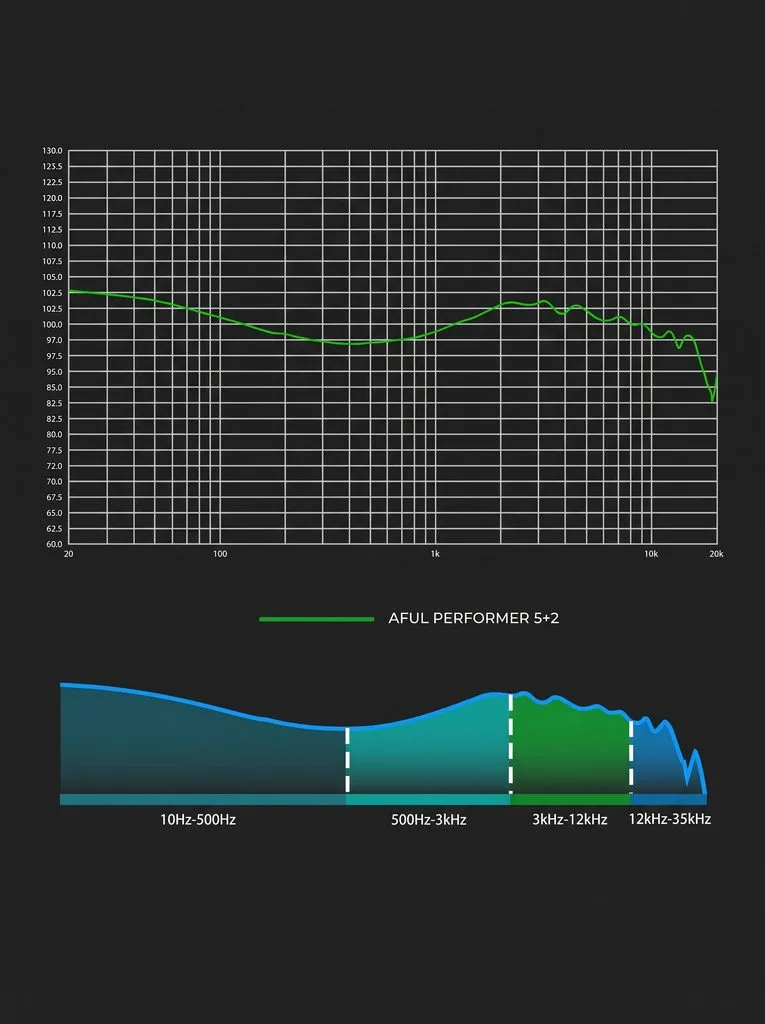
The original Performer 5 has a smoother and slightly more relaxed midrange presentation. The 5+2 adds more bite around the upper mids and lower treble, so it sounds more energetic. That extra energy can improve clarity, but it also makes the 5+2 less universally safe.
Treble: Sparkle, Sibilance, & Harshness
Treble is where the Performer 5+2 shows the clearest trade-off. It has good upper-treble extension, audible sparkle, and a sense of air around instruments. Cymbals and percussion do not sound closed-in, and the extra treble energy helps the presentation feel lively.
I did not experience obvious sibilance or a consistently harsh response. The tuning remains controlled enough for long listening. However, the treble has a noticeable texture that can sound slightly gritty or plasticky with cymbals, hi-hats, brushes, and other high-frequency percussion.
This was less obvious during casual listening and more apparent when I compared it with smoother IEMs such as the DUNU Da Vinci, Juzear Butterfly 61T, and Thieaudio Oracle MKIII. Those models present some treble instruments more naturally. The 5+2 instead emphasizes attack and edge.
Some listeners will prefer that character because it makes guitars, percussion, and vocal articulation feel more immediate. Others may hear it as a slight coloration. I would not call the AFUL Performer 5+2 a harsh IEM, but treble-sensitive buyers should consider this part of the tuning before purchasing.
Soundstage & Directional Imaging
The soundstage is above average for this price range. Width is good, and the presentation gives instruments enough room to breathe. The clean midrange and controlled bass also help prevent the stage from collapsing during busier passages.
Imaging is one of the Performer 5+2’s strongest technical qualities. Instruments have clear positions from left to right, and the IEM handles separation and layering confidently. It is easier to follow individual parts in a dense arrangement than it is with the warmer and denser AFUL Explorer.
I would not describe the stage as exceptionally deep or unusually three-dimensional. Its strength is clarity and lateral organization. The Thieaudio Oracle MKIII gives a slightly bigger and deeper impression, with a softer and more diffuse presentation. The Performer 5+2 sounds more incisive and direct.
Technical Performance
Detail retrieval is very good for the price. The Performer 5+2 exposes small vocal textures, percussion details, and changes in instrument attack without relying on an excessively bright tuning.
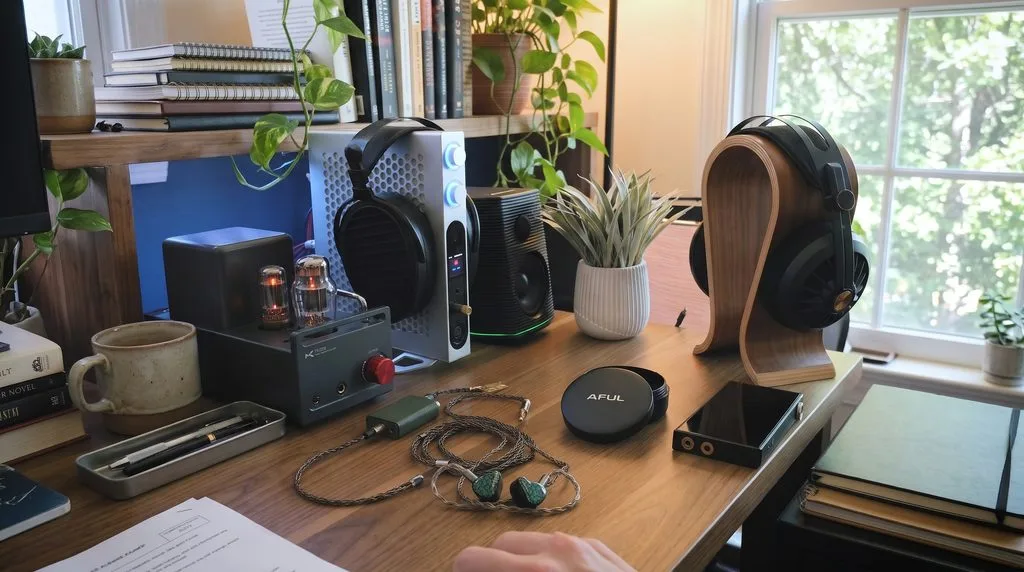
Transient attack is particularly strong. Bass hits have a clear start, guitar plucks have definition, and percussion has enough edge to remain distinct. Dynamics are also convincing, especially when a track moves between quiet passages and heavier low-end sections.
In technical terms, I place it around the level of the Juzear Butterfly 61T and possibly slightly ahead in staging and imaging. It does not quite reach the DUNU Da Vinci’s combination of technical ability and natural, thick presentation, but it is a highly capable performer around the $200 to $250 range.
Music Listening Experience
The Performer 5+2 works well as an all-rounder because its tuning gives different parts of the frequency range room to contribute. Male vocals have body, female vocals have presence, and bass-heavy music has the physical impact needed to feel engaging.
Electronic music benefits from the sub-bass extension and fast attack. Bass drops have weight, but they do not drown out the synths or vocal lines above them. Rock and pop also suit the IEM because guitars, drums, and vocal articulation gain extra edge.
Acoustic instruments sound clear and reasonably natural, although high-frequency percussion can reveal the slight plasticky treble character. The IEM is especially enjoyable when I want a more active and energetic presentation rather than a soft background listen.
On complex arrangements, separation is a clear advantage. I can follow multiple instruments without the presentation becoming congested. The mild V-shaped balance gives the music a sense of contrast, while the clean center keeps vocals understandable.
Gaming Suitability (CS2, Valorant & Apex Legends)
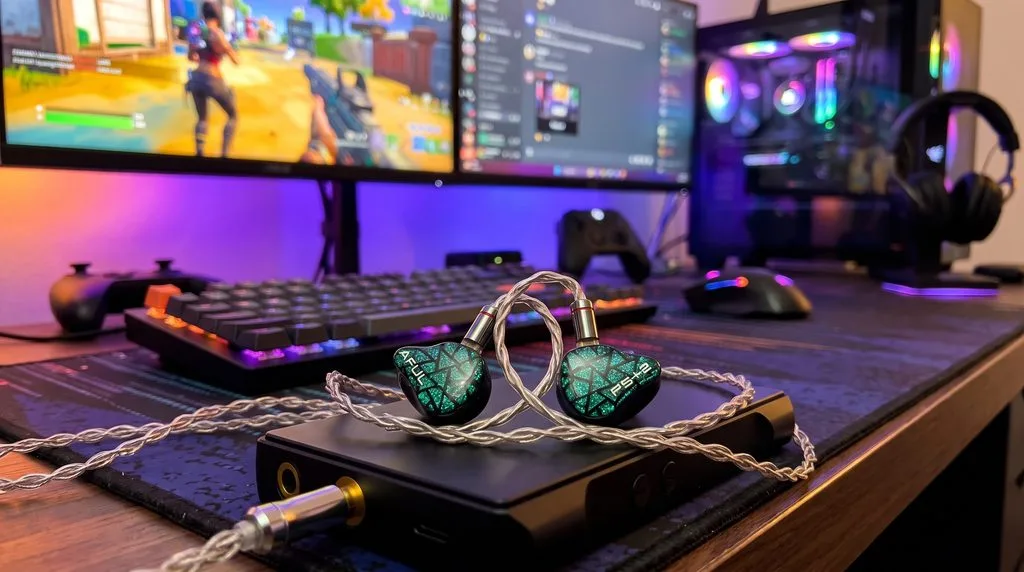
I evaluated the Performer 5+2’s imaging and separation during music listening, but I did not run dedicated CS2, Valorant, or Apex Legends sessions for this review.
The Performer 5+2’s imaging, separation, and left-to-right positioning suggest that it could be useful for gaming, but music imaging alone does not establish footstep accuracy, distance perception, or performance during explosions and busy effects. Buyers should treat gaming as a potential use rather than a verified strength from this review.
AFUL Performer 5+2 Comparisons
AFUL Performer 5+2 vs Original Performer 5
The two IEMs share a similar foundation. Both offer a clean midrange, boosted bass, clear vocals, and a broadly versatile tuning. The Performer 5+2 is not a completely different product.
The main change is presentation. The 5+2 has more physical bass impact, faster attack, stronger upper-mid and treble bite, and better perceived technical performance. The original Performer 5 sounds smoother, slightly thinner, and more relaxed. Its treble is also more uneven to my ears, while the 5+2 is smoother in some areas but more textured in others.
At approximately $20 more than the original Performer 5, the 5+2 is the better purchase for a new buyer who wants the more engaging model. Existing owners should upgrade only if they specifically want stronger bass definition, additional treble energy, and improved separation. If the smoother sound of the original is the reason you like it, the upgrade may not feel necessary.
AFUL Performer 5+2 vs AFUL Explorer
The AFUL Explorer is warmer, darker, and denser. It has a fuller mid-bass and a more relaxed treble character, making it easier to enjoy for long periods if you prefer a rich and forgiving sound.
The Performer 5+2 is cleaner, brighter, and more spacious. It separates instruments more clearly and gives vocals and percussion more edge. The Explorer sounds more compact, while the 5+2 gives the music greater room and sharper positioning.
I personally find the Explorer’s darker and more distinctive tuning appealing, especially for relaxed listening. The Performer 5+2 is the better choice for listeners who want more technical clarity, stronger imaging, and a livelier response. Explorer owners do not have a compelling reason to upgrade unless they want to move away from warmth and toward a brighter, more spacious presentation.
AFUL Performer 5+2 vs Juzear Butterfly 61T
The Butterfly 61T has a smoother and more relaxed upper-midrange and treble presentation. The Performer 5+2 is more forward, energetic, and incisive. Both deliver strong technical performance, with the AFUL possibly offering a slight advantage in imaging and staging.
I slightly prefer the Butterfly 61T’s tuning for relaxed listening because its treble is easier to accept. The Performer 5+2 is more exciting and has a stronger sense of attack. Choose the 61T if you want technical ability with a smoother balance. Choose the AFUL if you want more bite and energy.
AFUL Performer 5+2 vs DUNU Da Vinci
The DUNU Da Vinci has the thicker, warmer, and more natural presentation. Its bass is excellent, and its overall timbre sounds more organic than the Performer 5+2. It also remains the stronger choice for listeners who value musical richness above everything else.
The Performer 5+2 responds with a cleaner, more incisive sound and very strong technical performance at a lower price. It does not quite match the Da Vinci’s natural presentation, but it offers excellent separation and a more immediate sound.
The Da Vinci is preferable if you want warmth, body, and natural timbre. The Performer 5+2 is the more sensible choice if you want to spend less while still getting strong resolution, imaging, and bass control.
AFUL Performer 5+2 vs Thieaudio Oracle MKIII
The Oracle MKIII is considerably more expensive, but its comparison is useful because it shares a broadly clean and energetic direction. The AFUL sounds sharper and more incisive, while the Oracle has a softer, smoother, and slightly more diffuse character.
The Oracle gives a somewhat larger and deeper impression, particularly in the way it presents space. The Performer 5+2 has stronger attack and a more immediate response. Its treble texture is also more noticeable.
The Oracle is worth considering for listeners who want smoother refinement and are willing to pay significantly more. The Performer 5+2 offers much of the same clean, spacious idea at a fraction of the price, provided you can accept its less polished treble timbre.
My direct comparisons focus on IEMs around the Performer 5+2’s price range, so I am not presenting $20 to $50 models as direct competitors.
Is the AFUL Performer 5+2 Worth Upgrading To?
For original Performer 5 owners, the answer depends on what you want changed. The Performer 5+2 brings more punch, faster bass attack, stronger separation, and a more engaging treble response. Those are real differences, but the basic tuning philosophy remains familiar.

The upgrade makes the most sense for listeners who find the original too smooth, too restrained, or slightly lacking in technical excitement. It makes less sense for someone who already enjoys the Performer 5’s relaxed presentation and does not need additional treble energy.
Explorer owners have an even more specific decision. The Performer 5+2 is more spacious, brighter, and technically sharper, but the Explorer offers a warmer and denser sound that some listeners may prefer. Moving to the 5+2 is a change in taste, not a universal upgrade.
Final Recommendation
Who Should Buy It
The AFUL Performer 5+2 is a strong choice for listeners who want:
- Punchy, physical bass without muddy mids
- Clear and present vocals
- A lively, mildly V-shaped presentation
- Strong separation and imaging
- An IEM for varied music rather than one narrow genre
- A comfortable resin shell with good long-term stability
Who Should Skip It
You may prefer another model if you:
- Are highly sensitive to treble texture
- Want a very smooth and relaxed presentation
- Prefer thick, warm, highly natural timbre
- Already own the Performer 5 and want a dramatic change
- Prefer a smaller shell or a nozzle with a pronounced ear-tip lip
I rate the AFUL Performer 5+2 at 8.5 out of 10. It combines strong bass control, clear mids, lively treble, useful technical performance, and excellent fit. Its biggest limitation is the treble timbre, which can sound slightly gritty or plasticky with certain percussion. The upgrade from the original Performer 5 is worthwhile for some listeners, but not essential for everyone.
At the reviewed $239 to $240 price, the AFUL Performer 5+2 is worth considering if you want an energetic and technically capable tribrid IEM. It is not the smoothest or most natural option in the category, but it delivers a convincing balance of physical bass, clean vocals, space, and detail.
Frequently Asked Questions
Clear answers to common questions about performance, pairing, and value.




[…] you are comparing AFUL’s midrange IEMs, read my detailed AFUL Performer 5+2 review for its sound, comfort, and upgrade […]