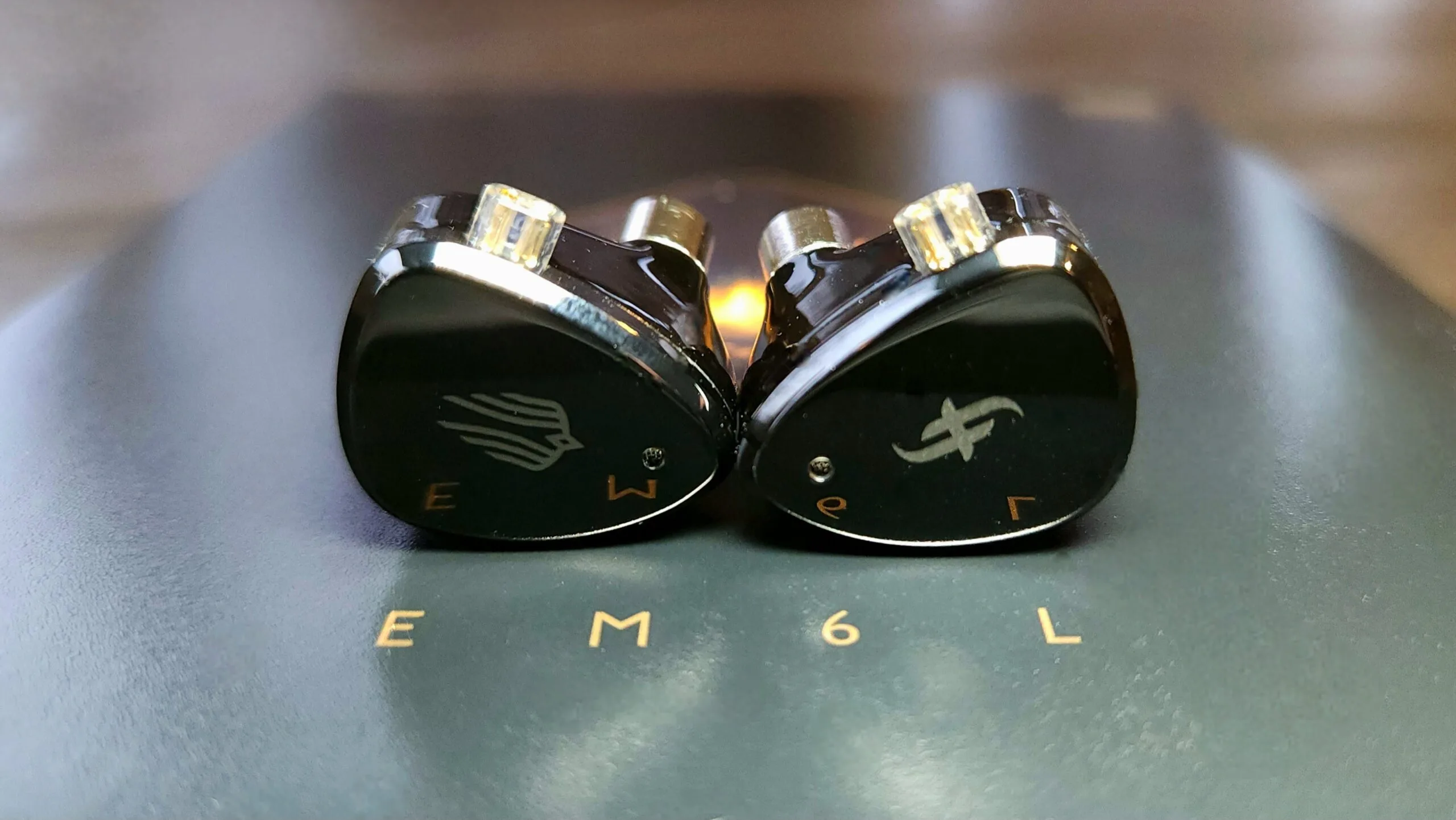

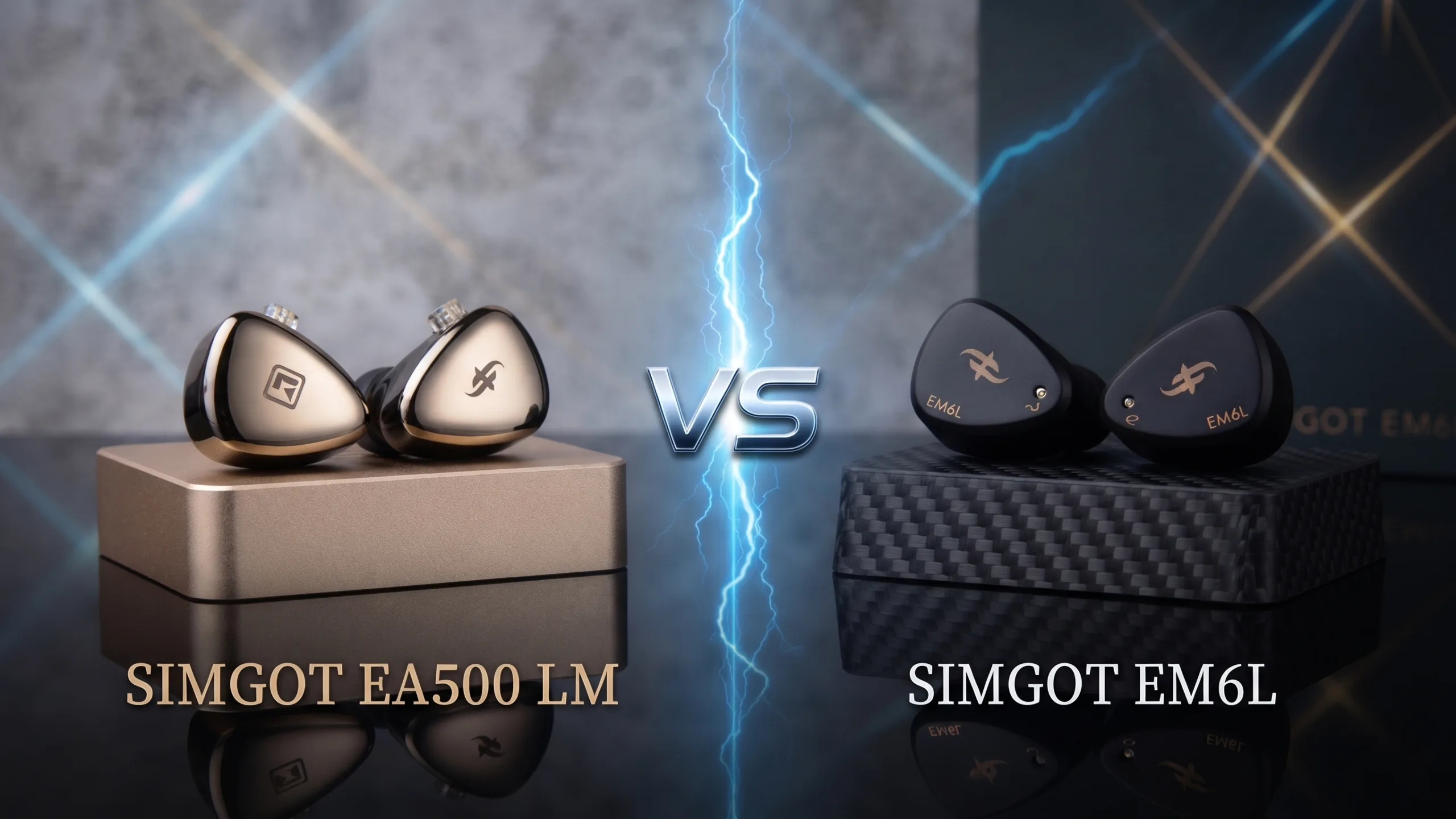
If you are stuck deciding between the Simgot EM6L and the Simgot EA500 LM, I completely get it. I spent a lot of time testing both of these in-ear monitors back-to-back, and while they have both taken the audio community by storm, they offer entirely different listening experiences.
I lived with both sets, put them through my daily music rotation, and tested them extensively in games. Here is my honest, firsthand breakdown to help you figure out which pair deserves a spot in your collection.
The best overall and competitive gaming: Simgot EM6L
SIMGOT EM6L
Balanced sound • Natural vocals • Precise pin-point imaging
The best for warmth and customizable sound: Simgot EA500 LM
Simgot EA500 LM
Robust metal build • Punchy bass • Physical tuning rings included
Simgot EM6L vs EA500 LM Specifications
When I looked at what I was getting under the hood for my money, here is how the spec sheets broke down:
- Simgot EM6L: I found it uses a hybrid driver configuration, pairing one dynamic driver with four balanced armatures. It costs around $110, leans toward a neutral-with-bass-boost tuning, and comes in a lightweight 3D-printed resin chassis.
- Simgot EA500 LM: This one packs a single dynamic driver utilizing an upgraded lithium-magnesium diaphragm. Priced around $80 to $90, it features a much heavier polished metal build and includes physical tuning rings in the box.
| Spec | Simgot EM6L | Simgot EA500 LM |
|---|---|---|
| Driver | 1 dynamic + 4 balanced armature (hybrid) | 1 dynamic (lithium-magnesium diaphragm) |
| Price | ~$110 | ~$80–90 |
| Build | 3D-printed resin chassis | Polished metal, tuning rings |
| Weight/Fit | Lighter, more secure long-term | Heavier, can slip during long sessions |
| Sound signature | Neutral with controlled bass boost | Warmer, punchier |
| Best for | Vocals, gaming, technical detail | Warm-signature lovers, tinkering with tuning |
| Cable | Fixed, no mic, feels stiff | Standard, no mic |
| ANC | None | None |
How I Tested These
I didn’t just glance at frequency response graphs or rely on quick unboxings. I wanted to put both sets through rigorous, real-world testing.
I plugged them into my setup and ran them through a massive variety of tracks, ranging from heavy electronic bass and hip-hop to acoustic guitar sessions, orchestral pieces, and chaotic, busy mixes. I also ran extensive gaming sessions. Throughout my testing, I paid close attention to sub-bass depth, vocal presence in the upper midrange, and treble extension to see if anything became fatiguing over long hours. I also evaluated physical comfort, cable flexibility, and how well each set handled complex instrument separation.
Build Quality, Fit, & Accessories
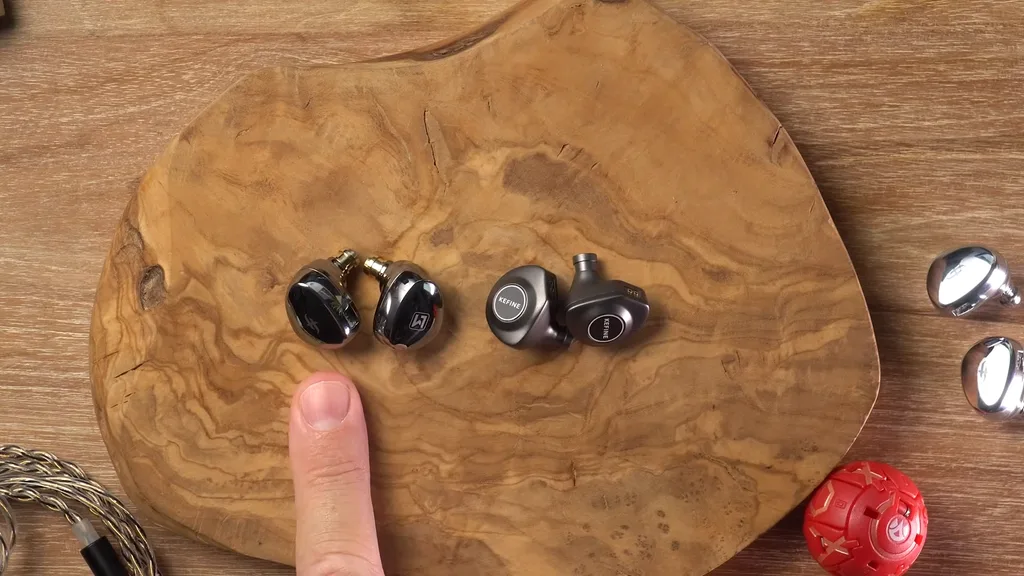
When I unboxed both pairs from their practical carrying cases, the physical differences hit me immediately.
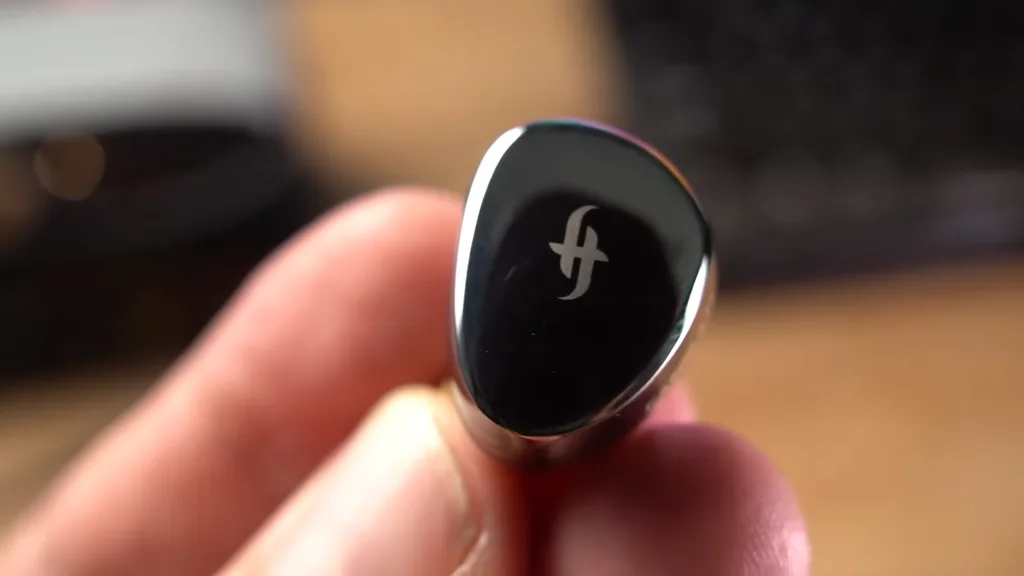
The EA500 LM features a metal body that feels rugged and durable, but that metal shell makes it substantially heavier. While I appreciate a tough build, that extra weight caused the earpieces to occasionally slip or pop out of my ears during long listening sessions. The stock cable is okay, but nothing special.
On the flip side, the EM6L uses a lighter resin chassis, which made a big difference in comfort during extended use. My only real annoyance with the EM6L is its stock cable—it feels a bit stiff and janky, and I’d have preferred a standard two-pin connector for easier aftermarket swaps. But for sheer ear comfort, the EM6L wins because I could wear them for hours without adjusting them.
Sound Quality Comparison
Bass Performance
If you want massive, overpowering bass, neither of these is a true basshead set. However, I noticed they handle the low end quite differently.
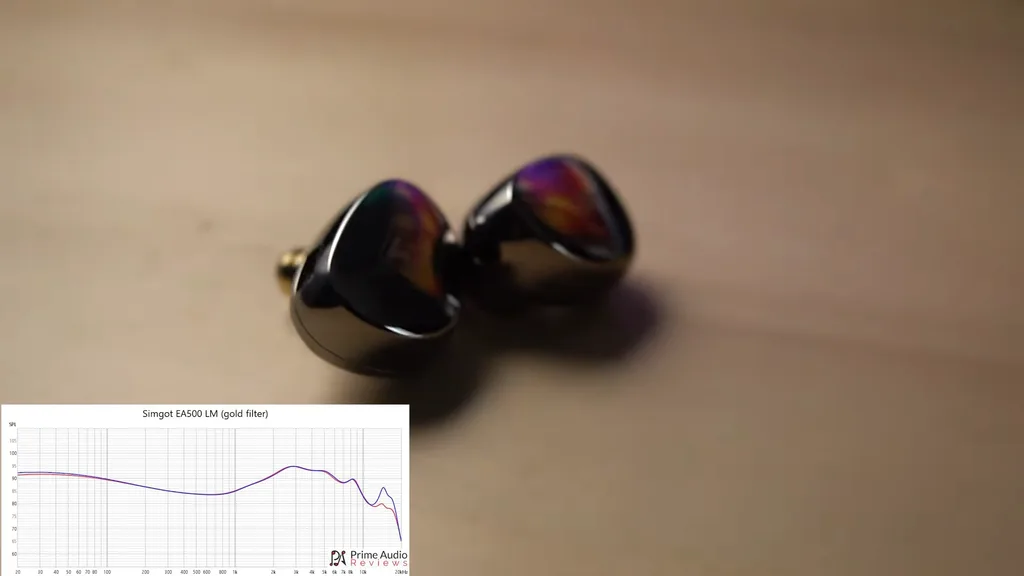
The EA500 LM gives me a warmer, punchier presentation, but on really busy tracks, it started to feel congested. The EM6L keeps its bass much better controlled; the sub-bass and mid-bass blend seamlessly into the mix without ever muddying up the rest of the song. It is clean, accurate, and punchy when called upon, though it lacks that raw physical slam if I am craving heavy electronic sub-bass drops.
Midrange and Vocals
This is the area where I noticed the EM6L truly shines. Vocals—both male and female—sound natural, clear, and have a wonderful light, airy presentation. They sit right where they should in the soundstage without ever feeling pushed too far forward or shouty.
When I switched back to the EA500 LM, I noticed vocals could sometimes lean a bit too warm, occasionally clouding the experience. If you listen to a lot of vocal-heavy music, acoustic strings, or pianos as I do, the EM6L delivers a much more articulate, natural midrange.
Treble and Technicalities
The EM6L’s treble is very smooth while still offering fantastic extension. I got just the right amount of air and crispness for breathy vocals or cymbals without ever stepping into harsh or fatiguing territory.
In terms of technical performance, layering, and separation, the EM6L easily pulls ahead of the EA500 LM in my experience. Cheaper or poorly tuned dynamic drivers tend to get confused on fast, complex tracks, and the EA500 LM occasionally stumbled there for me. The EM6L handled complex instrument separation with much better clarity and a wider sense of space.
Gaming Performance
Since I game just as much as I listen to music, I spent a lot of time testing how these handle competitive shooters. If you want to explore more audio choices like these, feel free to check out my best IEM for gaming guide:
- Simgot EM6L: I found this to be an exceptional pick for gaming. Thanks to its wide soundstage and stellar imaging and separation, I could easily pinpoint footsteps, directional gunfire, and spatial audio cues in matches. The smoother treble also meant zero ear fatigue during long gaming marathons.
- Simgot EA500 LM: While it delivers high energy, I found its aggressive treble and punchier presentation made intense gunfights feel a bit overwhelming or “spicy” when multiple weapons fired at once. It’s fun for casual immersion, but for precise tactical positioning, I preferred the EM6L’s cleaner audio handling.
ANC & Mic Test
If you are wondering about active noise cancellation or built-in microphones during my tests: neither IEM features active noise cancellation (ANC), as they are wired audiophile monitors that rely entirely on passive acoustic isolation from a proper seal. Additionally, the stock cables included with both the EM6L and EA500 LM don’t have an inline microphone, so I had to swap in a separate mic cable whenever I wanted to jump on voice calls or in-game chat.
Which One Should You Buy?
Both pairs offer incredible value for their price points, but in my experience, they cater to very different preferences:
- Go with the Simgot EM6L if: You want a balanced, neutral sound signature, superior vocal clarity, smooth treble, and top-tier gaming performance with precise imaging. For around $110, it punches way above its weight class in technical performance and spatial awareness. (You can also read my full Simgot EM6L review for more details).
- Go with the Simgot EA500 LM if you prefer a warmer sonic presentation, a rugged all-metal build, and want to experiment with physical tuning rings to tweak your sound—all while saving about $20 to $30.
Overall, if I have to reach into my bag and grab just one of these from my desk, the EM6L takes the crown for its refined tuning, all-day comfort, and reliability.