
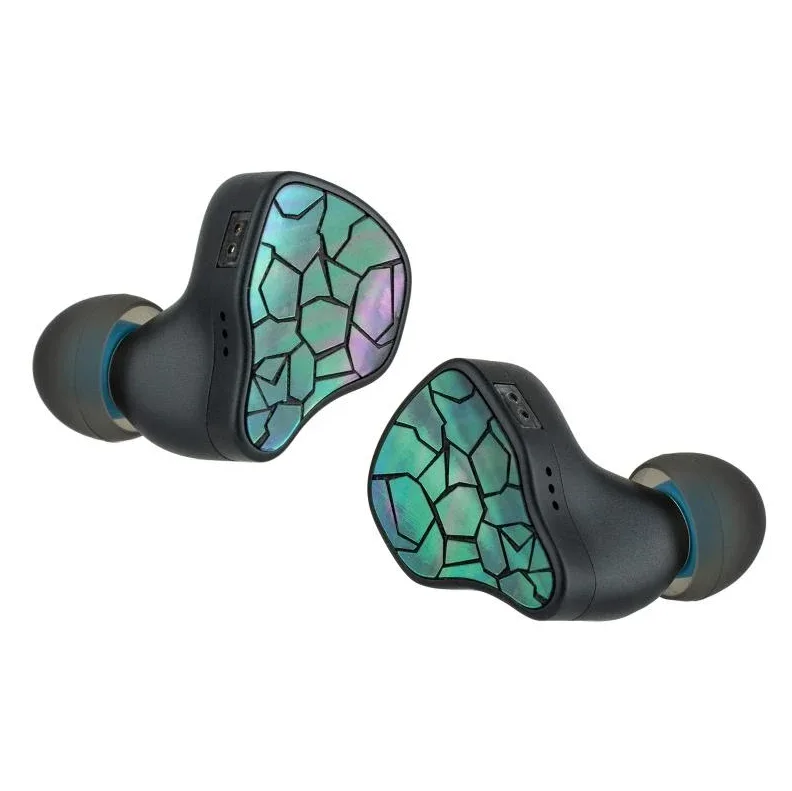
I’ve been sitting on this review for a while because I genuinely wanted to give the ThieAudio Hype 4 MKII a fair shake before writing anything down. The original Hype 4 already had a reputation as one of the best hybrid IEMs under $500, so when ThieAudio announced a Mark II at the same $399 price point, I wondered whether it was just a cosmetic refresh or a real upgrade worth caring about.
Spoiler before I get into the details: this has replaced my daily driver, and I did not expect that to happen.
How I Tested These
I want to be transparent about how I actually formed these opinions, because this matters more than just throwing adjectives around.
- I used these daily for three weeks as my primary IEM
- Sources included a phone with a USB-C dongle DAC, a dedicated portable DAC/amp, and a balanced 4.4mm setup for part of the testing.
- Genres tested included pop, hip-hop, indie acoustic, rock, EDM, and some K-pop and J-pop tracks.
- Listening volumes stayed mostly in the moderate range, since these aren’t the kind of IEM you want to crank up because of the treble energy.
- I directly compared these against the original Hype 4 and one competing set in the same price bracket to get a sense of relative performance.
This process shaped every opinion below, not a quick 20-minute listen.
What’s in the Box
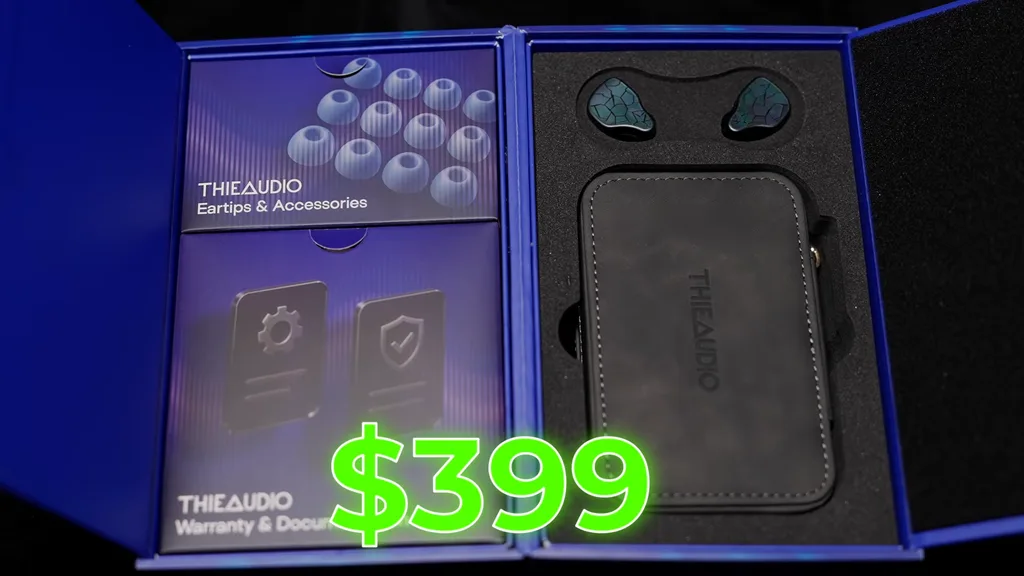
When the package arrived, I’ll admit the unboxing itself felt more premium than I expected for this price range. Inside you get:
- The Hype 4 MKII earpieces
- A modular cable with both 3.5mm and 4.4mm terminations
- Three pairs of silicone ear tips
- Three pairs of foam ear tips
- A carrying case big enough to fit everything without cramming
I’ve reviewed enough gear to know a cheap case or flimsy cable can ruin the experience of an otherwise good set, so it was nice to see ThieAudio put thought into the accessories here instead of treating them as an afterthought.
Design & Build Quality
This is where the MKII immediately separates itself from the original. The first-generation Hype 4 used a resin shell that felt fragile. Mine survived fine, but I always babied it because I knew one bad drop could crack it.
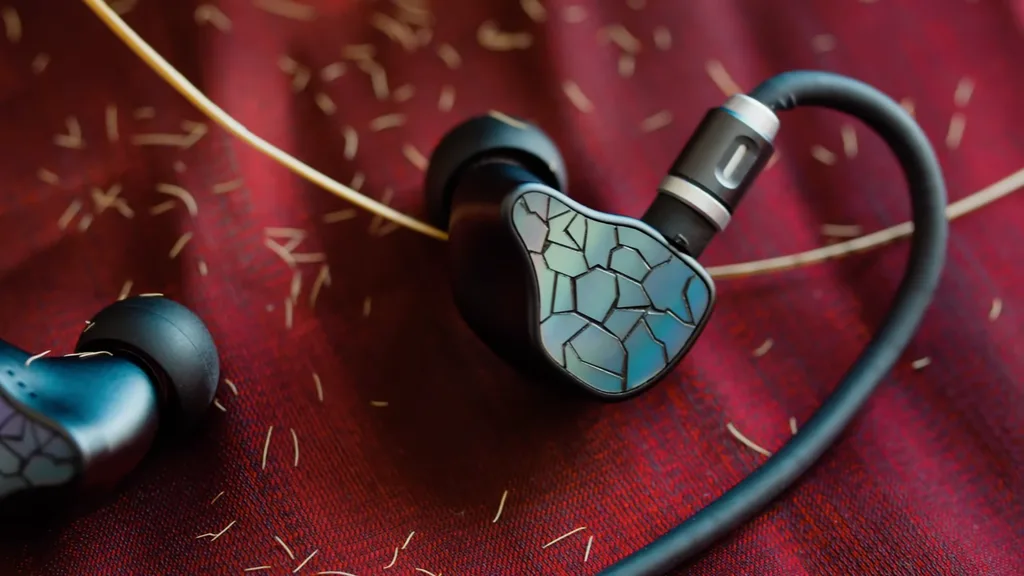
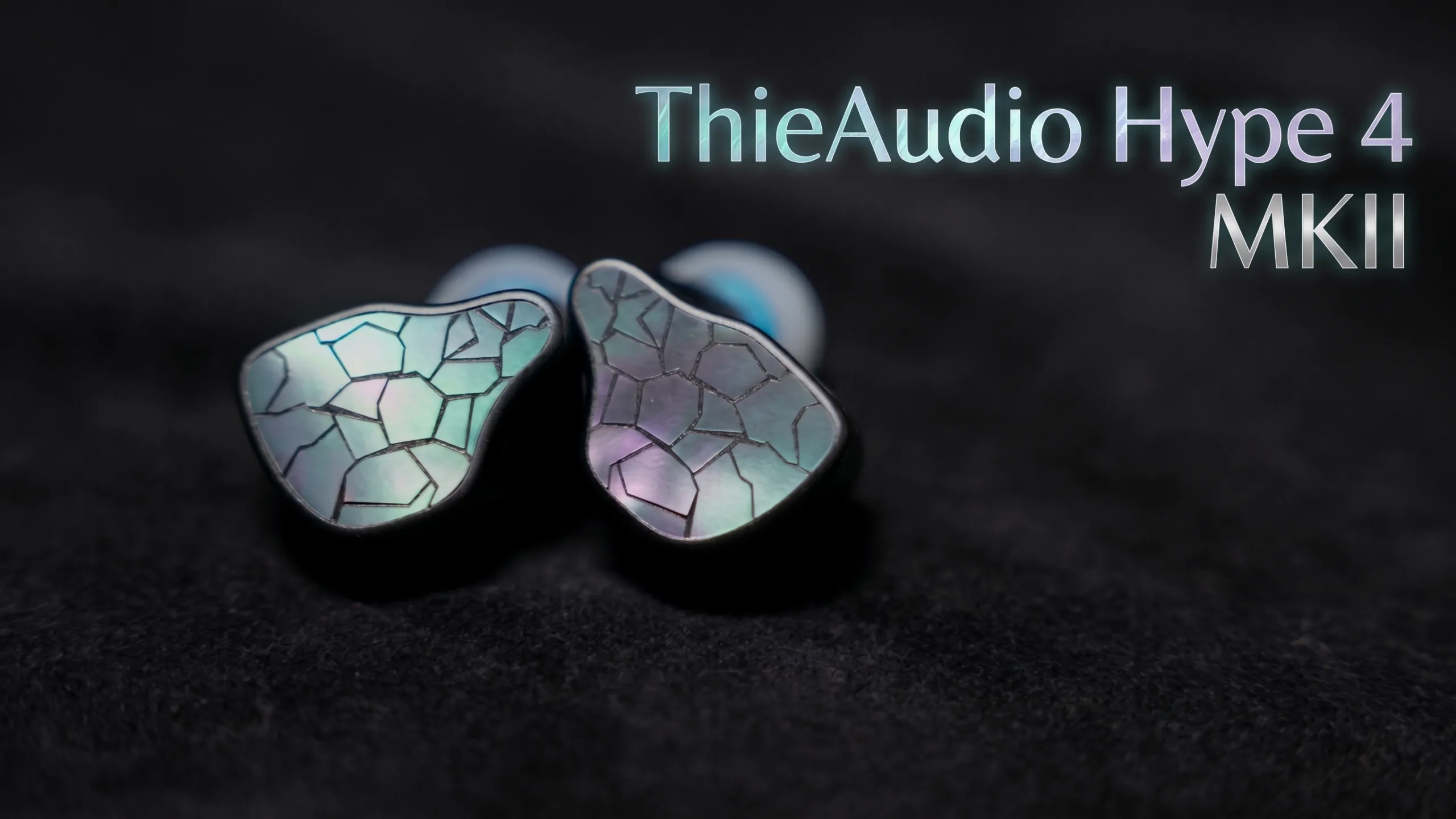
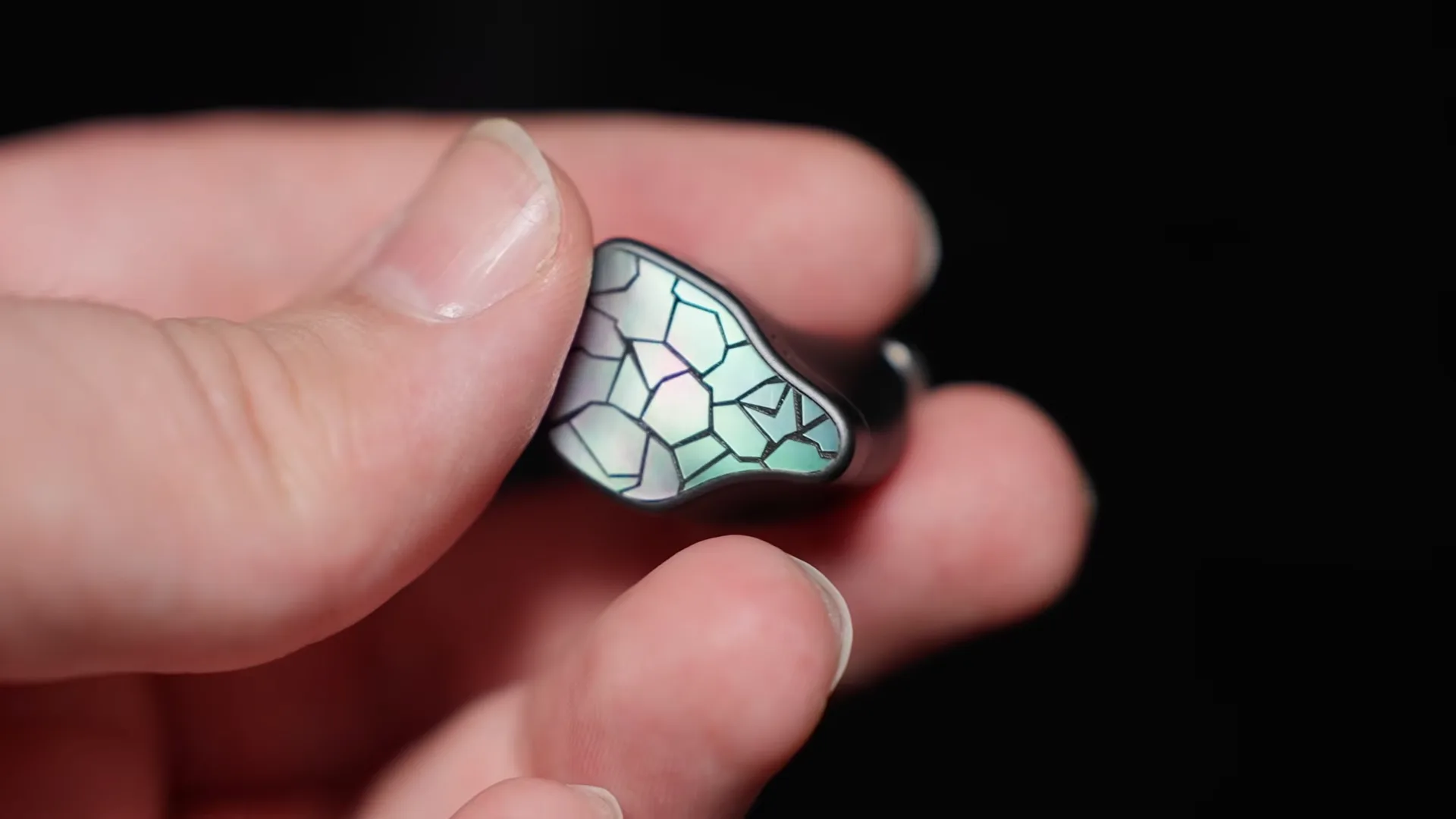
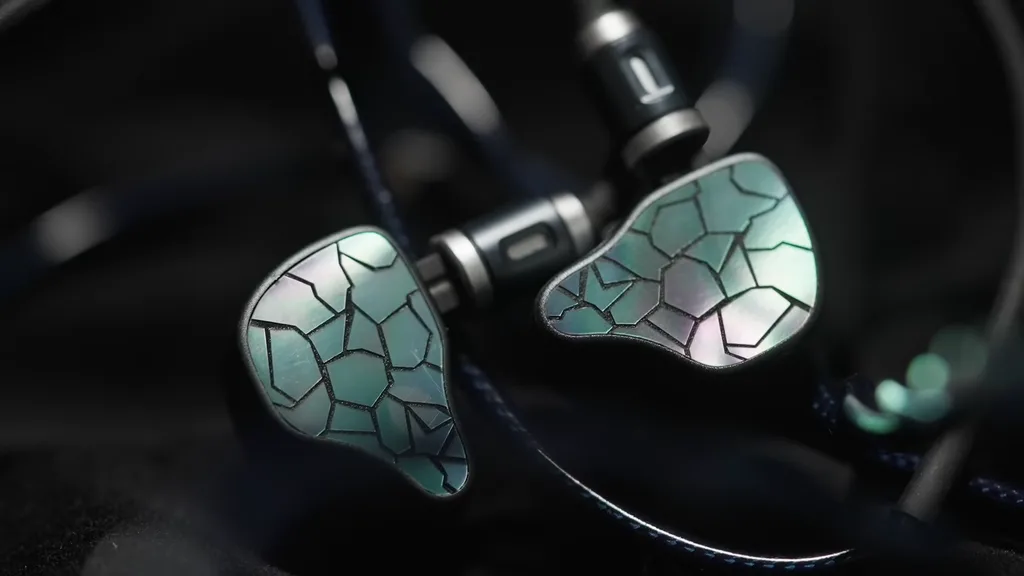
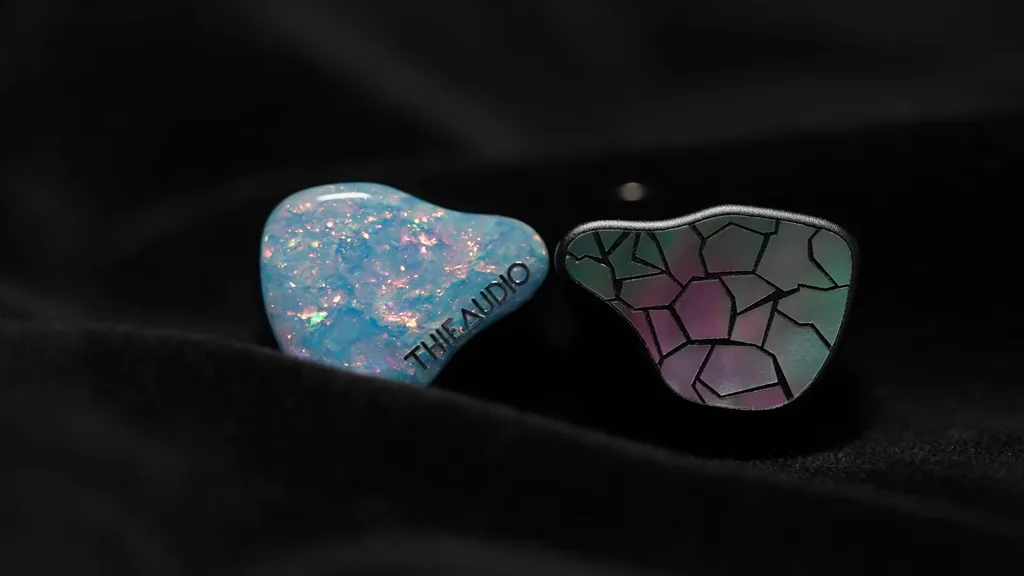
The Hype 4 MKII switches to an all-metal shell, and you can tell the moment you pick it up. It feels denser, more solid, and more like something that could survive being tossed in a bag without a case. The faceplate has this iridescent, almost glass-like finish that shifts color depending on the light, sometimes looking pale green, sometimes a soft violet. It’s a small detail, but it makes the set feel a lot more premium than its price tag suggests.
The cable upgrade is just as important. It’s now modular, meaning you can swap between 3.5mm and 4.4mm connectors depending on your source. It doesn’t tangle easily, doesn’t have that annoying memory kink, and feels genuinely durable, not just marketed as durable.
Fit & Comfort
I have fairly average-sized ears, and I wore these for stretches of 6 to 8 hours on a few occasions without any discomfort. The shell size is smaller than most metal-bodied IEMs I’ve tried, which honestly surprised me since metal builds are usually bulkier.
The nozzle is on the shorter side, so if you like a deep insertion fit, you should size up your ear tips. Once I found the right tip size, the seal was excellent, and passive isolation was strong enough to block out most background noise on a commute, though obviously this isn’t the same as active noise cancellation since these are wired IEMs, not ANC headphones.
Technical Specifications
The Hype 4 MKII uses a 2-dynamic-driver plus 4-balanced-armature hybrid configuration, the same layout as the original, but with an updated second-generation dynamic driver.
If you’re specifically searching for ThieAudio Hype 4 MKII impedance sensitivity numbers, here’s what matters in practice: they are easy to drive off a phone or dongle DAC, though they scale noticeably better with a slightly more powerful source, especially on the 4.4mm balanced connection.
Sound Quality
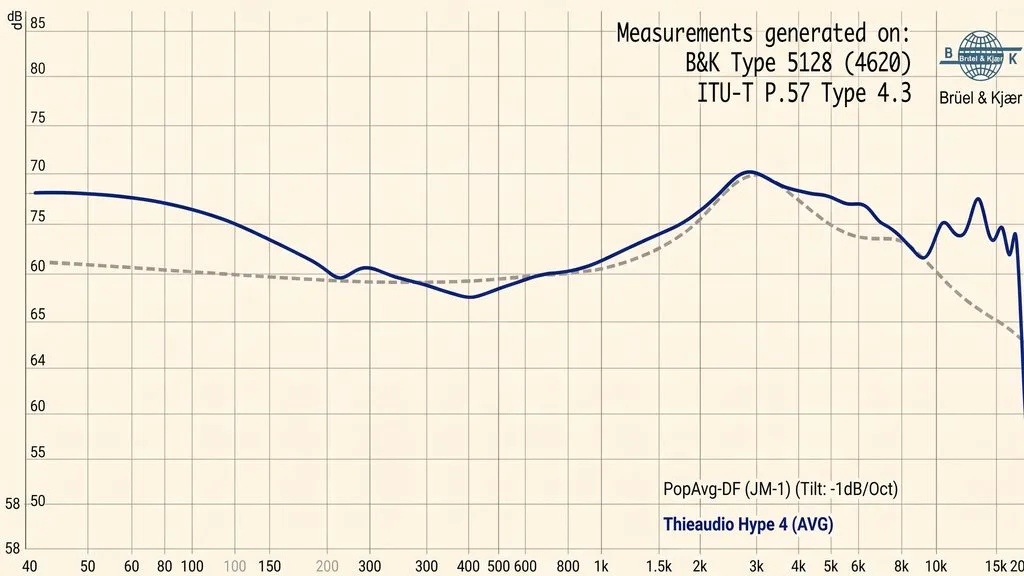
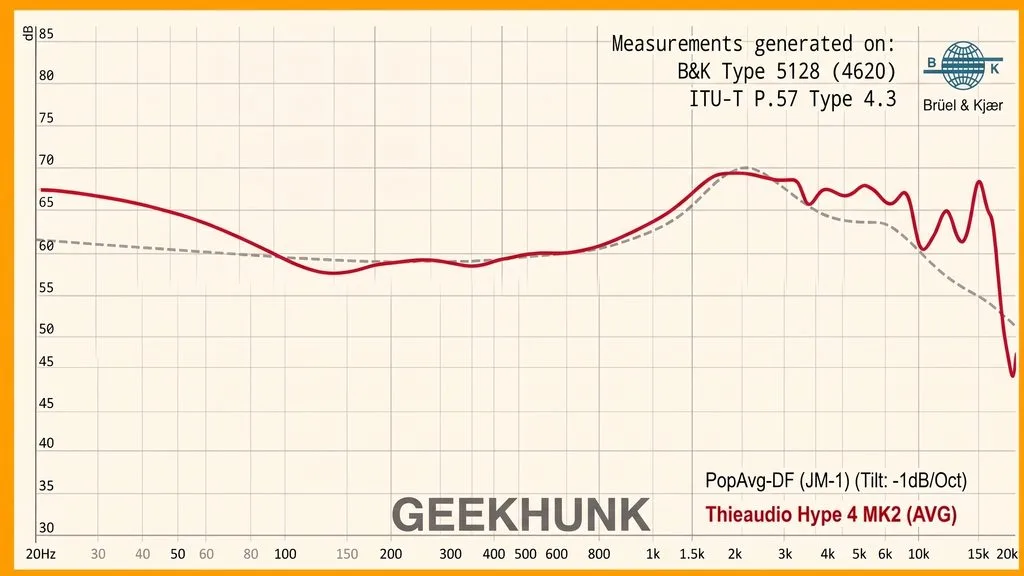
The Hype 4 MKII keeps the same general sound signature philosophy as the original: a brighter, slightly V-shaped to U-shaped tuning. Still, the execution feels noticeably more refined this time around.
Bass Performance
The bass here is cleaner than the original Hype 4. There’s less mid-bass bloom, which I actually appreciated because it lets the midrange and treble details come through more clearly. On tracks with a strong sub-bass presence, the rumble is there and controlled rather than sloppy. If you’re a bass head looking for heavy, room-filling low end, this is not that set. It’s a more precise, reference-leaning low end rather than an overwhelming one.
Midrange
This is genuinely one of the standout aspects for me. Vocals sound natural, not artificially boosted or thin. Male vocals have proper body and weight, while female vocals sound airy without becoming shrill. Whether I was listening to acoustic tracks or vocal-heavy pop, the midrange never felt like an afterthought squeezed between bass and treble.
Treble
The treble is bright, no question about it, and it is the most polarizing part of this set. Detail retrieval is excellent, cymbals have that extended, airy decay, and micro details in busy tracks come through clearly. But if you’re sensitive to treble or you mostly listen to already bright, energetic genres like certain K-pop or EDM tracks, this can occasionally edge toward fatiguing at higher volumes. I noticed this myself on a few brighter mixed tracks where I had to pull the volume down slightly to keep listening comfortably.
Mic Test
The standard cable that comes with the Hype 4 MKII does not include an inline microphone. This is purely an audiophile listening set, not something designed for calls or gaming with voice chat out of the box. If you need a mic, you’ll need a third-party cable, since ThieAudio doesn’t include that option in the standard package.
Gaming Performance
Since many readers want to know how an IEM handles competitive gaming, I spent a good chunk of my testing time using the Hype 4 MKII across a few different titles to see how it holds up beyond music.
Valorant
This is where the Hype 4 MKII genuinely impressed me. I A/B tested it against another well-known set in the same price range, and the imaging here is excellent. Footsteps, especially higher-pitched ones like someone shuffling through grass or tapping on metal surfaces, come through clearly and with great directional accuracy. Gunfire positioning was sharp enough that flicking toward an enemy based purely on audio cues felt natural and precise. The soundstage feels wider and deeper here, which actually works in its favor for a tactical shooter like this.
Apex Legends
Performance dropped slightly compared to Valorant, mostly because the space felt a bit more compressed in larger, chaotic fights. The 2 to 4kHz emphasis in the tuning means gunfire and certain grenades can feel a touch elevated when things get busy, and distant audio cues like slides, climbs, or zip lines were a little harder to pick out compared to more intimate-sounding competitors. Still solid overall, but not the standout performer it is in Valorant.
Call of Duty
Similar performance to Apex here. Without any bass boost enabled, gunfire can feel overpowering and occlusive in the mix. Turning on a bass boost mode if your source supports it helps balance things out considerably, and footstep tracking within buildings remained accurate throughout my testing.
Counter-Strike 2
This is where the Hype 4 MKII genuinely shines. The slightly thinned-out spatial presentation actually works perfectly for CS2’s slower, more tactical pace. Footsteps on different surfaces are positioned with excellent accuracy, gunfire cuts through cleanly without becoming shouty or fatiguing, and overall separation between different sound elements is some of the best I’ve heard at this price point for a competitive shooter.
Overall Gaming Verdict
If I had to grade it by title, I’d put it around an A minus overall. It’s an A in Counter-Strike 2, roughly on par with top competitors in Valorant, and a solid B+ in both Apex Legends and Call of Duty. If your main game is a tactical, footstep-heavy shooter, this set genuinely earns its place as a Gaming IEM and not just a music-focused one.
ThieAudio Hype 4 MKII VS
Compared to the original Hype 4, the MKII feels like a genuine upgrade rather than a side-grade. The bass is cleaner, the treble is more balanced and less likely to feel unnaturally sharp, and the midrange sounds more mature overall. If you specifically loved the original’s heavier mid-bass thump, you’ll prefer sticking with the first-generation set. But for most listeners chasing detail, clarity, and a more natural tonality, the MKII is the better pick.
Against other sets in the same price range that lean warmer and bassier, the Hype 4 MKII clearly positions itself as the more technical, treble-forward option rather than a warm, laid-back alternative.
Who Should Buy This (and Who Shouldn’t)
You’ll likely enjoy this if:
- You listen to indie, acoustic, R&B, or slower pop tracks.
- You value detail retrieval and a natural midrange over heavy bass.
- You want a premium build at this price point.
You might want to skip this if:
- You’re treble sensitive or get fatigued easily by brighter sets.
- Your library is mostly bass-heavy genres like hip-hop, EDM, or energetic K-pop.
- You specifically want an included microphone for calls.
Final Verdict
After three weeks of daily listening across different sources and genres, I rate the ThieAudio Hype 4 MKII around 4.3 out of 5. It’s not a perfect all-rounder, and if your music library leans heavily bass-focused, you may want to look elsewhere. But for anyone who values a clean, detailed, natural-sounding IEM with a genuinely premium build at $399, this is one of the more complete packages I’ve tested this year.
Frequently Asked Questions
Clear answers to common questions about performance, gaming, and value.